Populations of the Australian Saltmarsh Mosquito Aedes vigilax Vary Between Panmixia and Temporally Stable Local Genetic Structure
Thomas L. Schmidt, Nancy Endersby‐Harshman, Toby Mills, Rahul Rane, Gunjan Pandey, Chris Hardy, Leon Court, Cameron Webb, Brendan Trewin, Brett Neilan, Ary A. Hoffmann

TL;DR
This study uses genomic data to reveal how Australian saltmarsh mosquitoes vary in genetic structure across different regions, impacting pest management strategies.
Contribution
The first genomic investigation of Aedes vigilax reveals population structure and movement patterns relevant to arbovirus vector management.
Findings
Strong genetic structure exists between west and east coast Australian Aedes vigilax populations.
Newcastle shows panmixia over 60 km, while Sydney shows stable local genetic differentiation within 3 km.
Genetic structure in Sydney suggests barriers to gene flow despite no evidence of population bottlenecks.
Abstract
Pest management programmes can operate more effectively when movement patterns of target species are known. As individual insects are difficult to track, genomic data can instead be used to infer movement patterns based on pest population structure and connectivity. These data can also provide critical information about cryptic taxa relevant to management. Here we present the first genomic investigation of Aedes vigilax , the Australian saltmarsh mosquito, a major arbovirus vector across Australasia. We used a ddRAD pool‐seq approach and a draft genome assembly to investigate genetic variation in 60 Ae. vigilax pools from across Australia but with a focus on urban Newcastle and Sydney, NSW. There was strong genetic structure between samples from the west and east coasts of Australia, and additional structure that differentiated east coast populations. Within Newcastle and Sydney,…
Genes, proteins, chemicals, diseases, species, mutations and cell lines named across the full text — each resolved to its canonical identifier and authoritative record.
Click any figure to enlarge with its caption.
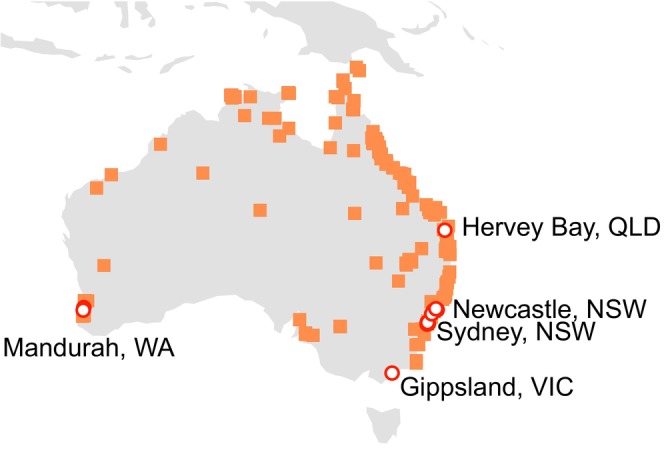 Figure 1
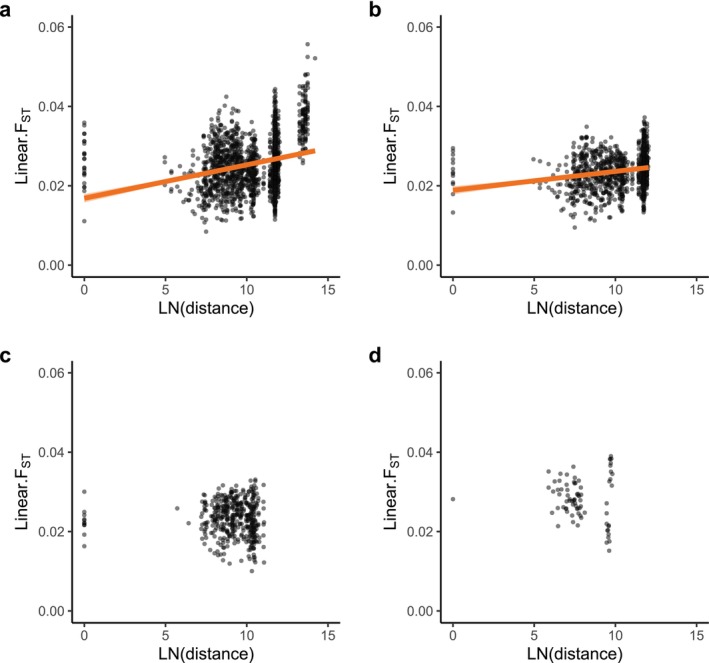 Figure 2
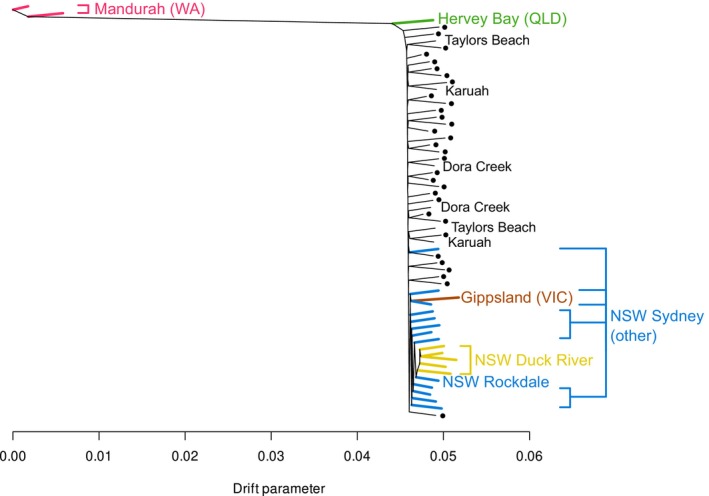 Figure 3
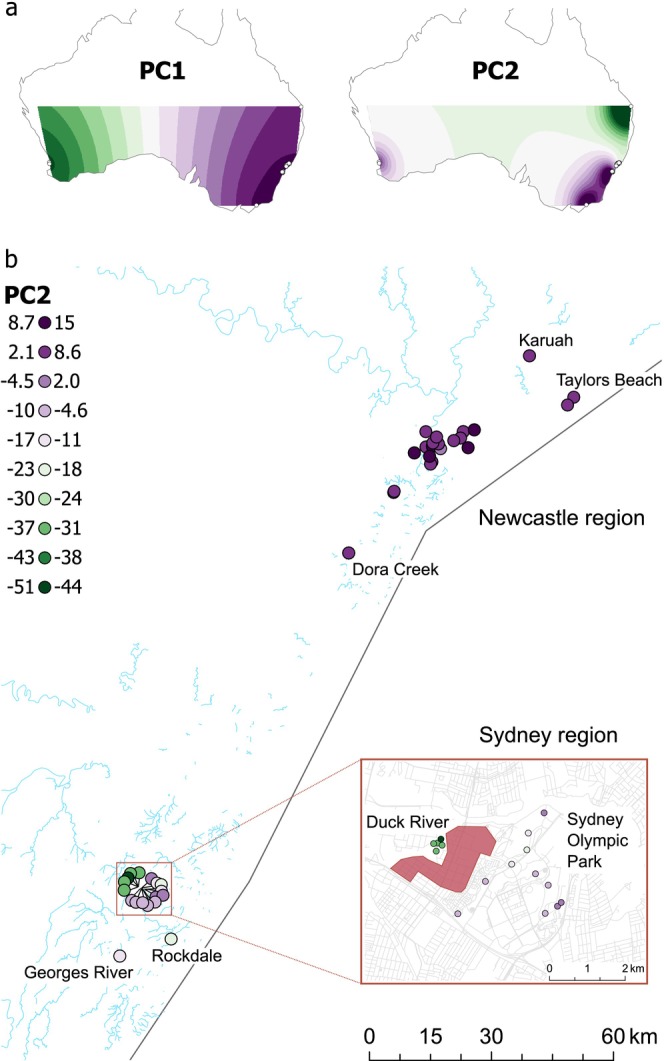 Figure 4
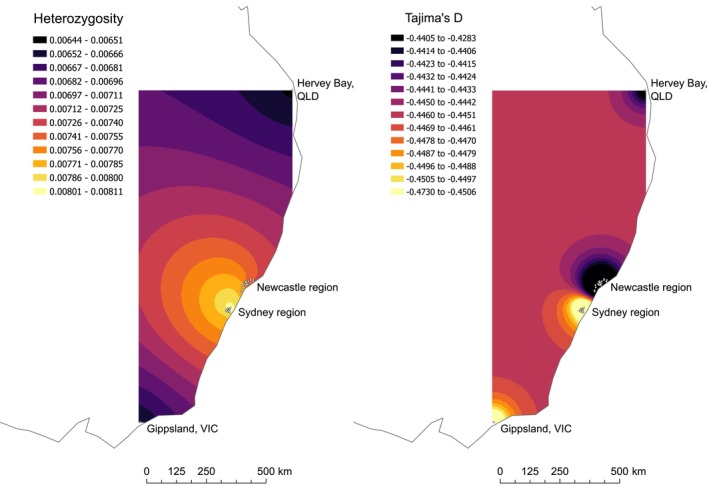 Figure 5
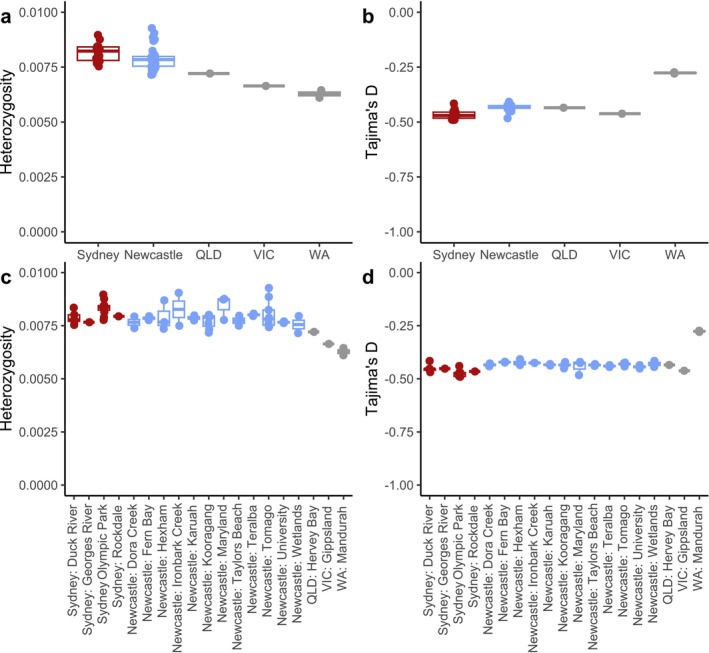 Figure 6
Peer Reviews
No public reviews on file for this paper yet. If you reviewed it on a platform where reviews are public (OpenReview, ICLR, NeurIPS, ICML), you can paste yours below so the community can read it here.
Videos
No videos yet. Explain this paper in a talk, walkthrough, or lecture? Add one.
Taxonomy
TopicsMosquito-borne diseases and control · Insect symbiosis and bacterial influences · Plant and animal studies