Comparison of 2.0 mg/kg/day and 0.5 mg/kg/day immunosuppressive dexamethasone protocols as initial treatment for dogs with MUO
Miroslav Prikryl, Sara Ferrini, Petr Srenk

TL;DR
This study compared two dexamethasone dosing protocols for dogs with MUO and found no significant difference in short-term neurological or gastrointestinal outcomes.
Contribution
The study provides new empirical evidence on the short-term efficacy and safety of different dexamethasone doses for treating canine MUO.
Findings
No significant difference in neurological improvement between the two dexamethasone dosing groups.
Gastrointestinal signs occurred in 28.3% of dogs, with no significant difference between the two groups.
Further research is needed to explore long-term effects and potential dose-dependent outcomes.
Abstract
Canine meningoencephalitis of unknown origin (MUO) is a common immune-mediated neurological disorder primarily treated with corticosteroids. However, the optimal initial dosing regimen remains unclear. This prospective, randomized, parallel-group study evaluated the short-term clinical efficacy and gastrointestinal (GIT) safety of two intravenous dexamethasone dosing protocols (0.5 mg/kg/day vs. 2.0 mg/kg/day) in dogs diagnosed with MUO. Neurological and GI scoring systems were used to assess outcomes over a four-day hospitalization period. Sixty dogs were enrolled and randomly assigned to either the 0.5 mg/kg/day (n = 30) or 2.0 mg/kg/day (n = 30) dexamethasone group. Neurological improvement was observed in 57 (95.0%) dogs, while 3 (5.0%) deteriorated, including 2 (3.3%) that died. No significant difference in neurological score changes was found between groups. Among the 58…
Genes, proteins, chemicals, diseases, species, mutations and cell lines named across the full text — each resolved to its canonical identifier and authoritative record.
Click any figure to enlarge with its caption.
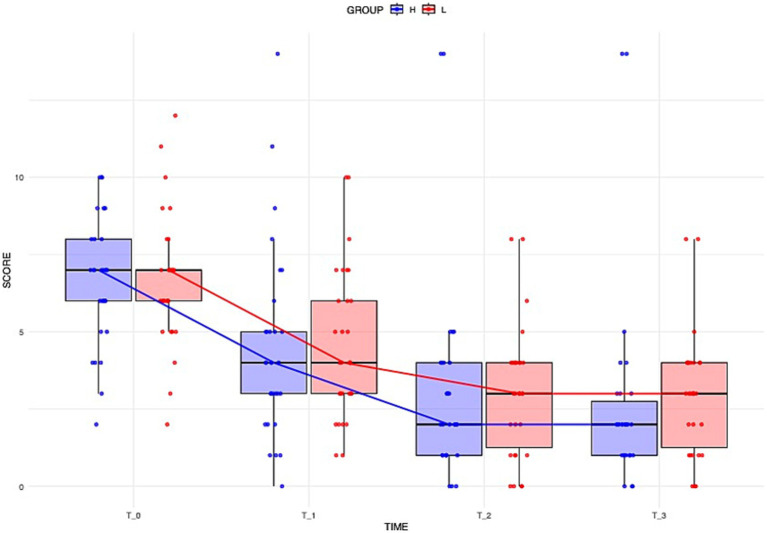 Figure 1
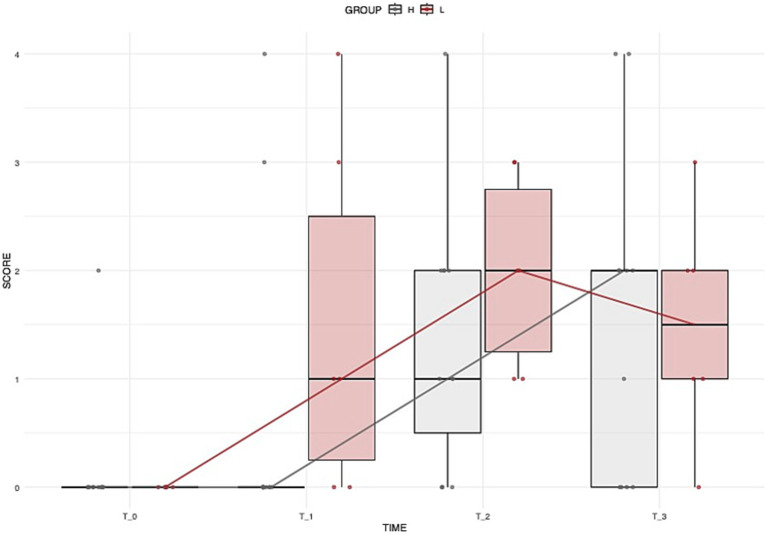 Figure 2
Peer Reviews
No public reviews on file for this paper yet. If you reviewed it on a platform where reviews are public (OpenReview, ICLR, NeurIPS, ICML), you can paste yours below so the community can read it here.
Videos
No videos yet. Explain this paper in a talk, walkthrough, or lecture? Add one.
Taxonomy
TopicsImmune Response and Inflammation · interferon and immune responses · Herpesvirus Infections and Treatments