Late Onset of Pseudoachalasia in Anti-Hu-Associated Syndrome
Jens Jaekel, Christian Jürgensen, Frank Tacke, Christoph Jochum, Gianluca Barbone

TL;DR
A patient with anti-Hu-associated syndrome developed pseudoachalasia nearly 90 months after initial symptoms, highlighting the need for thorough evaluation of new-onset dysphagia in such cases.
Contribution
This case report demonstrates the late onset of pseudoachalasia in anti-Hu-associated syndrome, emphasizing the importance of comprehensive diagnostic evaluation.
Findings
Pseudoachalasia occurred nearly 90 months after the first neurological symptoms in an anti-Hu-positive patient.
Endoscopic botulinum toxin injection provided effective relief after recurrence following pneumatic dilatation.
The patient had a lung carcinoid tumor resected, with no detectable recurrence after surgery.
Abstract
Background: Pseudoachalasia is a rare manifestation of anti-Hu-associated syndrome. We present the case of a 61-year-old female patient presenting primarily with progressive pain and sensory disturbance of all limbs. Neurological symptoms progressed after the primary treatment response and onconeural anti-Hu-antibodies were tested positive, which is often a surrogate to paraneoplastic syndrome. Subsequently, after repeated imaging, a lung carcinoid tumor was resected without detectable recurrence after surgery. Nearly 90 months after the first neurological manifestation, the patient developed dysphagia and the diagnosis of pseudoachalasia was established by esophageal manometry. Due to recurrence after pneumatic dilatation, endoscopic botulinum toxin injection provided good clinical results for the patient. Purpose: This case illustrates that anti-Hu-associated paraneoplastic…
Genes, proteins, chemicals, diseases, species, mutations and cell lines named across the full text — each resolved to its canonical identifier and authoritative record.
Click any figure to enlarge with its caption.
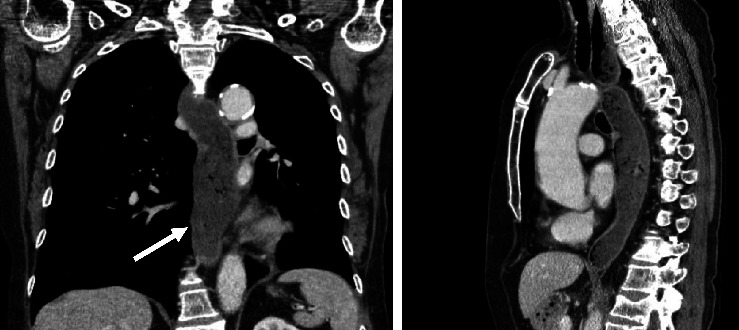 Figure 1
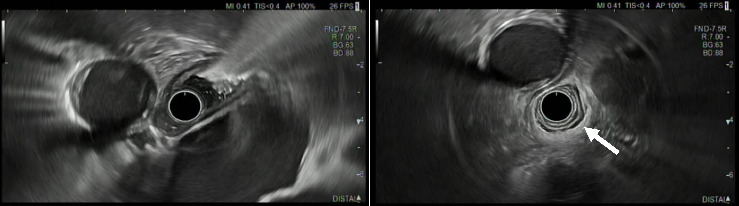 Figure 2
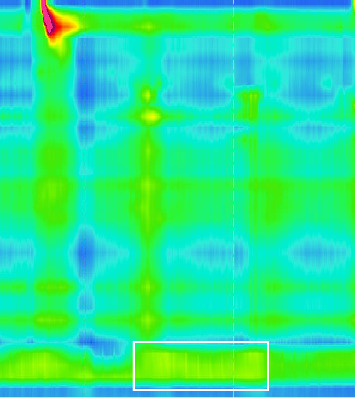 Figure 3
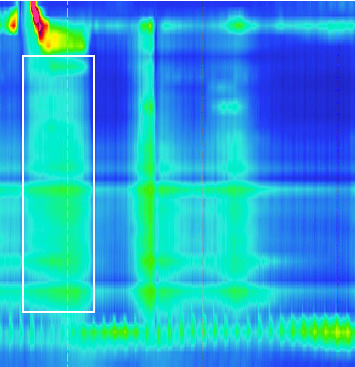 Figure 4
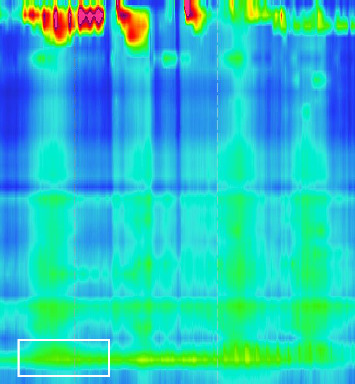 Figure 5
Peer Reviews
No public reviews on file for this paper yet. If you reviewed it on a platform where reviews are public (OpenReview, ICLR, NeurIPS, ICML), you can paste yours below so the community can read it here.
Videos
No videos yet. Explain this paper in a talk, walkthrough, or lecture? Add one.
Taxonomy
TopicsCardiovascular Syncope and Autonomic Disorders · Cardiac Arrhythmias and Treatments · Cardiovascular Function and Risk Factors