Using Speech Features and Machine Learning Models to Predict Emotional and Behavioral Problems in Chinese Adolescents
Jinyu Li, Yang Wang, Fei Wang, Ran Zhang, Ning Wang, Yue Zhu, Taihong Zhao

TL;DR
This study shows that speech features can help predict emotional and behavioral issues in Chinese adolescents, offering a more objective alternative to traditional methods.
Contribution
This is the first study to use speech signals and machine learning to predict adolescent emotional and behavioral problems.
Findings
GBDT models achieved high AUC scores for predicting hyperactivity and emotional symptoms.
Gender-specific speech features showed different importance in predicting problems.
Speech-based prediction offers a feasible alternative to subjective assessments.
Abstract
Background: Current assessments of adolescent emotional and behavioral problems rely heavily on subjective reports, which are prone to biases. Aim: This study is the first to explore the potential of speech signals as objective markers for predicting emotional and behavioral problems (hyperactivity, emotional symptoms, conduct problems, and peer problems) in adolescents using machine learning techniques. Materials and Methods: We analyzed speech data from 8215 adolescents aged 12–18 years, extracting four categories of speech features: mel-frequency cepstral coefficients (MFCC), mel energy spectrum (MELS), prosodic features (PROS), and formant features (FORM). Machine learning models—logistic regression (LR), support vector machine (SVM), and gradient boosting decision trees (GBDT)—were employed to classify hyperactivity, emotional symptoms, conduct problems, and peer problems as…
Genes, proteins, chemicals, diseases, species, mutations and cell lines named across the full text — each resolved to its canonical identifier and authoritative record.
Click any figure to enlarge with its caption.
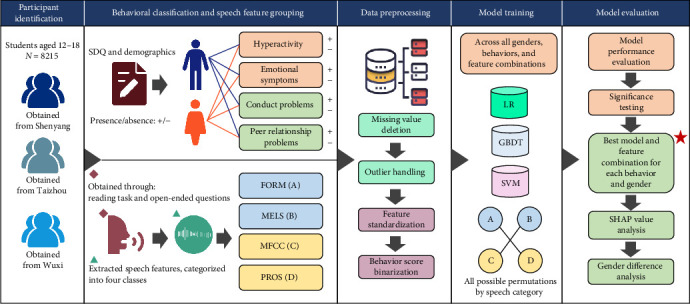 Figure 1
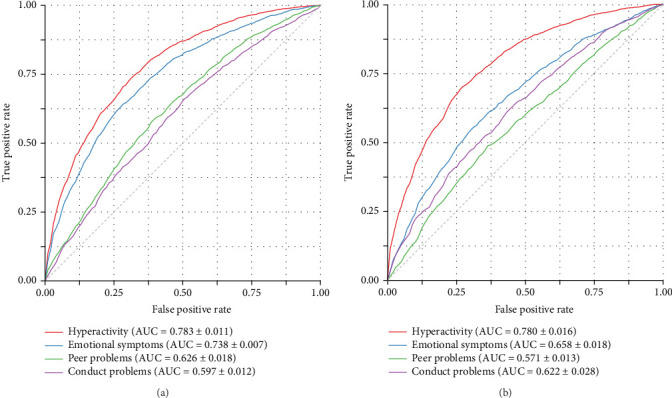 Figure 2
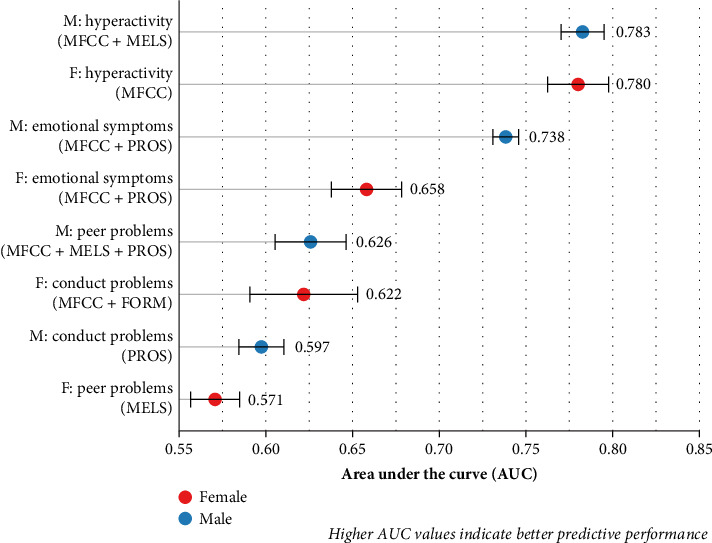 Figure 3
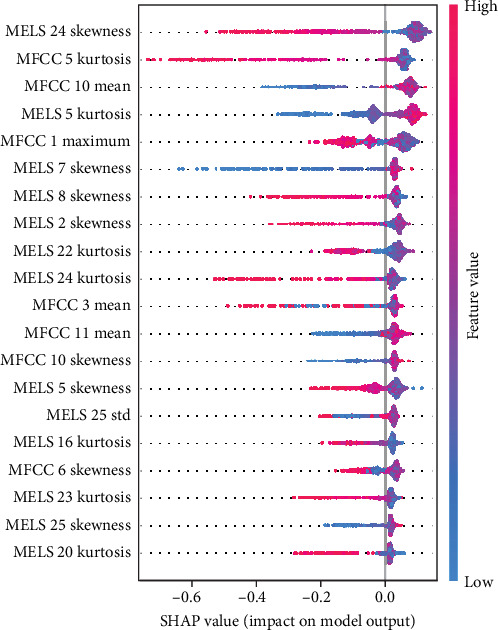 Figure 4
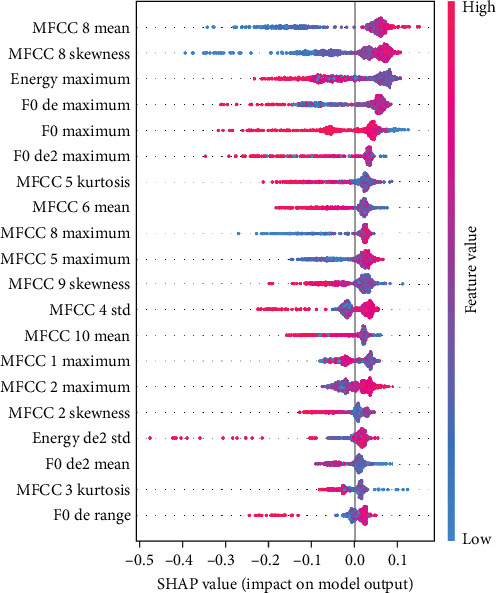 Figure 5
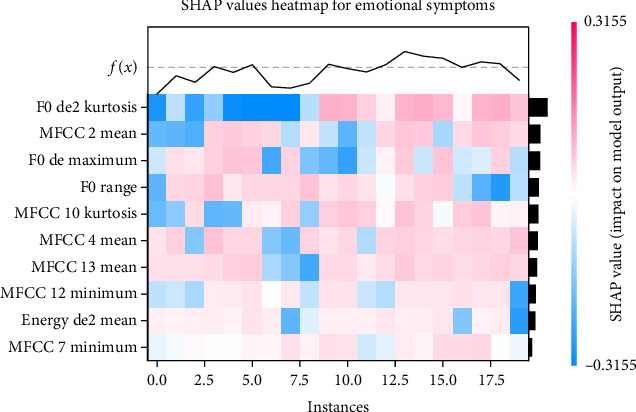 Figure 6
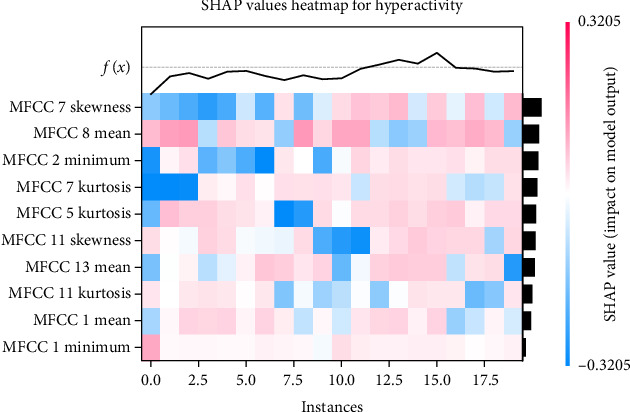 Figure 7
Peer Reviews
No public reviews on file for this paper yet. If you reviewed it on a platform where reviews are public (OpenReview, ICLR, NeurIPS, ICML), you can paste yours below so the community can read it here.
Videos
No videos yet. Explain this paper in a talk, walkthrough, or lecture? Add one.
Taxonomy
TopicsChild and Adolescent Psychosocial and Emotional Development · Infant Health and Development · Digital Mental Health Interventions