Antimicrobial, Time–Kill Kinetics, and Biofilm Inhibition Properties of Diospyros lycioides Chewing Stick Used in Namibia Against Enterococcus faecalis
Albertina Mariina Ndinelao Shatri, Silas Kudakwashe Bere, Denise Bouman, Davis Ropafadzo Mumbengegwi

TL;DR
This study shows that a chewing stick from the Diospyros lycioides plant in Namibia can effectively kill and inhibit biofilms of Enterococcus faecalis, a bacteria linked to oral infections.
Contribution
This is the first study to quantify the antimicrobial and biofilm inhibition properties of D. lycioides extracts against E. faecalis.
Findings
Methanol extracts of D. lycioides showed high levels of flavonoids, phenols, and antioxidant activity.
The organic extract achieved a bactericidal effect on E. faecalis at 8× MIC within 4 hours.
The extract inhibited E. faecalis biofilm formation by ≥50% at concentrations as low as 7.8 μg/mL.
Abstract
Background: Medicinal plants are used in Namibia for oral hygiene and to treat oral diseases. Validating the content and efficacy of medicinal chewsticks used in communities helps to provide proof of concept of medicinal plants used as a complementary/alternative medicine for oral diseases. Aim: This study presents the first report on quantified phytoconstituents, antimicrobial, time–kill kinetics, and biofilm inhibition properties of Diospyros lycioides organic and aqueous extracts against Enterococcus faecalis. Methodology: Dry plant materials were ground into powder and macerated in methanol and distilled water. Different phytoconstituents were quantified by Folin–Ciocalteu colorimetric method, ferric reducing antioxidant power assay, and DPPH free radical scavenging. An antibacterial assay was performed using the agar well diffusion method and a resazurin 96-well-based assay.…
Genes, proteins, chemicals, diseases, species, mutations and cell lines named across the full text — each resolved to its canonical identifier and authoritative record.
Click any figure to enlarge with its caption.
 Figure 1
 Figure 2
 Figure 3
 Figure 4
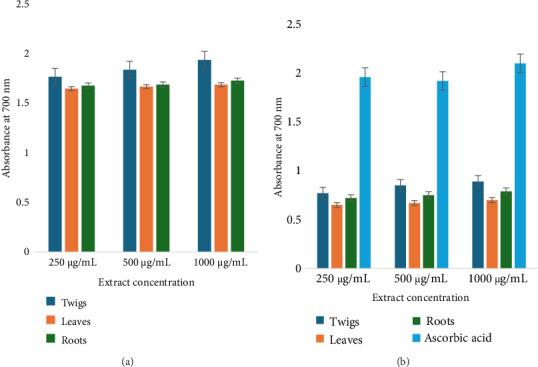 Figure 5
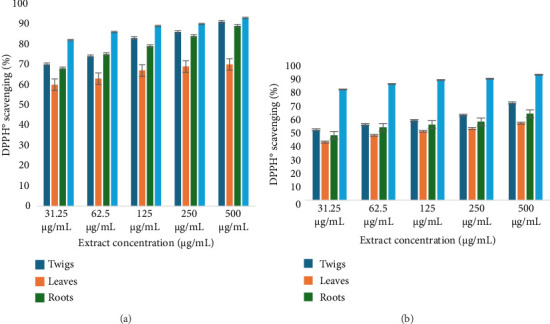 Figure 6
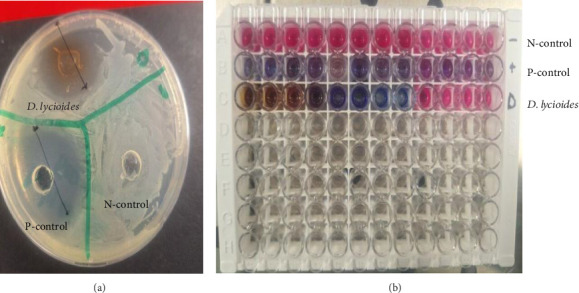 Figure 7
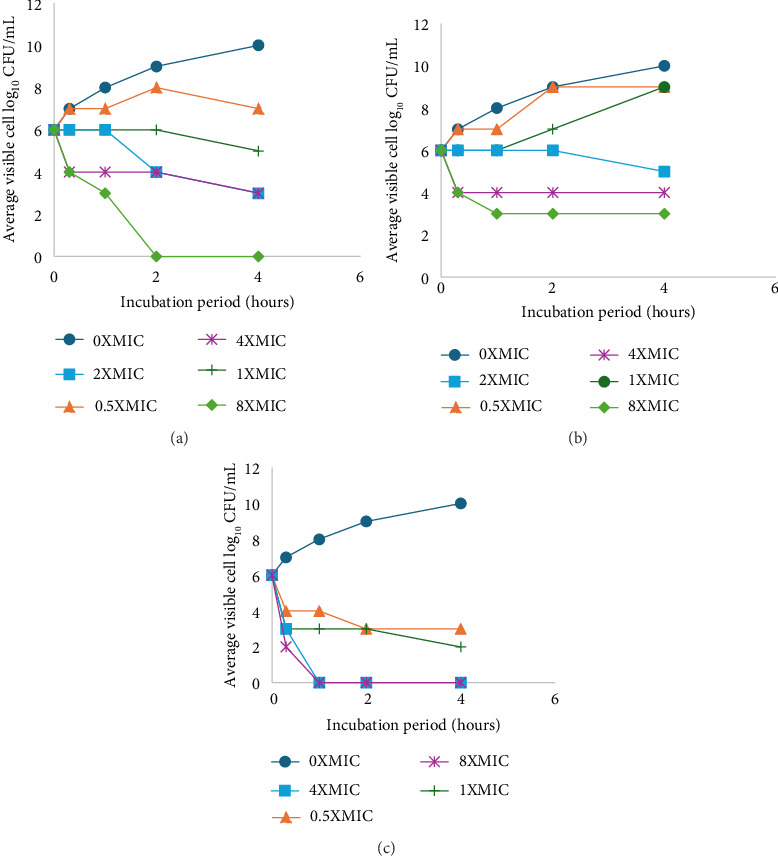 Figure 8
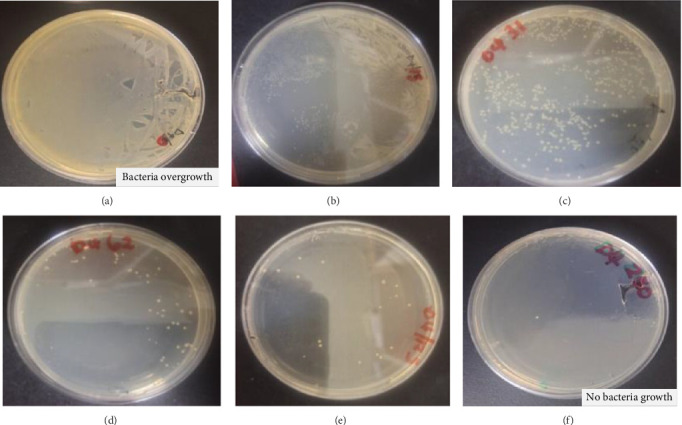 Figure 9
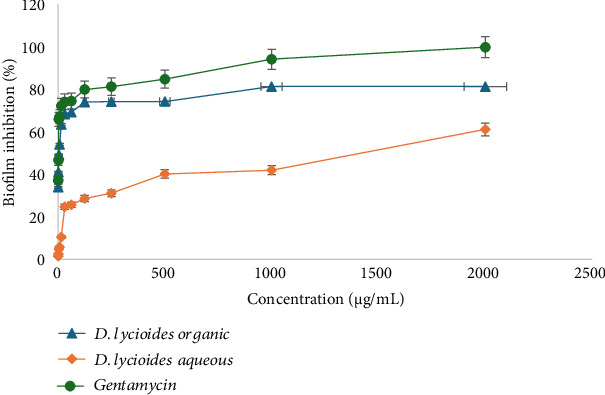 Figure 10
Peer Reviews
No public reviews on file for this paper yet. If you reviewed it on a platform where reviews are public (OpenReview, ICLR, NeurIPS, ICML), you can paste yours below so the community can read it here.
Videos
No videos yet. Explain this paper in a talk, walkthrough, or lecture? Add one.
Taxonomy
TopicsBacterial biofilms and quorum sensing · Antimicrobial agents and applications