Pathological Threshold of Patellar Tendon-Trochlear Groove Distance Using Magnetic Resonance Image in Patients with Patellar Instability
Rubens Rosso Nadal, Vinícius Canello Kuhn, Alexandre Codevilla Teixeira, Eduardo Bervian Júnior, Osmar Valadão Lopes Júnior

TL;DR
This study identifies a threshold for patellar tendon-trochlear groove distance in MRI scans to help diagnose patellar instability.
Contribution
The study establishes a new pathological threshold of 15.5 mm for PT-TG distance in MRI to assess patellar instability.
Findings
The PT-TG distance was significantly higher in the instability group (20.6 mm) compared to the control group (11.8 mm).
A PT-TG distance of 15.5 mm was identified as a pathological threshold with 81.4% accuracy.
Higher PT-TG values correlate with lateralization forces contributing to patellar instability.
Abstract
To evaluate and compare the values of the patellar tendon-trochlear groove (PT-TG) distance in individuals with and without patellar instability. Additionally, we aimed to define a cut-off value for the pathological limit of the PT-TG through nuclear magnetic resonance imaging (MRI) in patients with patellar instability. The PT-TG distance of 52 knees was measured in 48 individuals with objective patellar instability (instability group) by MRI. These measurements were compared with those made in 50 knees of 44 individuals without a history of patellar instability (control group). The PT-TG distance in the instability group (20.6 ± 5.0 mm) was greater than in the control group (11.8 ± 3.4 mm; p < 0.001). A value of 15.5 mm was determined as the pathological limit, with an accuracy of 81.4%, in MRI exams. Individuals with patellar instability have statistically higher measurements of…
Genes, proteins, chemicals, diseases, species, mutations and cell lines named across the full text — each resolved to its canonical identifier and authoritative record.
Click any figure to enlarge with its caption.
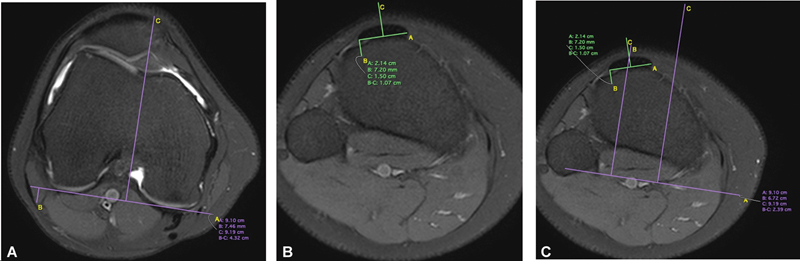 Figure 1
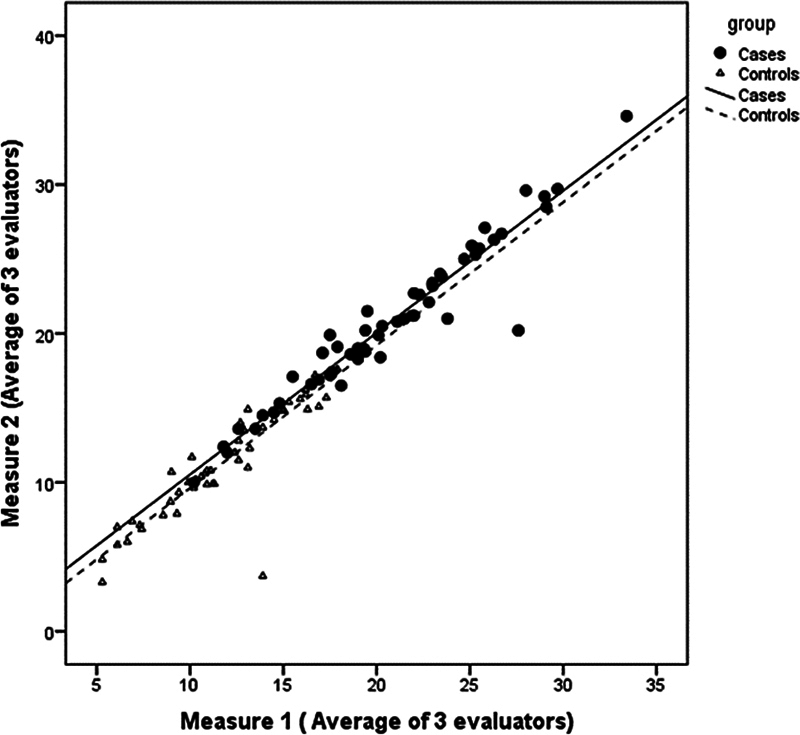 Figure 2
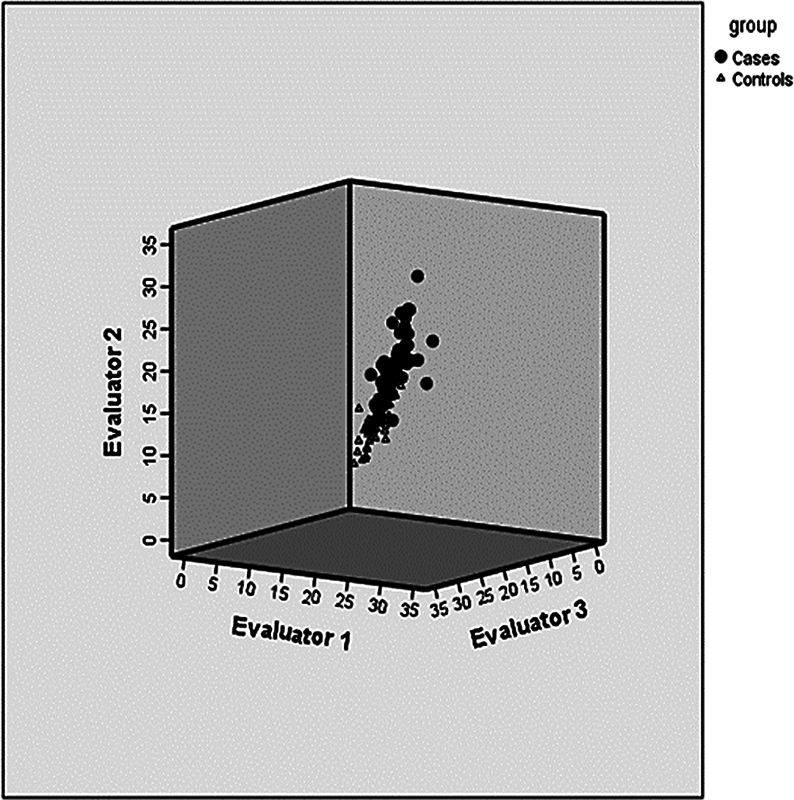 Figure 3
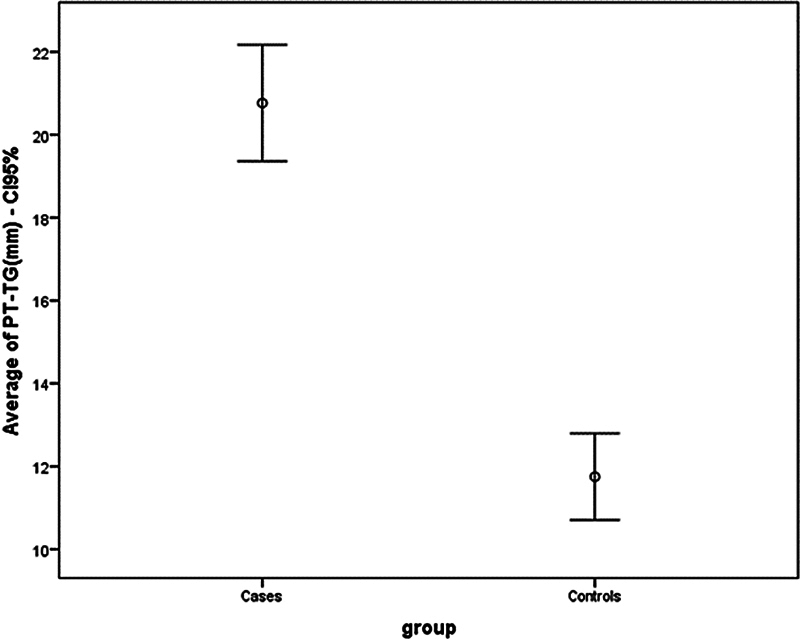 Figure 4
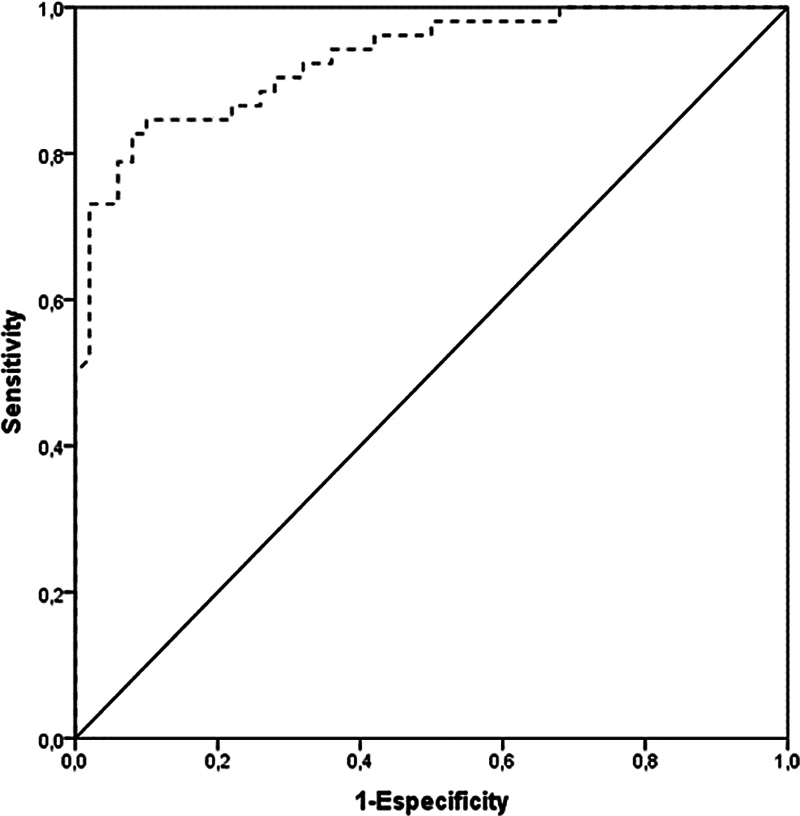 Figure 5
Peer Reviews
No public reviews on file for this paper yet. If you reviewed it on a platform where reviews are public (OpenReview, ICLR, NeurIPS, ICML), you can paste yours below so the community can read it here.
Videos
No videos yet. Explain this paper in a talk, walkthrough, or lecture? Add one.
Taxonomy
TopicsLower Extremity Biomechanics and Pathologies · Tendon Structure and Treatment · Foot and Ankle Surgery