Ex vivo Gliadin Stimulation of Intestinal Cells
Linda Zhang, Chuan He

TL;DR
This paper introduces a lab method to study celiac disease by stimulating intestinal cells with gluten peptides.
Contribution
The study presents a novel ex vivo method to induce celiac disease features in intestinal cells using gliadin peptides.
Findings
Ex vivo gliadin stimulation can mimic celiac disease features in intestinal epithelial cells.
The method provides a potential in vitro model for studying disease mechanisms and testing treatments.
Abstract
Celiac disease is an autoimmune response to gluten proteins. While causes for celiac disease have been identified, there is no effective treatment other than diet control. In vitro models for celiac disease are important for quickly gaining understanding of the disease mechanism and testing potential treatments. Here we describe an ex vivo stimulation of intestinal epithelial cells with gliadin peptides as a method to induce celiac disease features in vitro.
Genes, proteins, chemicals, diseases, species, mutations and cell lines named across the full text — each resolved to its canonical identifier and authoritative record.
Click any figure to enlarge with its caption.
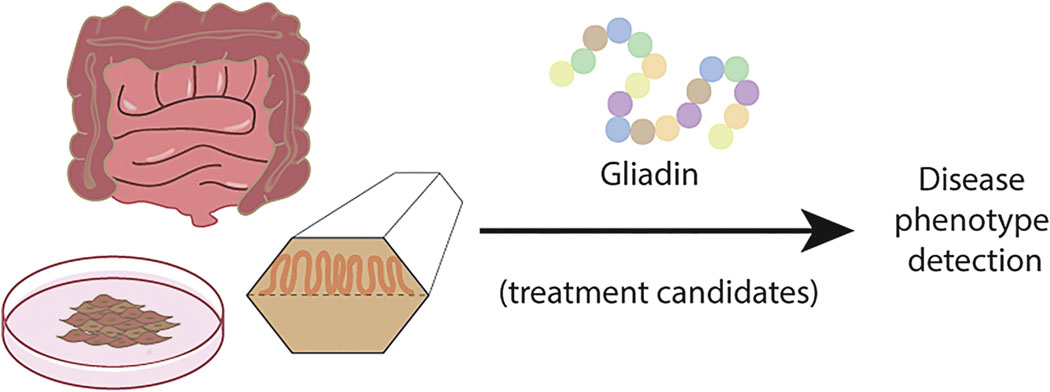 Figure 1
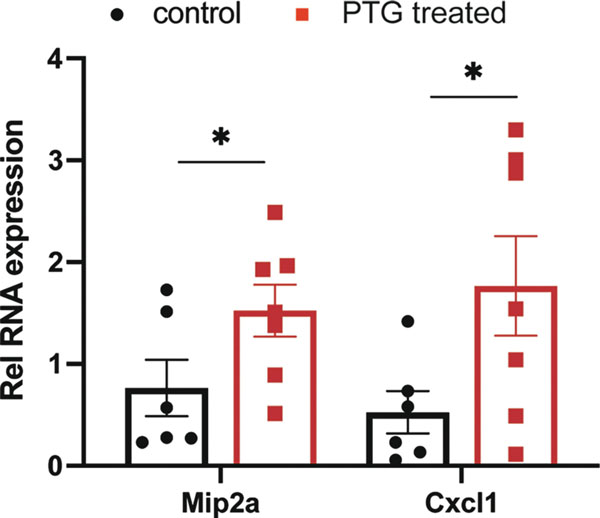 Figure 2
Peer Reviews
No public reviews on file for this paper yet. If you reviewed it on a platform where reviews are public (OpenReview, ICLR, NeurIPS, ICML), you can paste yours below so the community can read it here.
Videos
No videos yet. Explain this paper in a talk, walkthrough, or lecture? Add one.
Taxonomy
TopicsCeliac Disease Research and Management · Helicobacter pylori-related gastroenterology studies · Galectins and Cancer Biology