Annular Pancreas: Insights Into the Diagnosis of a Rare Anatomical Malformation in Pediatric Patients
Dimitra Boviatsi, Georgios Zoumpoulis, Eleni Koutrouveli, Marina Vakaki, Aggelos Marantos, Amir Shihada, Alexandros Samolis, Dimosthenis Chrysikos, Dimitrios Filippou, Theodore Troupis

TL;DR
This paper discusses the diagnosis of annular pancreas in a neonate using ultrasound, highlighting a rare anatomical malformation in pediatric patients.
Contribution
The paper presents a case emphasizing the role of saline-aided ultrasound in diagnosing annular pancreas without using contrast or radiation.
Findings
Annular pancreas was diagnosed in a neonate with esophageal atresia using preoperative ultrasound.
Saline-aided ultrasound confirmed the diagnosis and guided the decision for duodenal bypass.
The study highlights the effectiveness of ultrasound in diagnosing rare anatomical malformations in infants.
Abstract
Annular pancreas is a rare congenital abnormality, detected in both pediatric and adult patients. Normally, the pancreas arises from the fusion of two endodermal buds of the caudal foregut, the dorsal and ventral pancreatic buds, during the first weeks of gestation. However, defects in embryonic development can lead to the formation of an annular pancreas. Being an uncommon clinical entity, a high level of suspicion is crucial for early diagnosis. We present a case of an annular pancreas in a neonate who was initially referred to our department with a prominent diagnosis of esophageal atresia. Preoperative ultrasound assessment indicated duodenal obstruction, raising suspicion of an annular pancreas, which was further confirmed by saline-aided ultrasound examination. Hence, duodenal bypass was performed. This report aims to present the diagnostic approach to this anatomical anomaly in…
Genes, proteins, chemicals, diseases, species, mutations and cell lines named across the full text — each resolved to its canonical identifier and authoritative record.
Click any figure to enlarge with its caption.
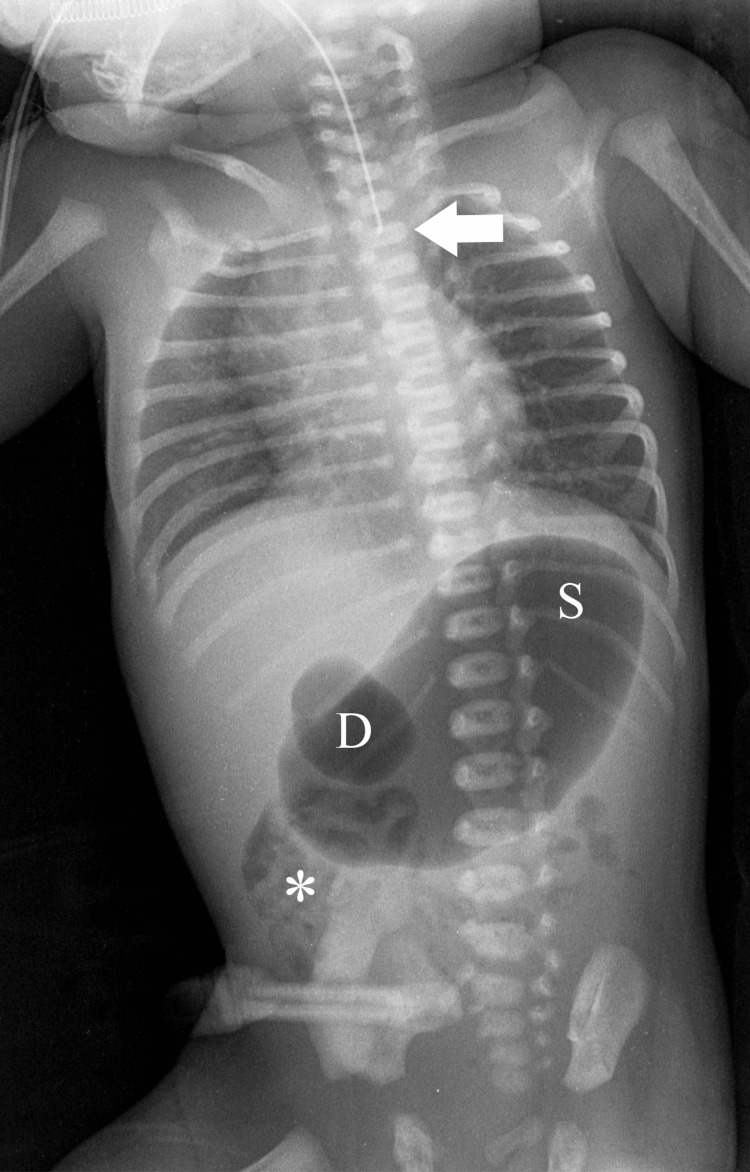 Figure 1
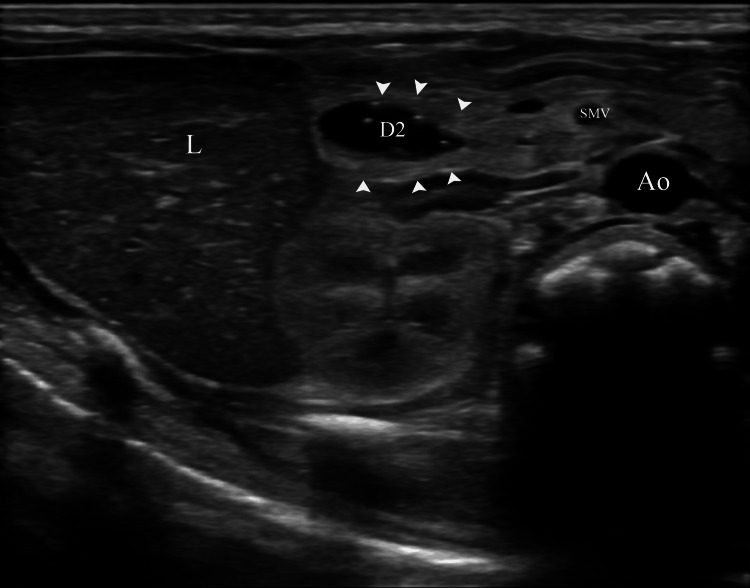 Figure 2
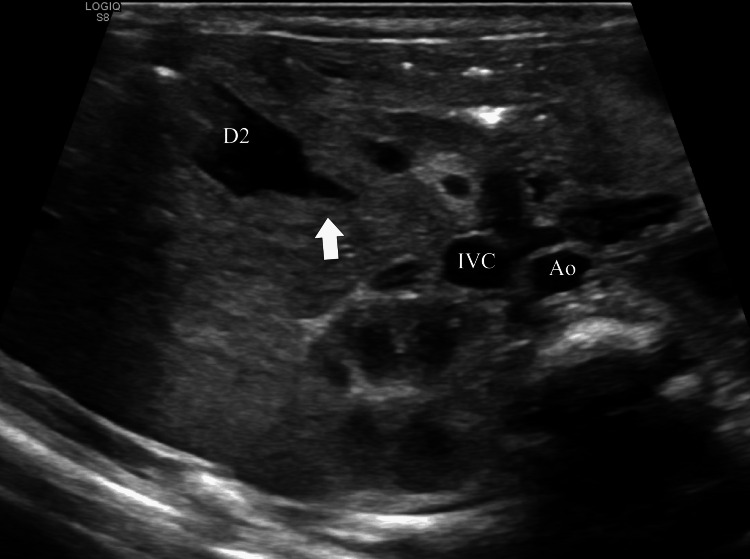 Figure 3
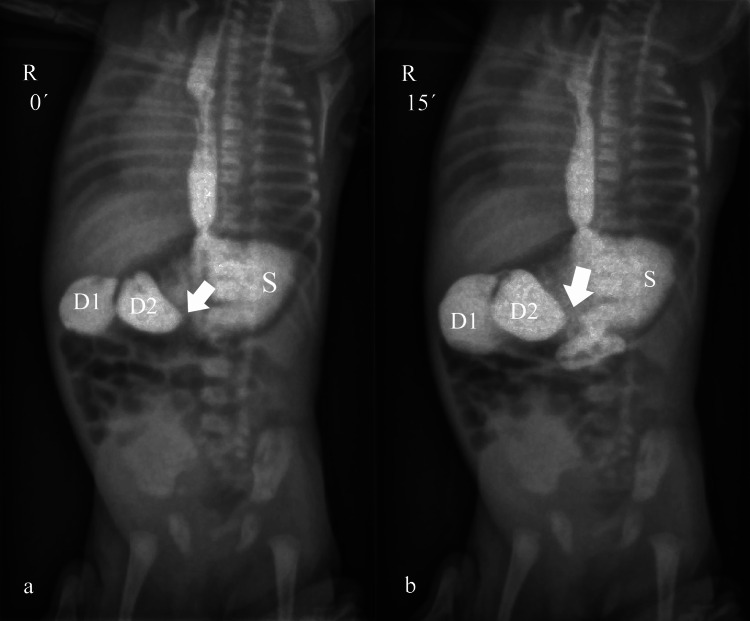 Figure 4
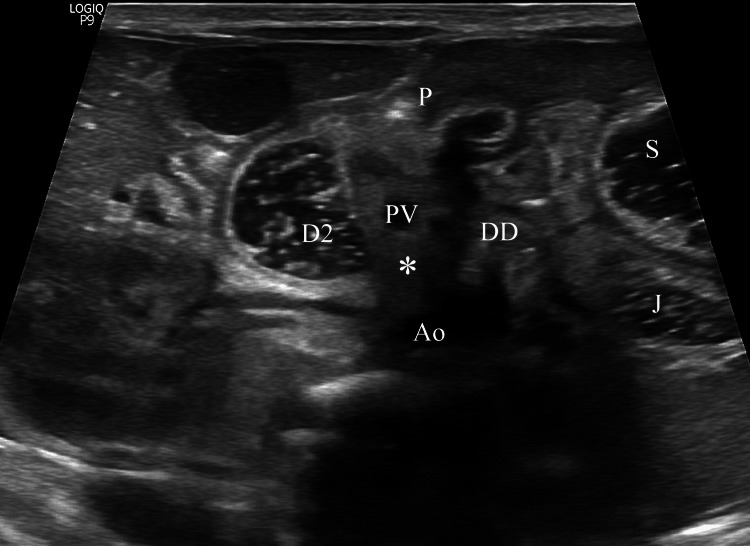 Figure 5
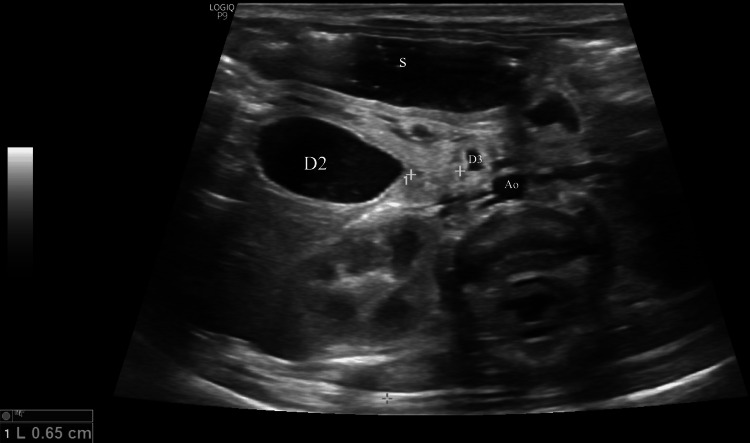 Figure 6
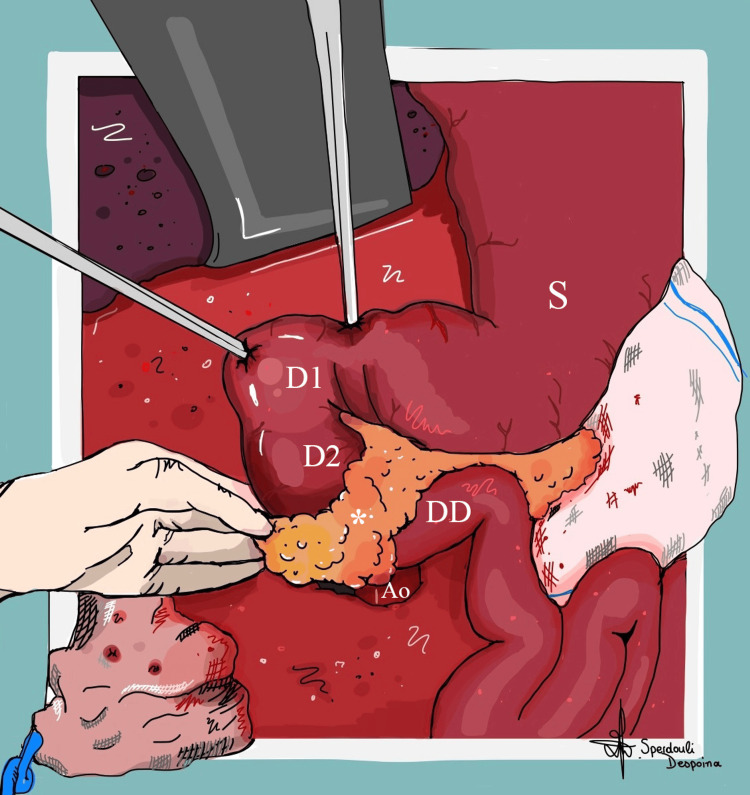 Figure 7
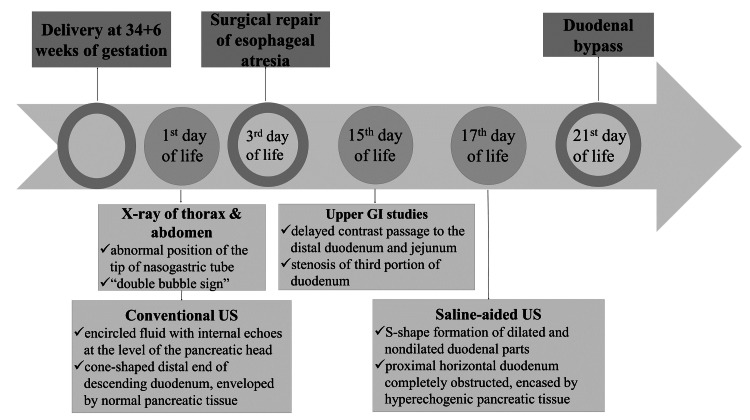 Figure 8
Peer Reviews
No public reviews on file for this paper yet. If you reviewed it on a platform where reviews are public (OpenReview, ICLR, NeurIPS, ICML), you can paste yours below so the community can read it here.
Videos
No videos yet. Explain this paper in a talk, walkthrough, or lecture? Add one.
Taxonomy
TopicsIntestinal Malrotation and Obstruction Disorders · Gastrointestinal disorders and treatments · Congenital gastrointestinal and neural anomalies