Simulation and prediction of rural population changes using agent-based modeling
Shanshan Huang, Yao Huang, Shitai Bao, Jianfang Wang, Siying Chen, Muhammad Umer Arshad, Muhammad Umer Arshad, Muhammad Umer Arshad, Muhammad Umer Arshad

TL;DR
This paper uses agent-based modeling to simulate and predict rural population changes in China, focusing on micro-level behaviors like migration and birth rates.
Contribution
The study introduces a novel agent-based model to capture micro-level rural population dynamics and predict future trends.
Findings
Agent-based modeling effectively captures rural population dynamics at the micro level.
Economically disadvantaged villages show significant declines in population, labor force, and youth proportion.
Migration and birth rates are key factors influencing rural demographic trends.
Abstract
Rural population change is a critical element of the strategy for rural revitalization in China. Many studies emphasize large-scale macro-population trends, but a noticeable gap exists in micro-level simulations and predictions regarding rural population size and structure. This study employs an agent-based model(ABM), defining a population agent and its behavioral rules. By modeling individual-level birth, death, and migration behaviors, it generates agent-based outputs that aggregate to capture population dynamics and forecast rural demographic trends over the next 11 years. Using two representative villages as study areas, the results were validated by comparing them with actual population data and predictions made by the Leslie model. The findings demonstrate the following: 1) the agent-based modeling effectively captures the dynamics of births, deaths, and migrations at the micro…
Genes, proteins, chemicals, diseases, species, mutations and cell lines named across the full text — each resolved to its canonical identifier and authoritative record.
Click any figure to enlarge with its caption.
 Figure 1
 Figure 2
 Figure 3
 Figure 4
 Figure 5
 Figure 6
 Figure 7
 Figure 8
 Figure 9
 Figure 10
 Figure 11
 Figure 12
 Figure 13
 Figure 14
 Figure 15
 Figure 16
 Figure 17
 Figure 18
 Figure 19
 Figure 20
 Figure 21
 Figure 22
 Figure 23
 Figure 24
 Figure 25
 Figure 26
 Figure 27
 Figure 28
 Figure 29
 Figure 30
 Figure 31
 Figure 32
 Figure 33
 Figure 34
 Figure 35
 Figure 36
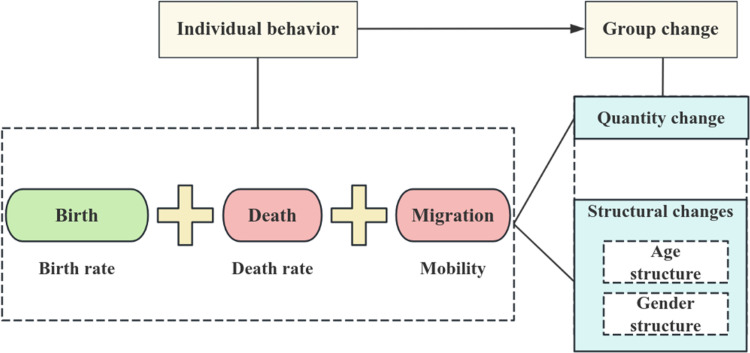 Figure 37
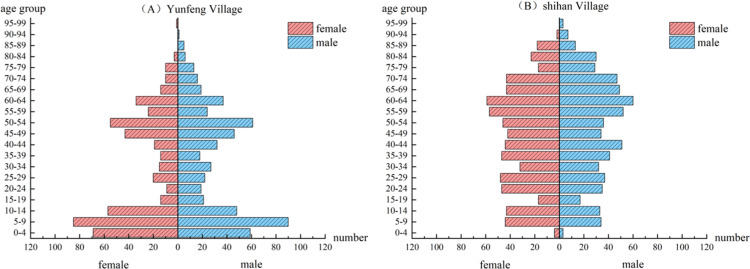 Figure 38
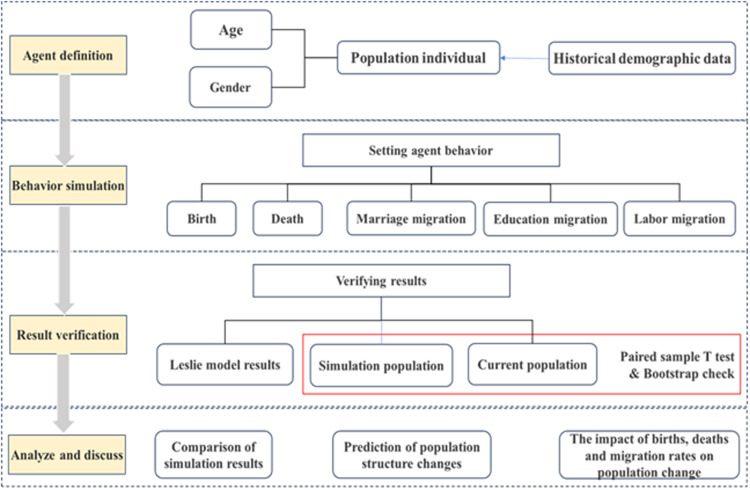 Figure 39
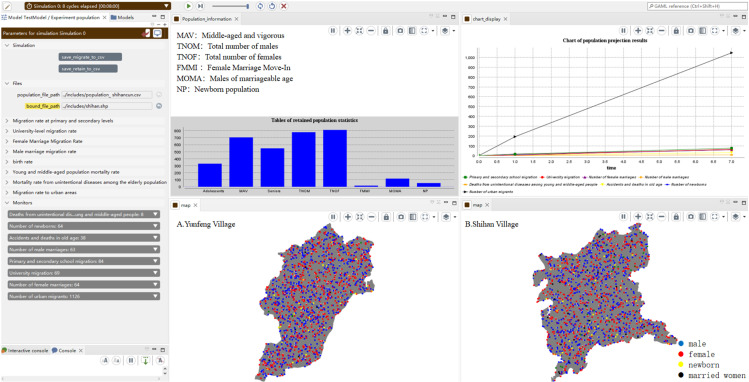 Figure 40
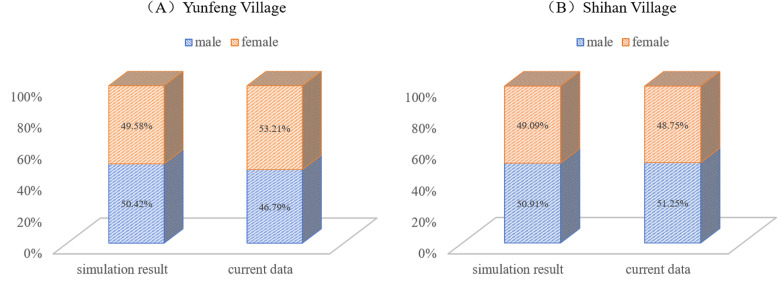 Figure 41
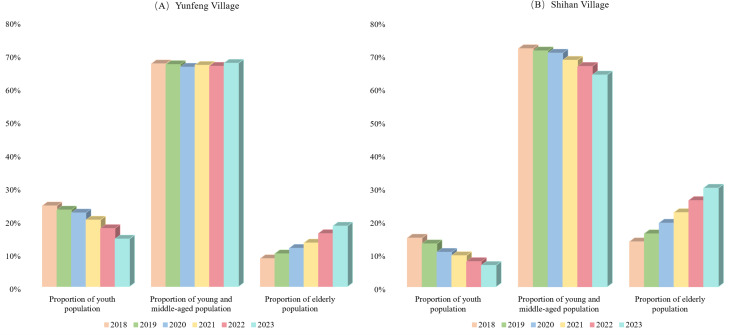 Figure 42
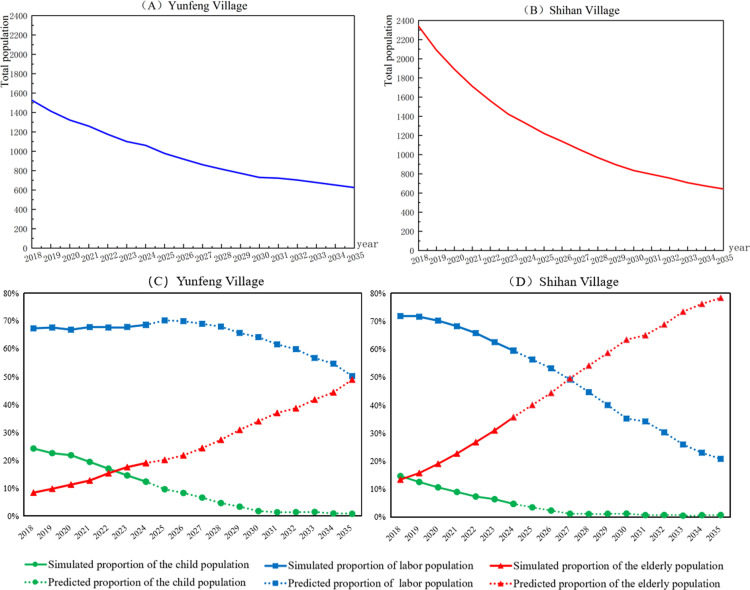 Figure 43
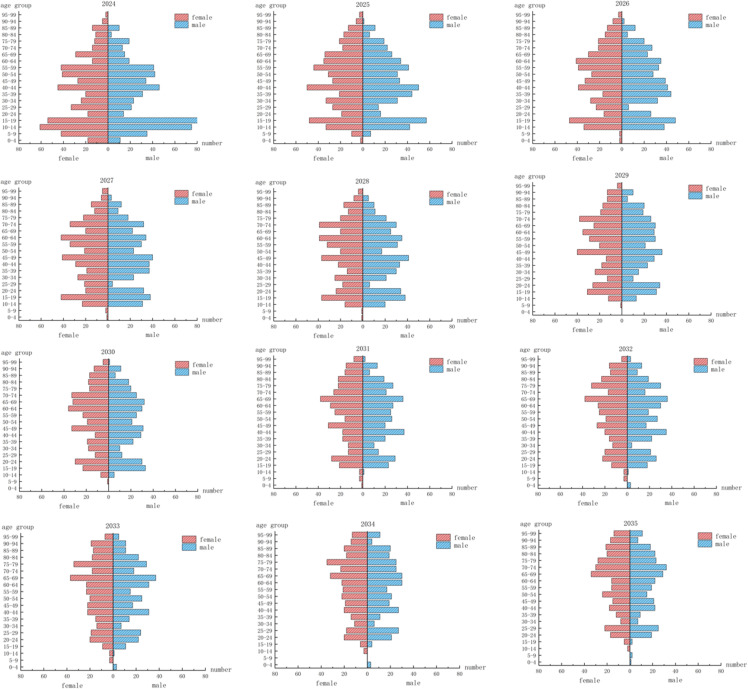 Figure 44
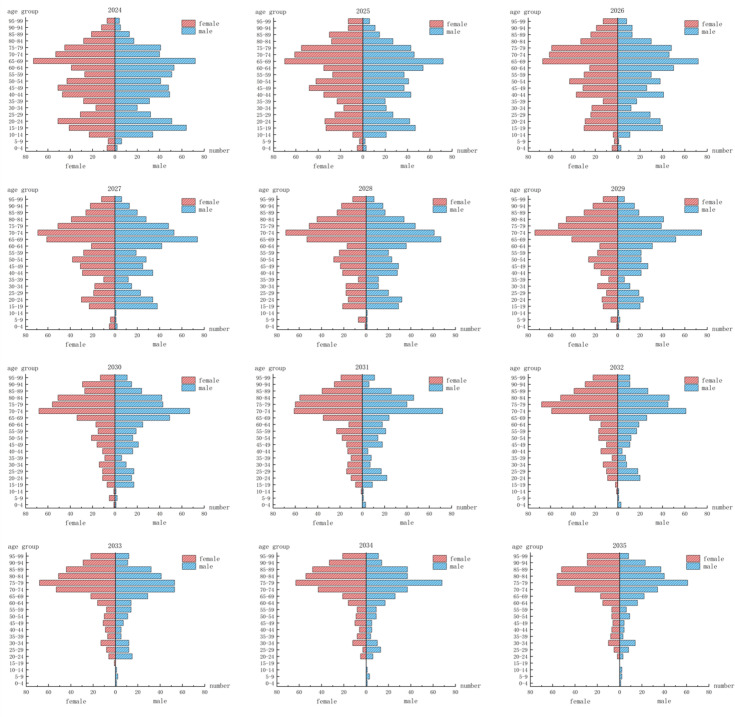 Figure 45
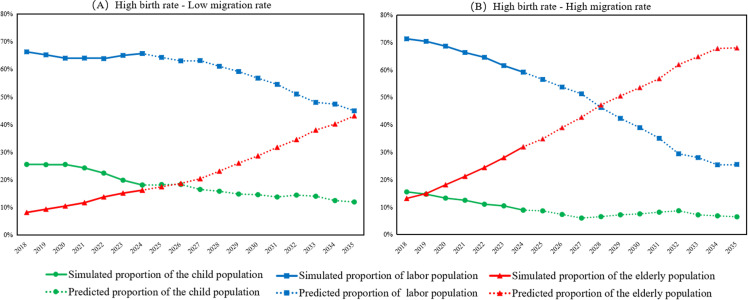 Figure 46
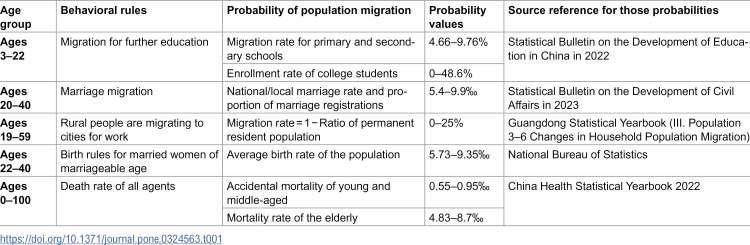 Figure 47
 Figure 48
 Figure 49
 Figure 50
Peer Reviews
No public reviews on file for this paper yet. If you reviewed it on a platform where reviews are public (OpenReview, ICLR, NeurIPS, ICML), you can paste yours below so the community can read it here.
Videos
No videos yet. Explain this paper in a talk, walkthrough, or lecture? Add one.
Taxonomy
Topicsdemographic modeling and climate adaptation · Urban, Neighborhood, and Segregation Studies · Rural development and sustainability