A Seasonal Autoregressive Integrated Moving Average (SARIMA) forecasting model to predict the epidemic trends of scrub typhus in China
Pei-Ying Peng, Hui-Ying Duan, Lei Xu, Ji-Qin Sun, Li-Juan Ma, Ya Zu, Ting-Liang Yan

TL;DR
This study uses a SARIMA model to accurately predict scrub typhus outbreaks in China based on historical data from 2006 to 2019.
Contribution
The novel application of SARIMA model for scrub typhus forecasting in China demonstrates its effectiveness in capturing seasonal trends.
Findings
A SARIMA (1, 0, 2) (1, 1, 1) 12 model was identified as optimal for forecasting scrub typhus cases.
The model successfully predicted 2019 cases within a 95% confidence range.
Female morbidity was significantly higher than male morbidity (P < 0.001).
Abstract
Scrub typhus is a deadly infectious disease that is frequently underdiagnosed. Forecasting the emergence of infectious diseases using epidemiological models has emerged as a crucial instrument for comprehending the dynamics of their occurrence. This research aimed to investigate epidemic traits and create a predictive model for scrub typhus in mainland China, employing the Seasonal Autoregressive Integrated Moving Average (SARIMA) time series method. Monthly records of scrub typhus cases were gathered from the China Center for Disease Control and Prevention, covering the timeframe from 2006 to 2019. From 2006 to 2018, a total of 142849 scrub typhus cases were reported in China, the females’ morbidity was higher than the males’ one (P < 0.001). The ideal model was SARIMA (1, 0, 2) (1, 1, 1) 12 with its residual being white noise (P > 0.05). This method forecasted scrub typhus cases…
Genes, proteins, chemicals, diseases, species, mutations and cell lines named across the full text — each resolved to its canonical identifier and authoritative record.
Click any figure to enlarge with its caption.
 Figure 1
 Figure 2
 Figure 3
 Figure 4
 Figure 5
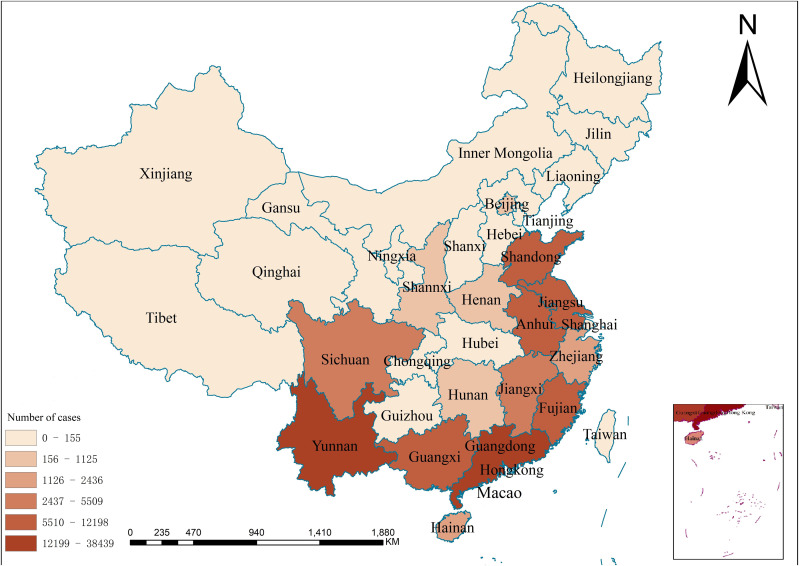 Figure 6
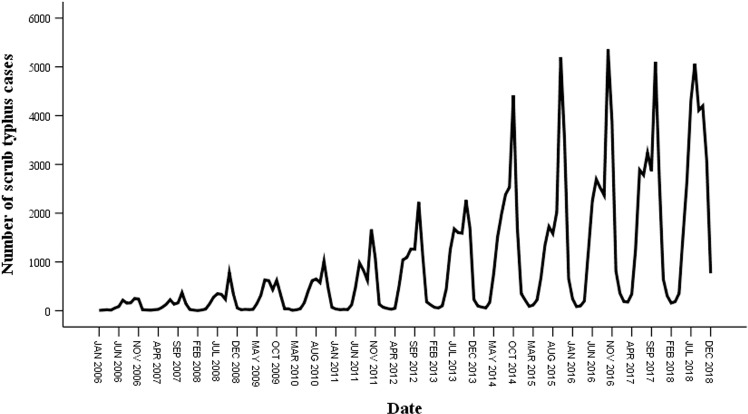 Figure 7
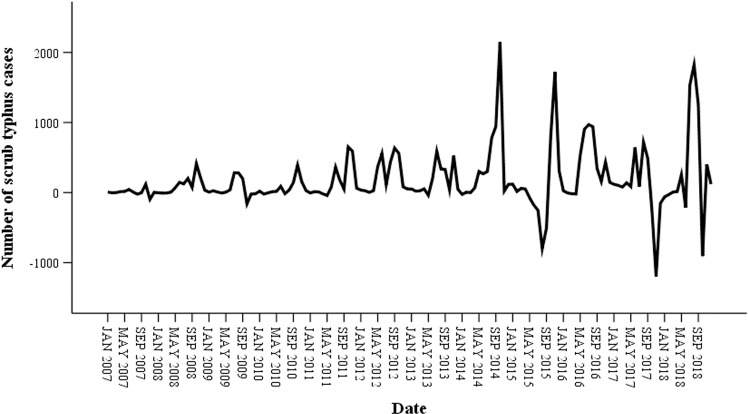 Figure 8
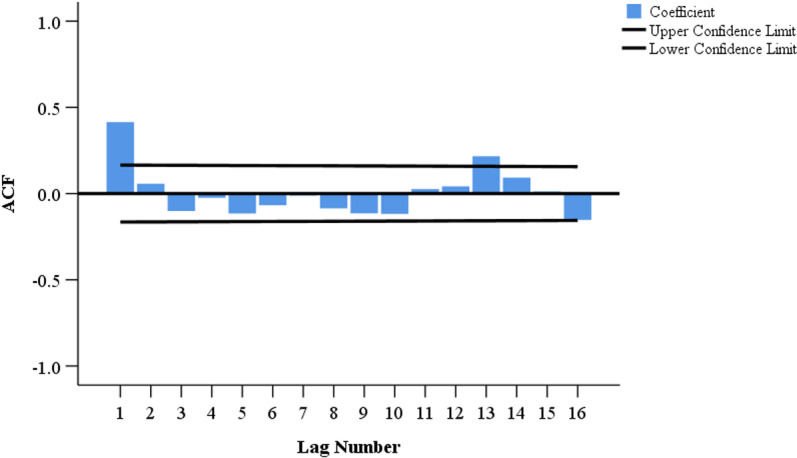 Figure 9
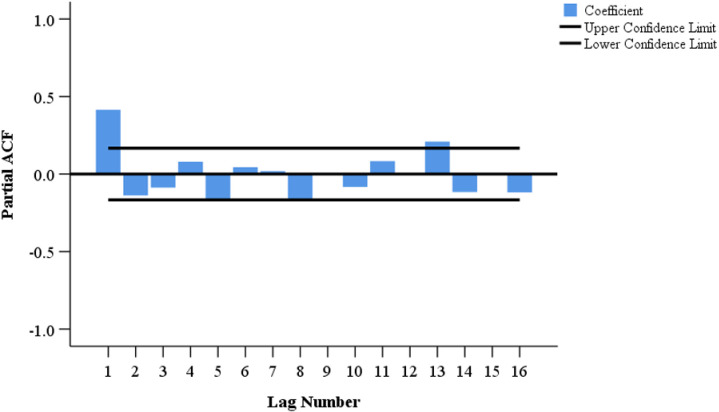 Figure 10
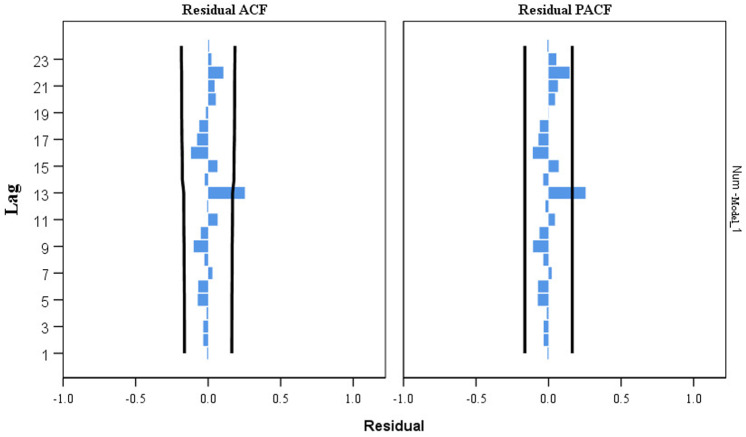 Figure 11
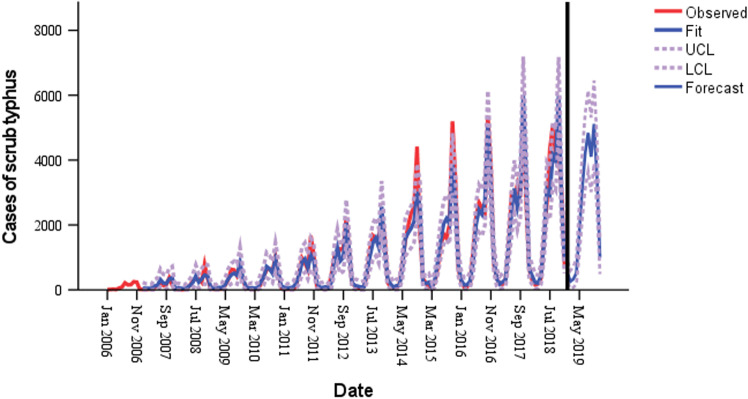 Figure 12
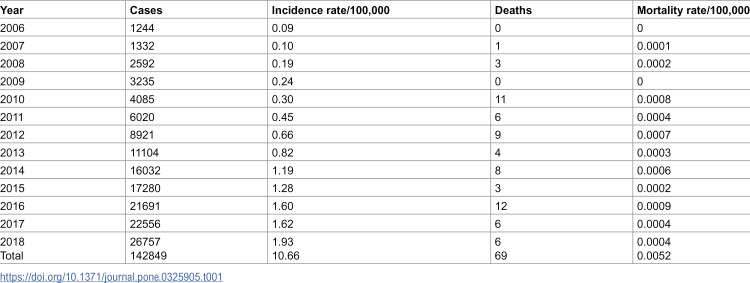 Figure 13
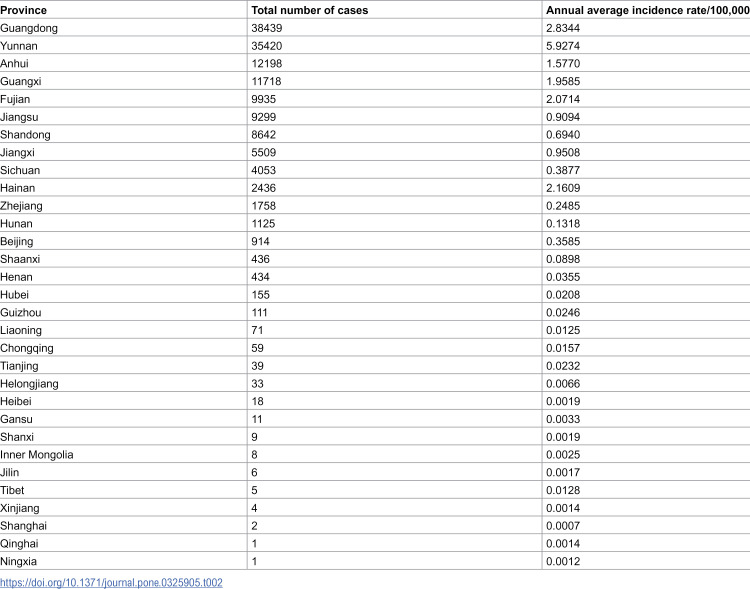 Figure 14
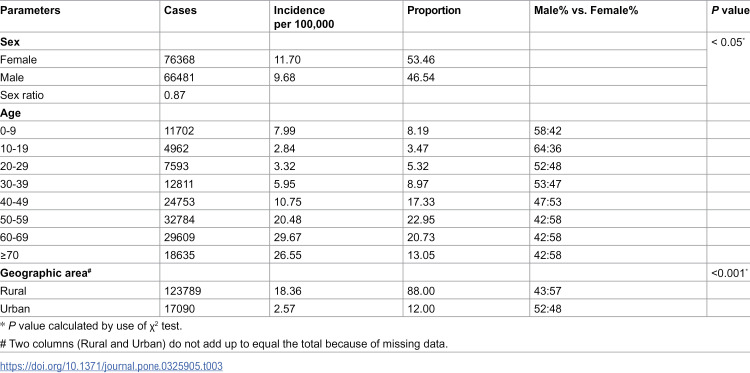 Figure 15
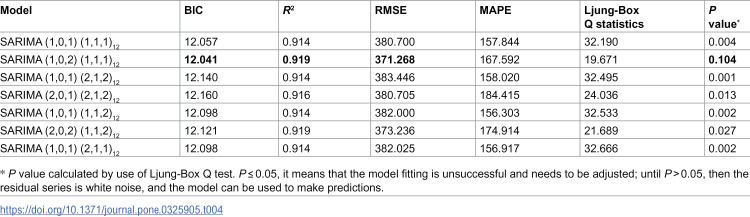 Figure 16
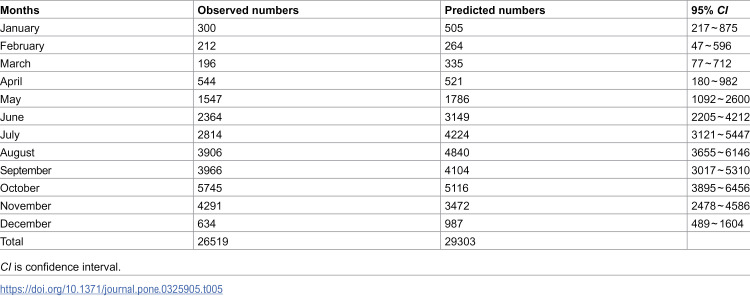 Figure 17
Peer Reviews
No public reviews on file for this paper yet. If you reviewed it on a platform where reviews are public (OpenReview, ICLR, NeurIPS, ICML), you can paste yours below so the community can read it here.
Videos
No videos yet. Explain this paper in a talk, walkthrough, or lecture? Add one.
Taxonomy
TopicsAnimal Disease Management and Epidemiology · Food Safety and Hygiene · Viral Infections and Vectors