MitoTracer facilitates the identification of informative mitochondrial mutations for precise lineage reconstruction
Xuexin Yu, Jing Hu, Yuhao Tan, Mingyao Pan, Hongyi Zhang, Bo Li

TL;DR
MitoTracer is a new tool that accurately identifies mitochondrial mutations to trace cell lineages in single-cell sequencing data.
Contribution
MitoTracer introduces an automated, end-to-end pipeline for identifying informative mitochondrial mutations across multiple sequencing platforms.
Findings
MitoTracer outperforms existing methods in sensitivity and specificity for identifying clonally informative mitochondrial mutations.
The tool is compatible with multiple single-cell sequencing platforms and was validated using ground-truth lineage sequencing data.
Application to cancer data revealed genes related to BRAF-inhibitor resistance in BRAF-mutated cancer cells.
Abstract
Mitochondrial (MT) mutations serve as natural genetic markers for inferring clonal relationships using single cell sequencing data. However, the fundamental challenge of MT mutation-based lineage tracing is automated identification of informative MT mutations. Here, we introduced an open-source computational algorithm called “MitoTracer”, which accurately identified clonally informative MT mutations and inferred evolutionary lineage from scRNA-seq or scATAC-seq samples. We benchmarked MitoTracer using the ground-truth experimental lineage sequencing data and demonstrated its superior performance over the existing methods measured by high sensitivity and specificity. MitoTracer is compatible with multiple single cell sequencing platforms. Its application to a cancer evolution dataset revealed the genes related to primary BRAF-inhibitor resistance from scRNA-seq data of BRAF-mutated…
Genes, proteins, chemicals, diseases, species, mutations and cell lines named across the full text — each resolved to its canonical identifier and authoritative record.
Click any figure to enlarge with its caption.
 Figure 1
 Figure 2
 Figure 3
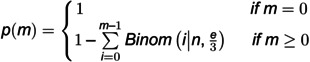 Figure 4
 Figure 5
 Figure 6
 Figure 7
 Figure 8
 Figure 9
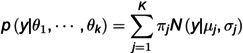 Figure 10
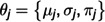 Figure 11
 Figure 12
 Figure 13
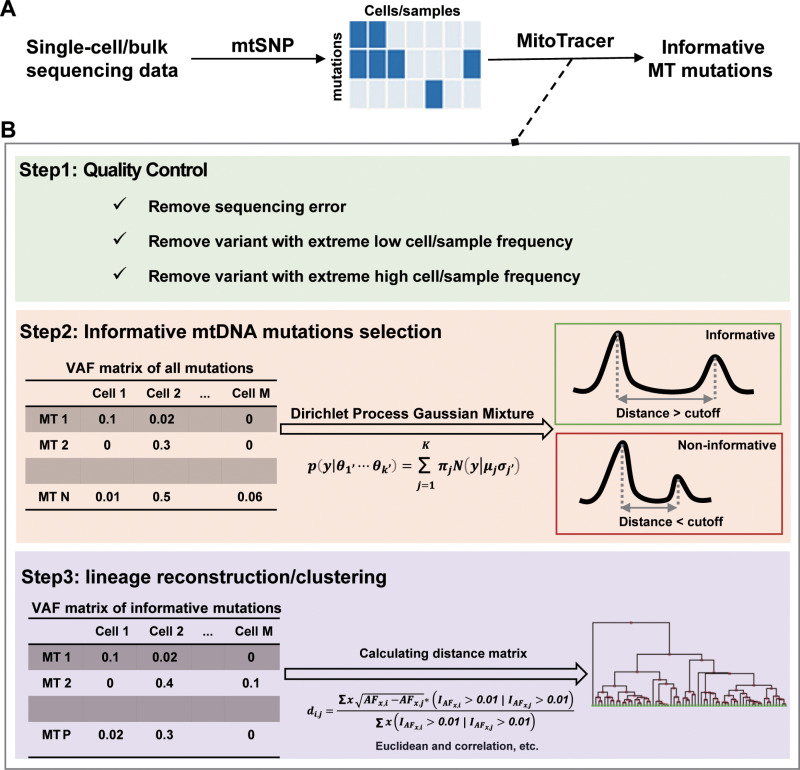 Figure 14
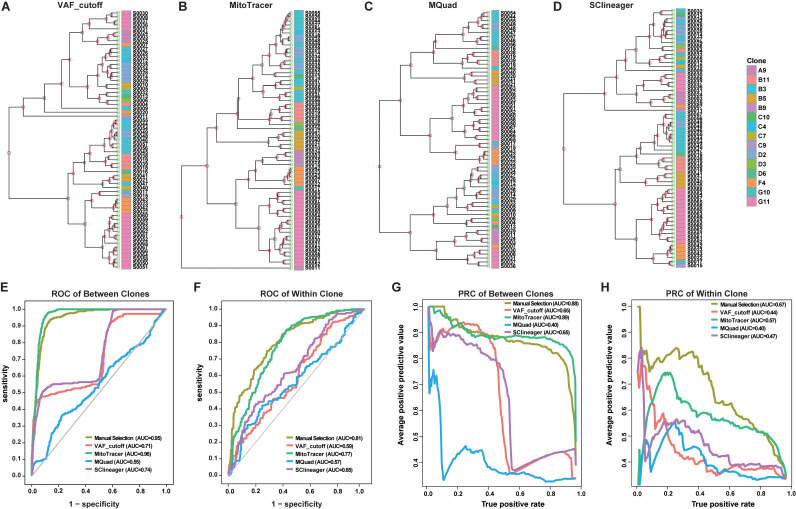 Figure 15
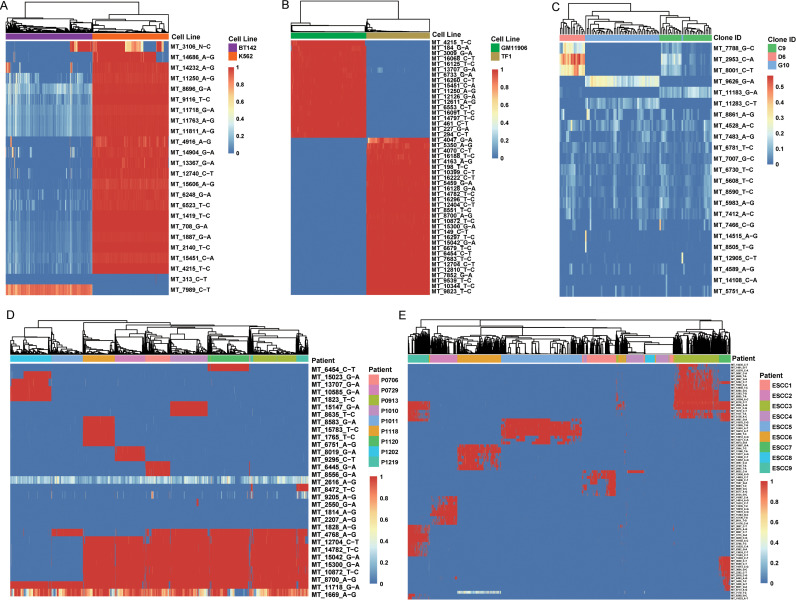 Figure 16
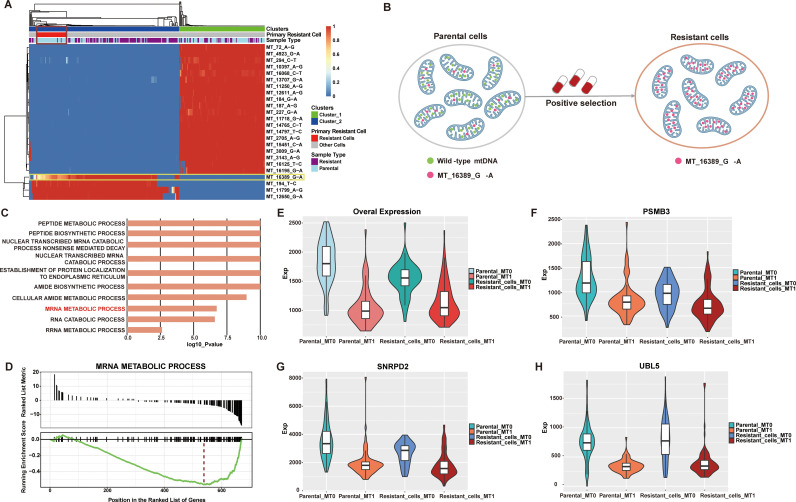 Figure 17
Peer Reviews
No public reviews on file for this paper yet. If you reviewed it on a platform where reviews are public (OpenReview, ICLR, NeurIPS, ICML), you can paste yours below so the community can read it here.
Videos
No videos yet. Explain this paper in a talk, walkthrough, or lecture? Add one.
Taxonomy
TopicsRNA modifications and cancer · Mitochondrial Function and Pathology · Cancer-related molecular mechanisms research