Identification of candidate genes for reproductive traits in Xinjiang sheep breeds based on genomic structural variation
Jiaqi Li, Sulaiman Yiming, Wenxin Zheng, Weiwei Wu, Jingdong Bi, Fengming Li, Mengting Zhu

TL;DR
This study identifies genes linked to reproductive traits in Xinjiang sheep by analyzing genomic structural variations across seven breeds.
Contribution
The study introduces a novel approach to identify candidate genes for reproductive traits using integrated SV detection and validation in local Xinjiang sheep breeds.
Findings
A total of 107,166 SVs were identified across seven sheep breeds, with deletions and duplications being the most common.
The Tuva sheep breed exhibited the highest number of breed-specific SVs.
Genes FSHR, ADCY5, and MTNR1A were confirmed to be associated with reproductive traits through experimental validation.
Abstract
Reproductive traits are among the most important economic characteristics in sheep farming. Structural variations (SVs) are extensively distributed across sheep genomes and can directly or indirectly affect gene expression through a variety of mechanisms, leading to phenotypic variation among individuals or breeds. In this study, we characterized genomic SVs and identified candidate genes related to germplasm traits in seven sheep breeds. Based on the genome sequences of 73 ewes, SVs were detected using Delly, Lumpy, and Manta software tools, and the results were integrated using SURVIVOR software, leading to the identification of 107,166 SVs. The proportions of deletions, duplications, insertions, inversions, and translocations were 48.39, 38.41, 6.96, 6.22, and 0.03%, respectively. Regarding SV distribution, the number of SVs per chromosome decreased with increasing chromosome number.…
Genes, proteins, chemicals, diseases, species, mutations and cell lines named across the full text — each resolved to its canonical identifier and authoritative record.
Click any figure to enlarge with its caption.
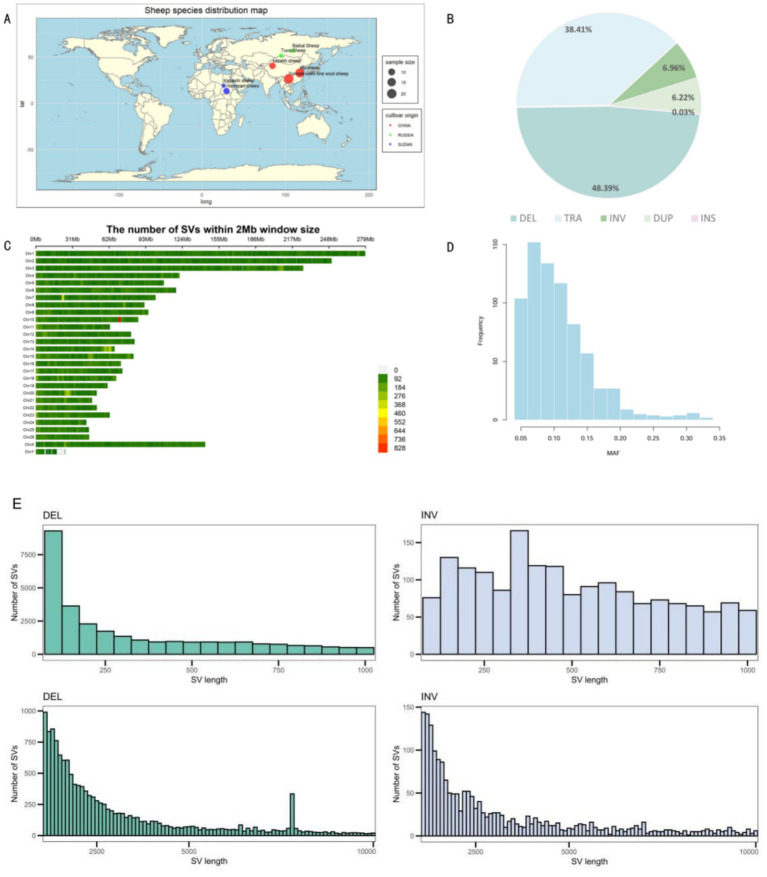 Figure 1
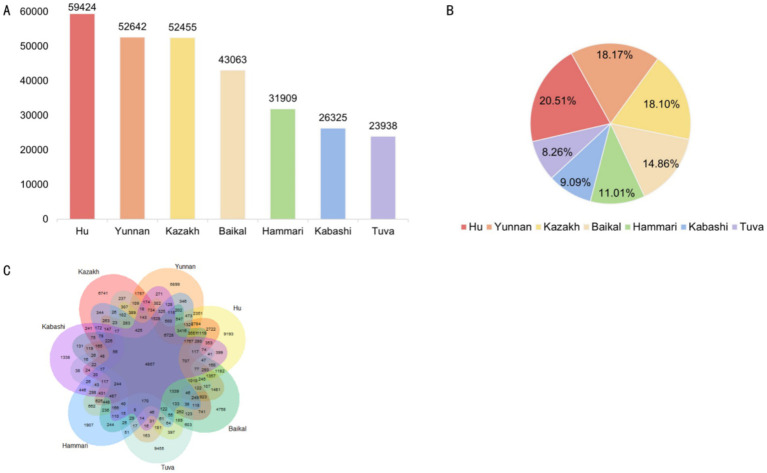 Figure 2
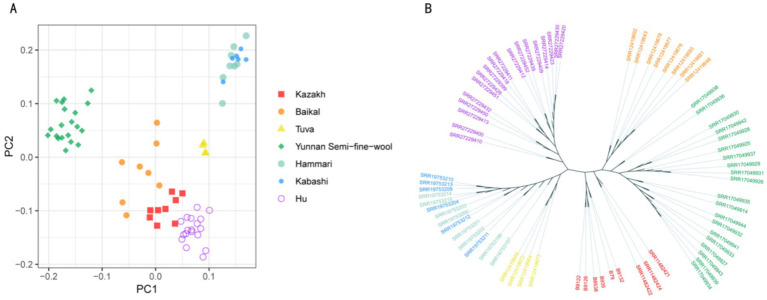 Figure 3
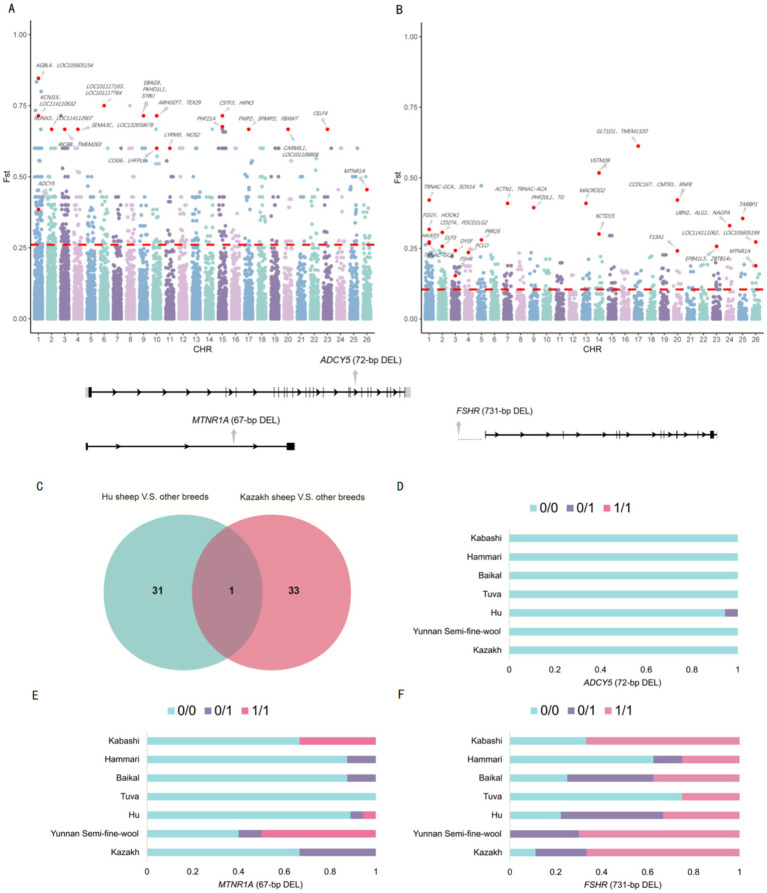 Figure 4
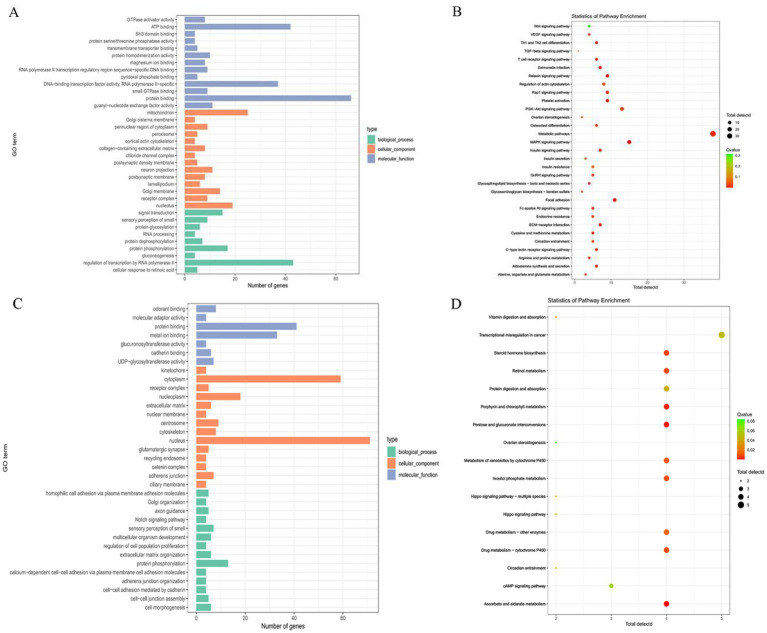 Figure 5
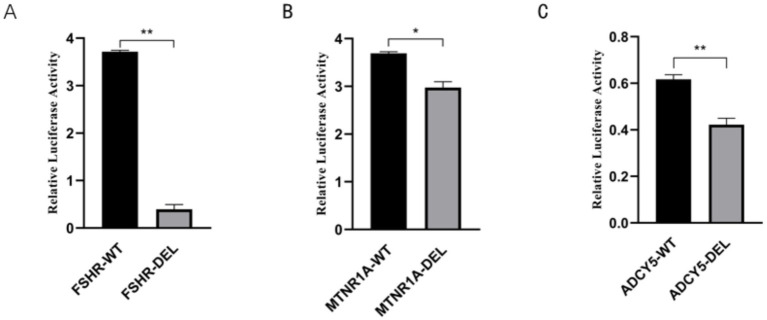 Figure 6
Peer Reviews
No public reviews on file for this paper yet. If you reviewed it on a platform where reviews are public (OpenReview, ICLR, NeurIPS, ICML), you can paste yours below so the community can read it here.
Videos
No videos yet. Explain this paper in a talk, walkthrough, or lecture? Add one.
Taxonomy
TopicsGenetic and phenotypic traits in livestock · Cancer-related molecular mechanisms research · Reproductive Physiology in Livestock