Changes in Iliopsoas Muscle Activity and Hip/Pelvic Kinematics With Variations in Step Length and Cadence at a Fixed Walking Speed
Takumi Jiroumaru, Michio Wachi, Yutaro Hyodo, Yasumasa Oka, Takamitsu Fujikawa

TL;DR
This study explores how changes in step length and cadence affect the iliopsoas muscle and hip/pelvic movement during walking, offering insights for gait training and fall prevention.
Contribution
The study identifies phase-specific changes in iliopsoas activation and hip/pelvic kinematics with altered gait patterns.
Findings
Iliopsoas activity was significantly higher during early and late stance phases in both step-length and pitch conditions.
Longer steps increased iliopsoas activation during late swing, accompanied by greater hip flexion and pelvic tilt.
Higher cadence increased iliopsoas activation during stance, likely due to faster step cycles.
Abstract
Background: Older adults often compensate for reduced mobility by adopting shorter steps and a faster cadence, which may alter muscle recruitment and joint kinematics. The iliopsoas, a key muscle for leg swing and posture control, is particularly affected. Understanding its role across different gait patterns may help improve gait training and fall prevention. Purpose: To investigate how step length and cadence influence iliopsoas muscle activation and hip/pelvic kinematics during treadmill walking at a constant speed. Methods: Ten healthy young men walked on a treadmill at 5 km/h under three conditions: (1) Step-Length Increased Walking (SL), longer steps with lower cadence; (2) Normal Walking (N), self-selected gait; and (3) Pitch Increased Walking (P), shorter steps with higher cadence. Iliopsoas activity was measured using surface electromyography, and hip/pelvic motion was…
Genes, proteins, chemicals, diseases, species, mutations and cell lines named across the full text — each resolved to its canonical identifier and authoritative record.
Click any figure to enlarge with its caption.
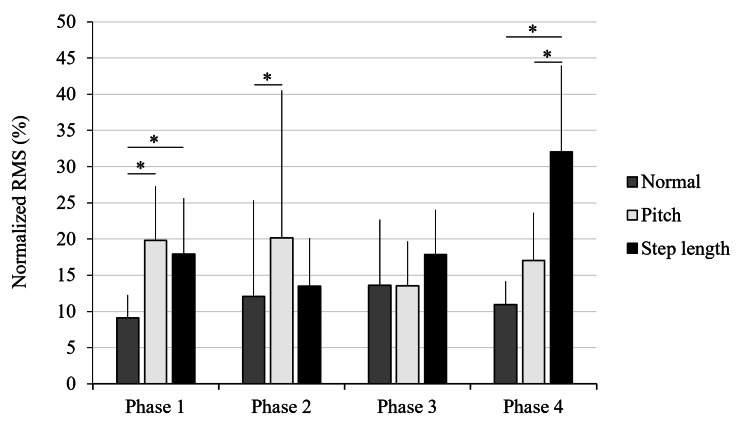 Figure 1
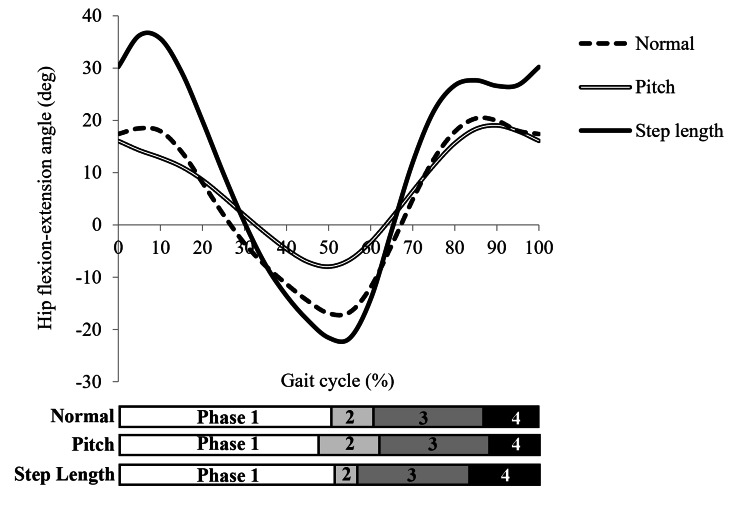 Figure 2
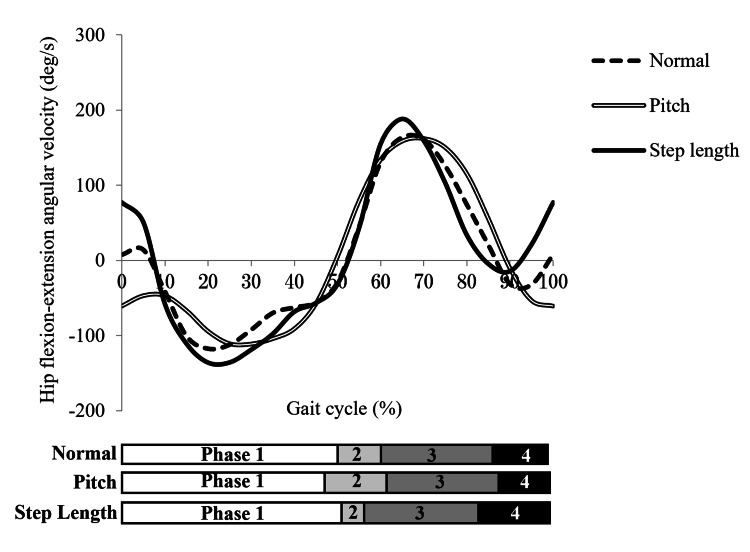 Figure 3
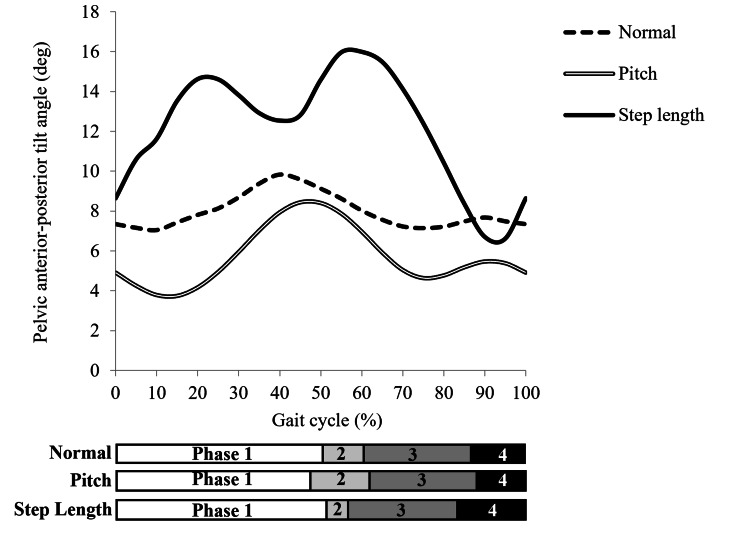 Figure 4
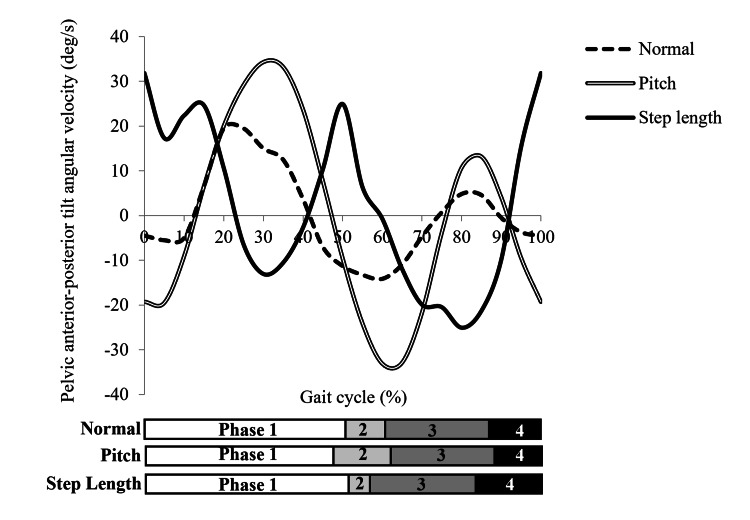 Figure 5
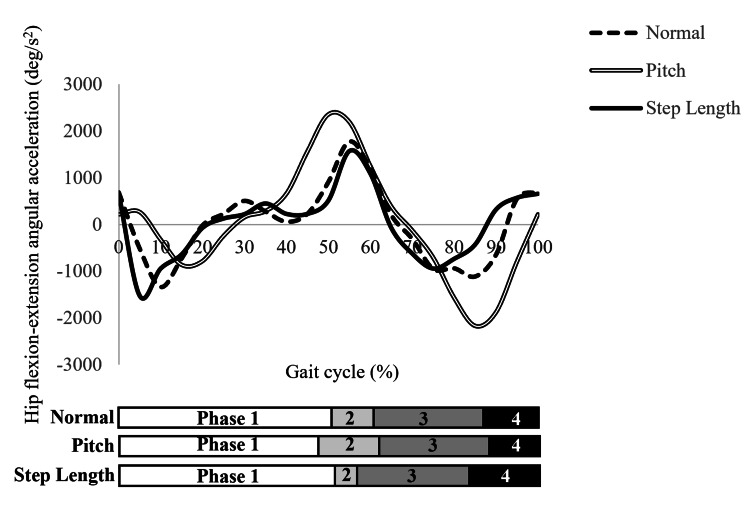 Figure 6
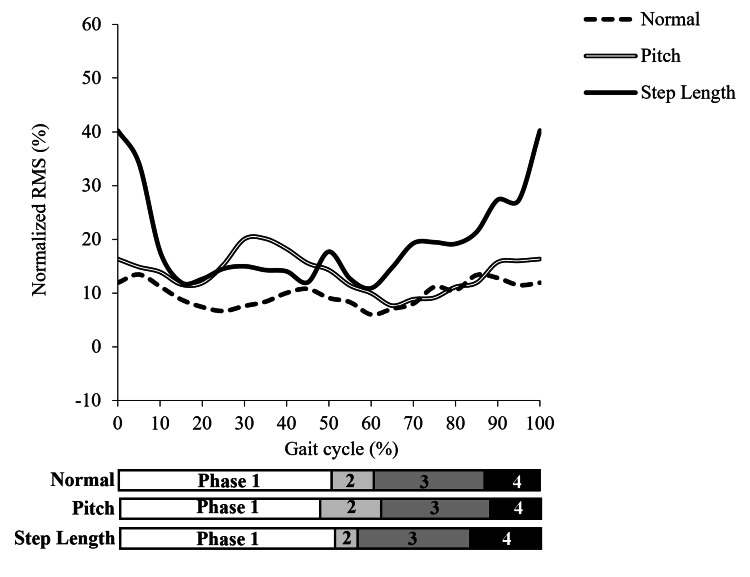 Figure 7
Peer Reviews
No public reviews on file for this paper yet. If you reviewed it on a platform where reviews are public (OpenReview, ICLR, NeurIPS, ICML), you can paste yours below so the community can read it here.
Videos
No videos yet. Explain this paper in a talk, walkthrough, or lecture? Add one.
Taxonomy
TopicsBalance, Gait, and Falls Prevention · Cerebral Palsy and Movement Disorders · Lower Extremity Biomechanics and Pathologies