Developing and Characterizing the Tumor-Targeting Efficiency of an Anti-EphA2-CD11b Bispecific Antibody
Peggy A. Birikorang, Dominic M. Menendez, Robert Edinger, Gary Kohanbash, W. Barry Edwards

TL;DR
This study develops a bispecific antibody that targets both EphA2 and CD11b to deliver treatments to tumors, showing it can be optimized for better tumor targeting.
Contribution
The paper introduces a novel bispecific antibody targeting EphA2 and CD11b for tumor-specific delivery and demonstrates its optimization strategies.
Findings
The bispecific antibody showed high tumor uptake in xenograft models at 4, 24, and 48 hours post-injection.
Blocking CD11b with nonradiolabeled antibodies increased tumor targeting while reducing uptake in CD11b-rich organs.
Lower molar activity improved tumor accumulation and reduced uptake in non-target organs.
Abstract
Targeting molecules, such as antibodies and peptides, play a key role in the precise delivery of cytotoxic payloads to tumor sites by binding to specific tumor-associated antigens or other proteins within the tumor microenvironment. This investigation evaluates the potential therapeutic application of a bispecific antibody (BsAb), which simultaneously targets EphA2, a tumor-associated antigen, and CD11b, a protein expressed by tumor-associated macrophages and myeloid-derived suppressor cells (TAMCs). Recombinantly produced anti-EphA2-CD11b-BsAb was conjugated to a bifunctional chelator, NOTA-SCN, and then radiolabeled with copper-64 (64Cu). The [64Cu]Cu-NOTA-anti-EphA2-CD11b-BsAb radioimmunoconjugate was subsequently administered to HT1080-fibrosarcoma-bearing nude mice via tail vein injection. Positron Emission Tomography (PET) and ex vivo biodistribution analyses were performed to…
Genes, proteins, chemicals, diseases, species, mutations and cell lines named across the full text — each resolved to its canonical identifier and authoritative record.
Click any figure to enlarge with its caption.
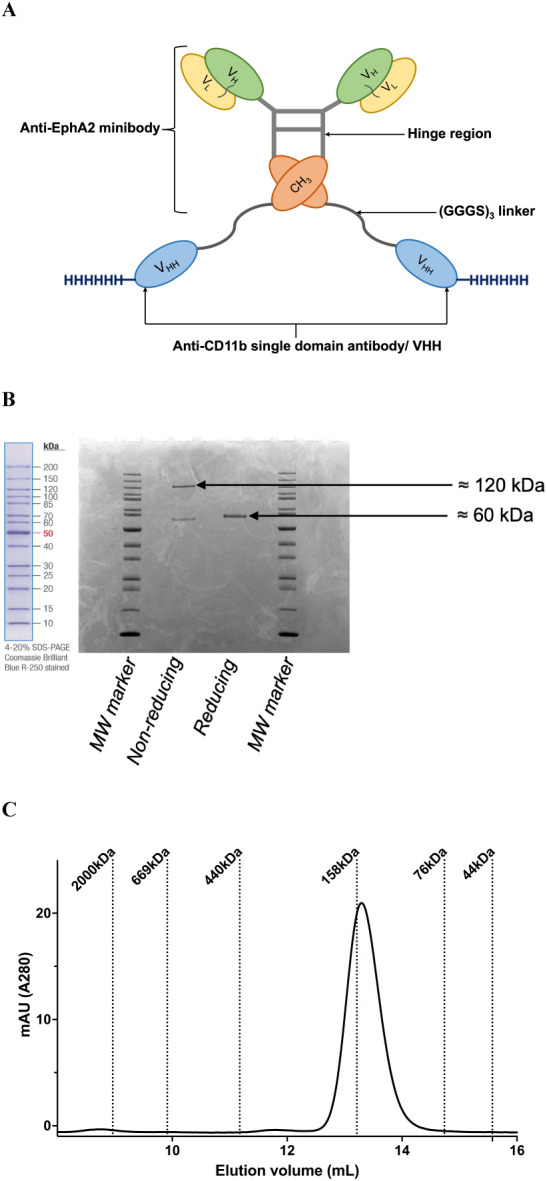 Figure 1
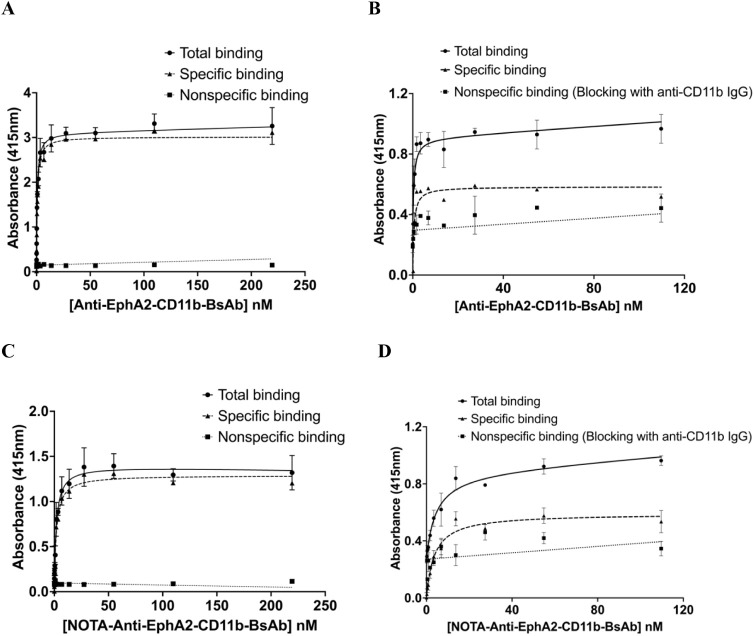 Figure 2
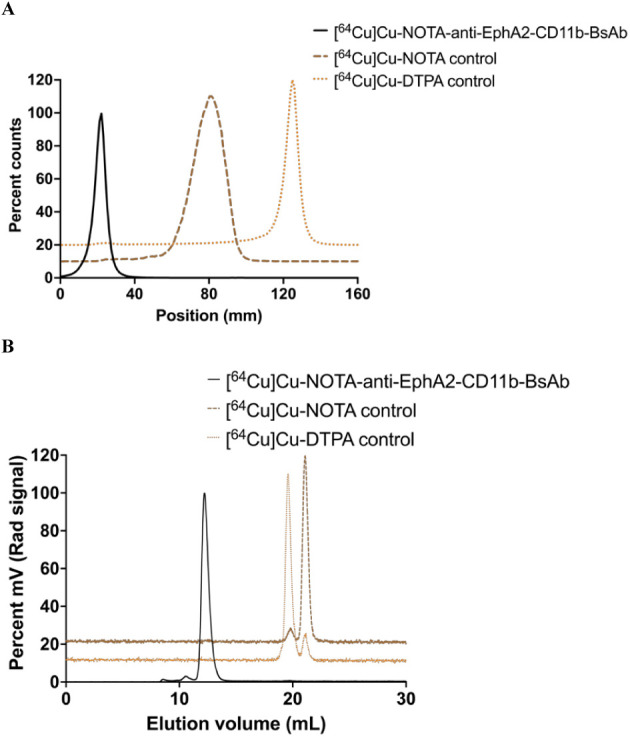 Figure 3
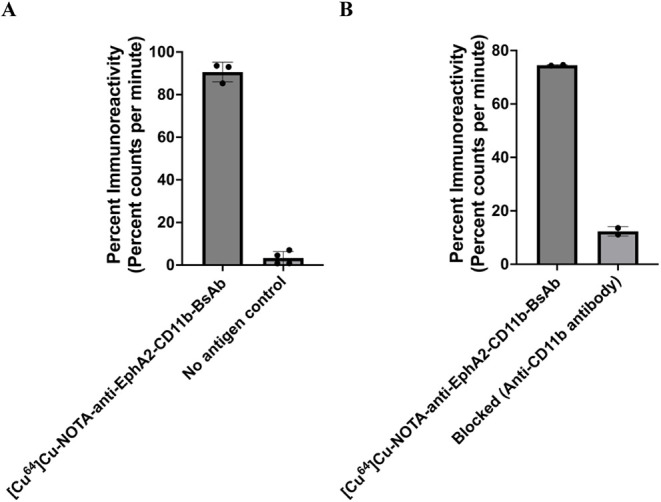 Figure 4
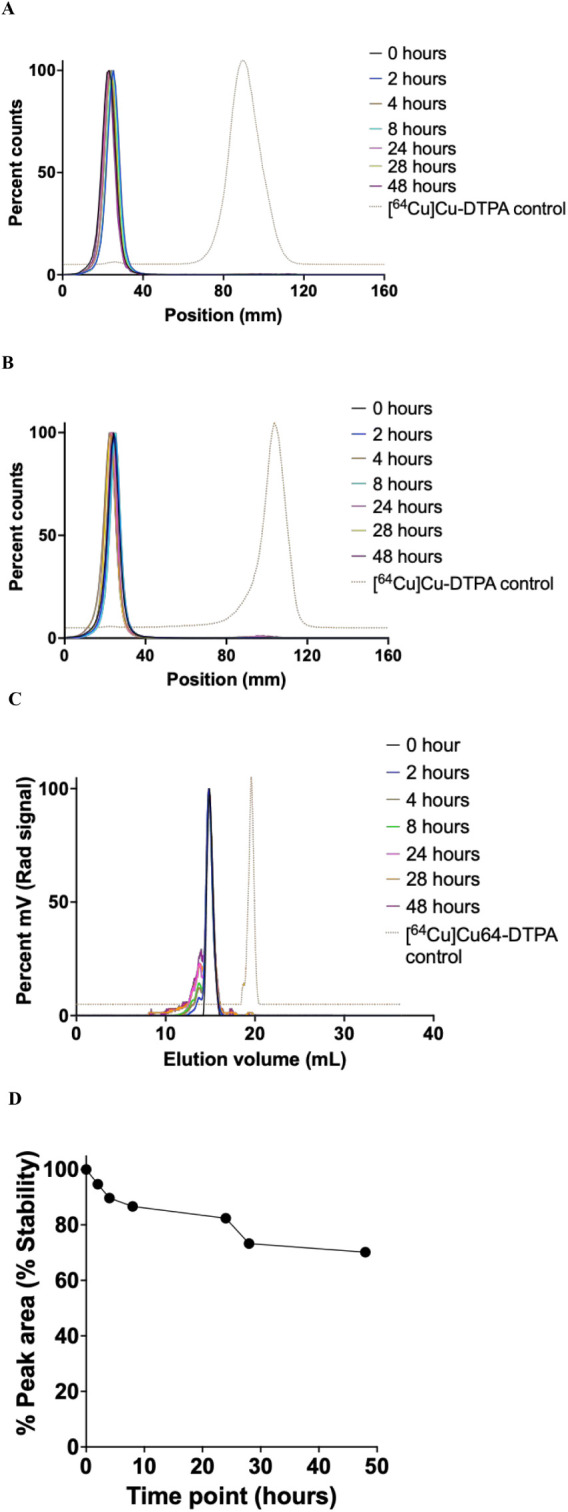 Figure 5
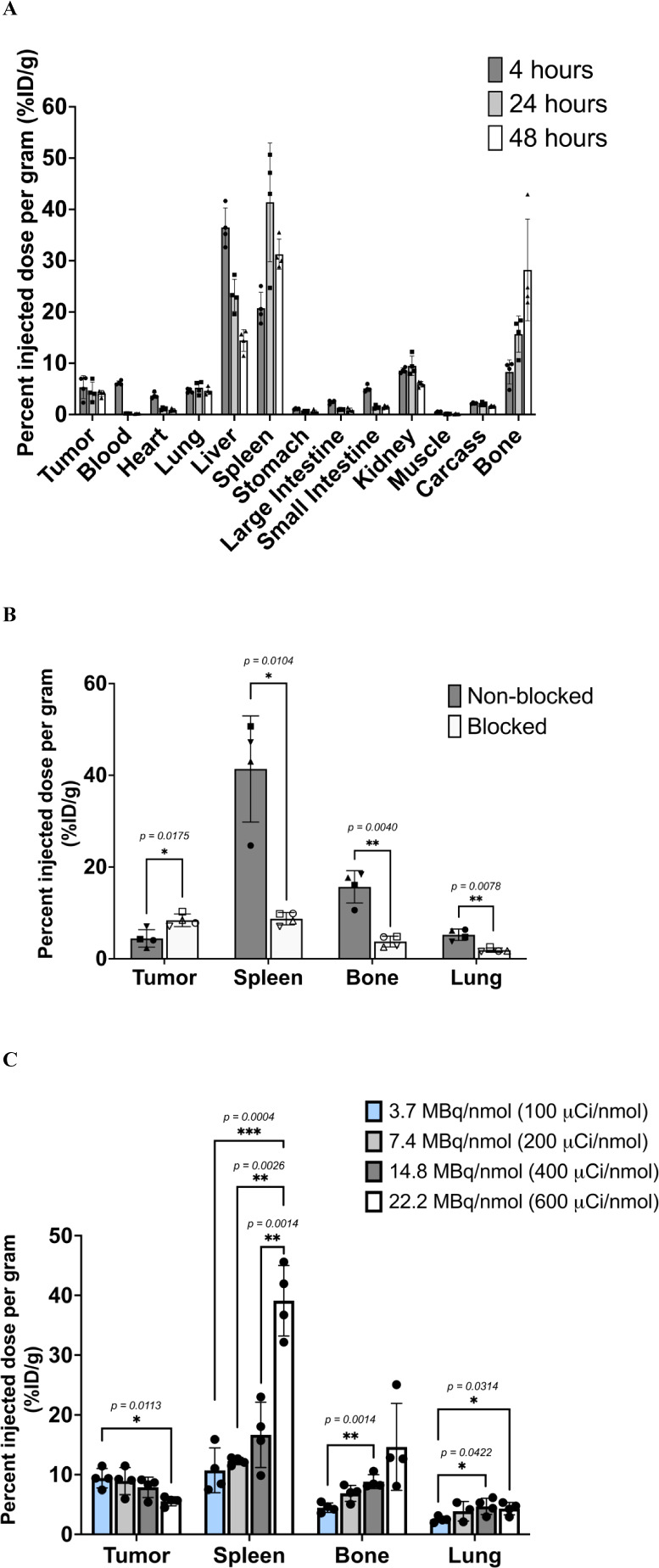 Figure 6
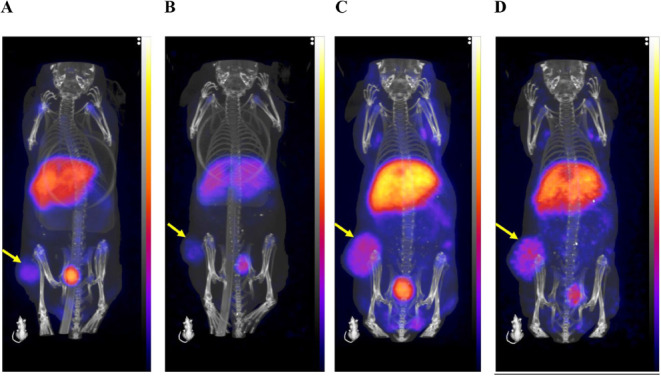 Figure 7
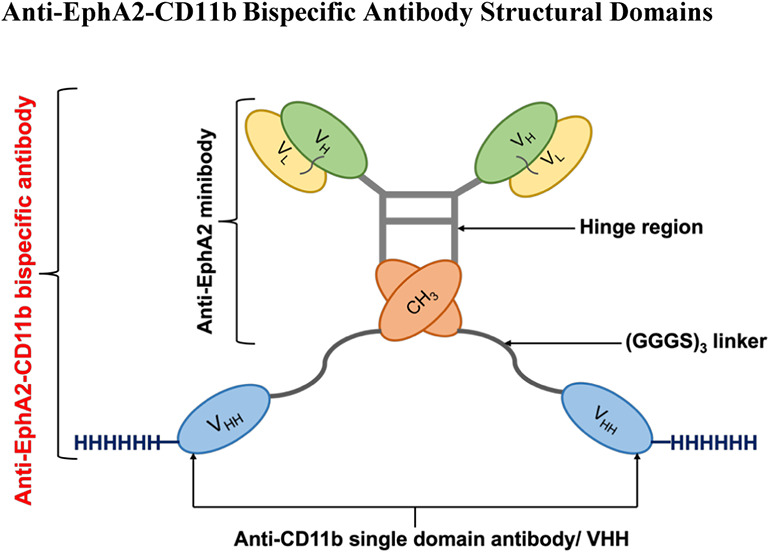 Figure 8
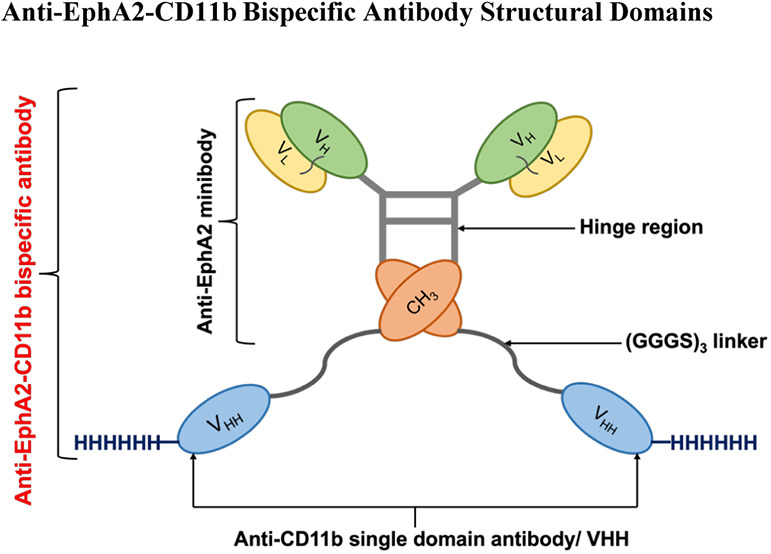 Figure 9
Peer Reviews
No public reviews on file for this paper yet. If you reviewed it on a platform where reviews are public (OpenReview, ICLR, NeurIPS, ICML), you can paste yours below so the community can read it here.
Videos
No videos yet. Explain this paper in a talk, walkthrough, or lecture? Add one.
Taxonomy
TopicsMonoclonal and Polyclonal Antibodies Research · HER2/EGFR in Cancer Research · Glycosylation and Glycoproteins Research