Task integration and anticipation in complex, continuous motor tasks
Patrick Beißel, Stefan Künzell

TL;DR
This study explores how combining tasks affects learning complex motor skills in a virtual reality setting.
Contribution
The research introduces a new method for studying task integration in continuous, complex motor tasks.
Findings
Task integration benefits complex task learning when task covariations are consistent.
Inconsistent or missing covariations hinder task integration and learning.
Minor inconsistencies in repeated sequences can be overcome.
Abstract
Multitasking and sequential motor learning research has advanced greatly in recent years, yet commonly accepted insights are largely based on simple, distinct tasks which cannot accurately reflect the variety of more complex and continuous tasks we encounter in everyday life. This study therefore aims to reassess the influence of task integration on motor sequence learning in complex, continuous tasks through the use of a virtual reality environment and an adapted SRT dual task suited for continuous movements. In our experiment, participants performed a complex, bimanual motor sequence task with varying degrees of suitability for task integration. We could successfully show that task integration has beneficial effects on complex task acquisition if covariations between tasks are consistent and detrimental effects if covariations are too inconsitent or missing. Minor inconsistencies…
Genes, proteins, chemicals, diseases, species, mutations and cell lines named across the full text — each resolved to its canonical identifier and authoritative record.
Click any figure to enlarge with its caption.
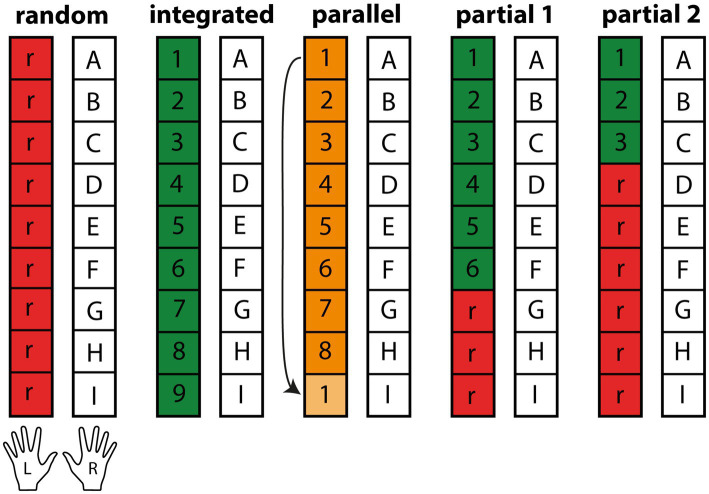 Figure 1
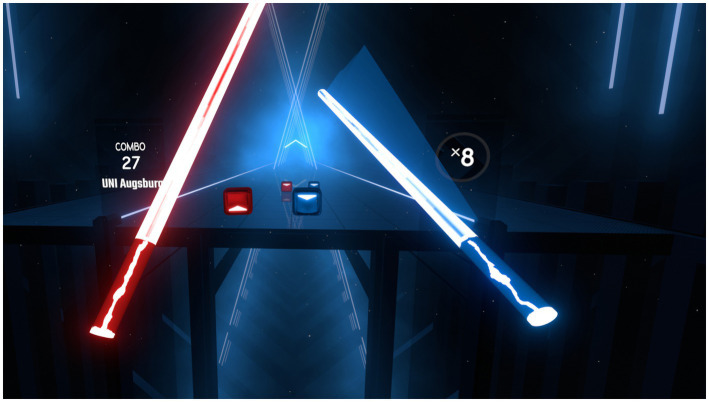 Figure 2
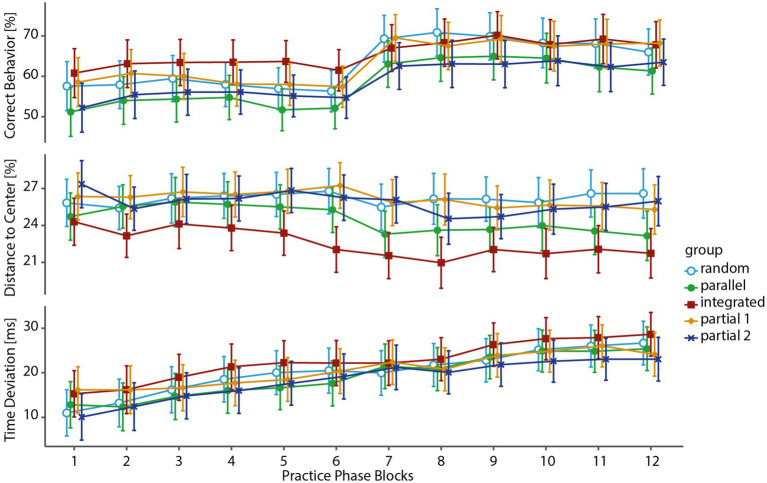 Figure 3
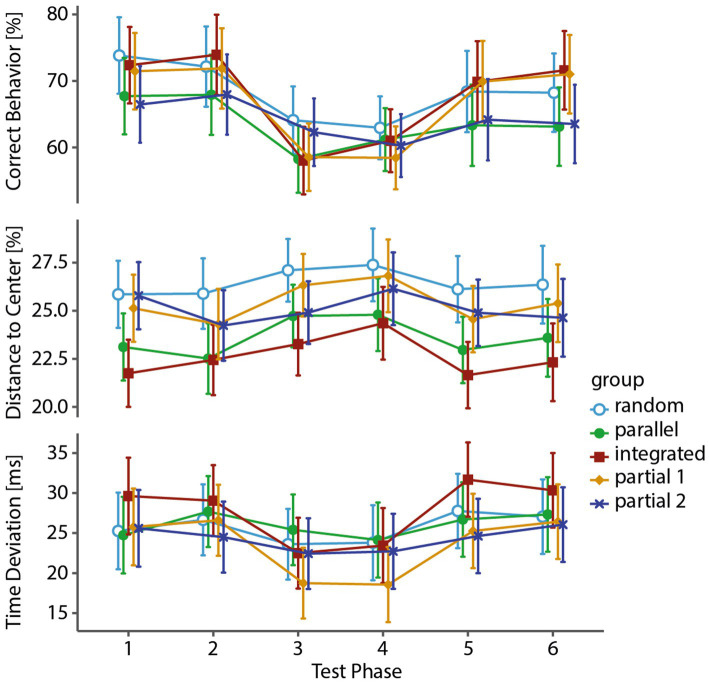 Figure 4
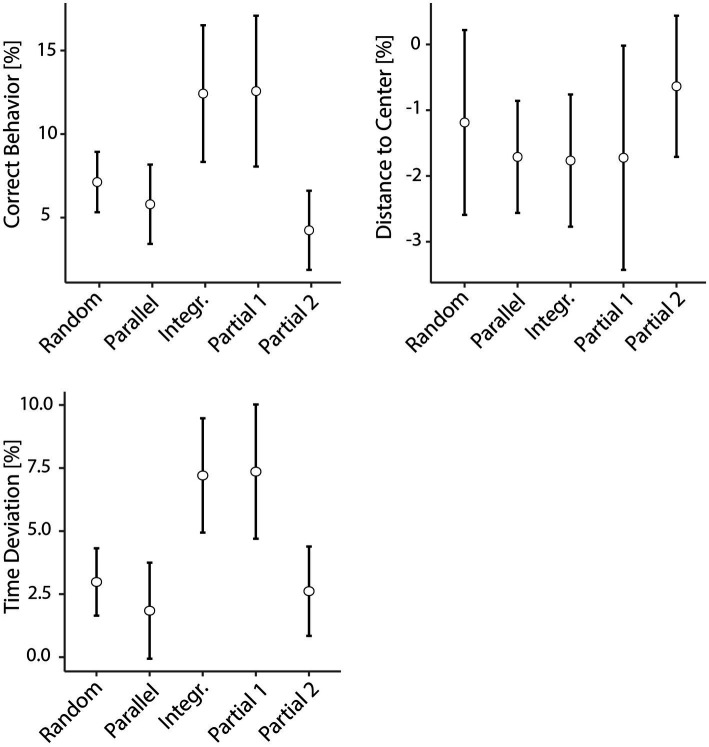 Figure 5
Peer Reviews
No public reviews on file for this paper yet. If you reviewed it on a platform where reviews are public (OpenReview, ICLR, NeurIPS, ICML), you can paste yours below so the community can read it here.
Videos
No videos yet. Explain this paper in a talk, walkthrough, or lecture? Add one.
Taxonomy
TopicsMotor Control and Adaptation · Action Observation and Synchronization · Sport Psychology and Performance