CDADC1 is a vertebrate-specific dCTP deaminase that metabolizes gemcitabine and decitabine to prevent cellular toxicity
Marcelo M. Rodriguez, Debashree Chatterjee, Johanna Guerry, Anne-Marie Patenaude, Charles C. H. Cohen, Therence Bois, Ariane Larouche, Silvana R. Ferreira, Thierry Bertomeu, Andrew Chatr-aryamontri, Li Zhang, Sylvie Mader, Corey Nislow, Guillaume St-Jean, Yvan Guindon

TL;DR
CDADC1 is a vertebrate enzyme that converts dCTP to dUTP and inactivates cancer drugs, affecting their efficacy and toxicity.
Contribution
CDADC1 is identified as a vertebrate-specific dCTP deaminase with a role in drug metabolism and toxicity.
Findings
CDADC1 converts dCTP to dUTP but is not essential for mammalian cell proliferation or mouse viability.
CDADC1 inactivates gemcitabine and decitabine, reducing their efficacy in cancer cells.
CDADC1 deficiency increases drug efficacy but also causes hypersensitivity to gemcitabine in mice.
Abstract
We identify CDADC1, an orphan enzyme unique to vertebrates, as a dCTP deaminase that produces dUTP. This reaction was previously reported only in some bacteria, where it supports de novo synthesis of dTTP. However, we rule out a main role of CDADC1 in dTTP biosynthesis, cell proliferation, or mouse viability. Nonetheless, CDADC1’s activity implies a role for dUTP in vertebrate cells, challenging the prevailing view of dUTP solely as a toxic byproduct. In addition, CDADC1 metabolizes and inactivates the nucleotide analogs gemcitabine and decitabine. CDADC1 deficiency in cancer cells increases these drugs’ efficacy but also protects mice from lethal gemcitabine-induced toxicity. We reveal a biochemical pathway in vertebrate nucleotide metabolism with clinical implications for optimizing gemcitabine and decitabine treatment. Cancer therapy is limited by resistance to standard-of-care…
Genes, proteins, chemicals, diseases, species, mutations and cell lines named across the full text — each resolved to its canonical identifier and authoritative record.
Click any figure to enlarge with its caption.
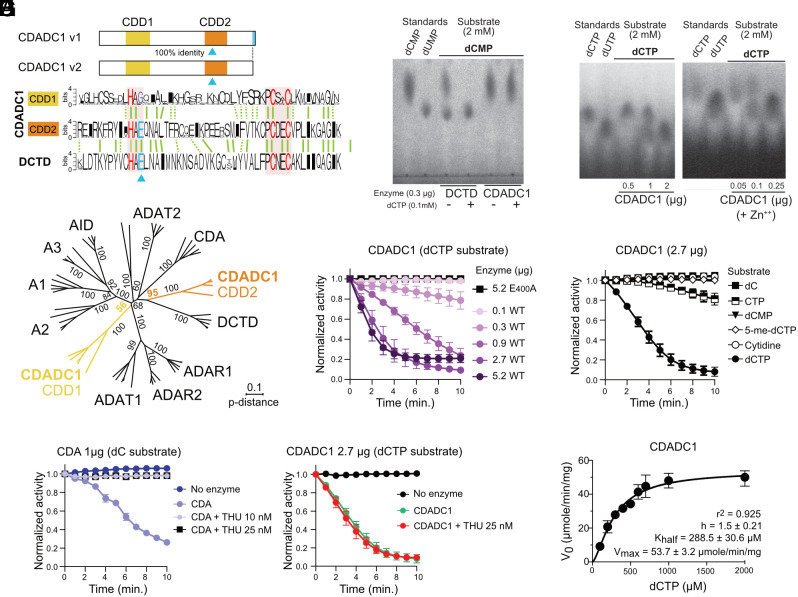 Figure 1
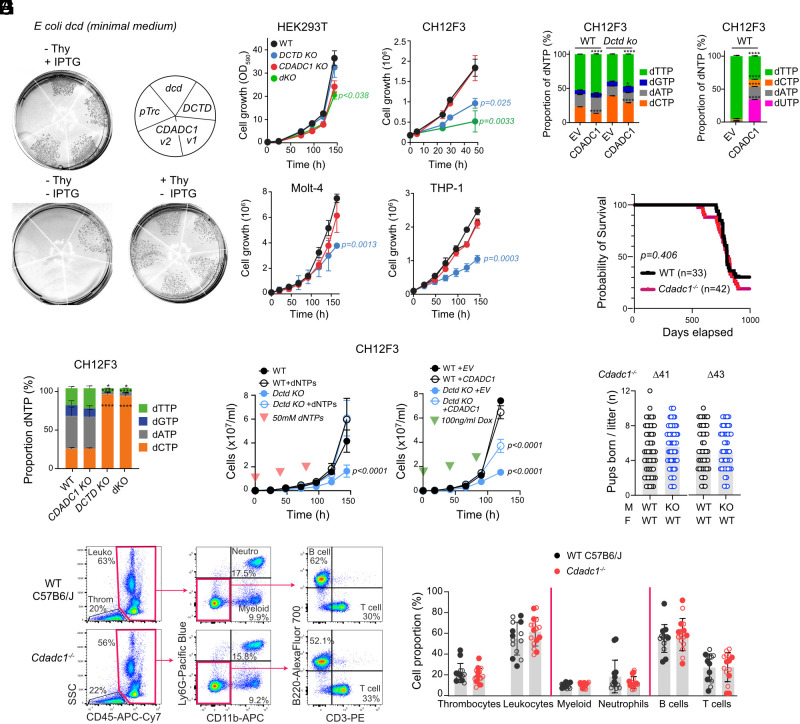 Figure 2
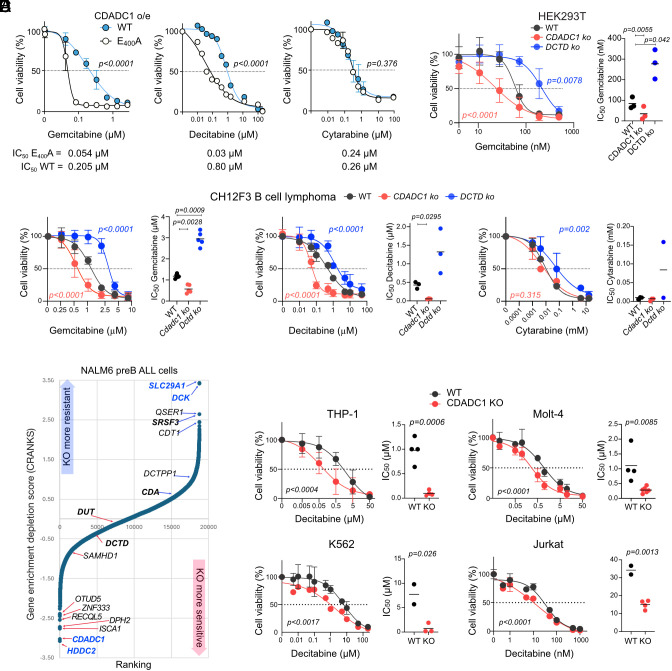 Figure 3
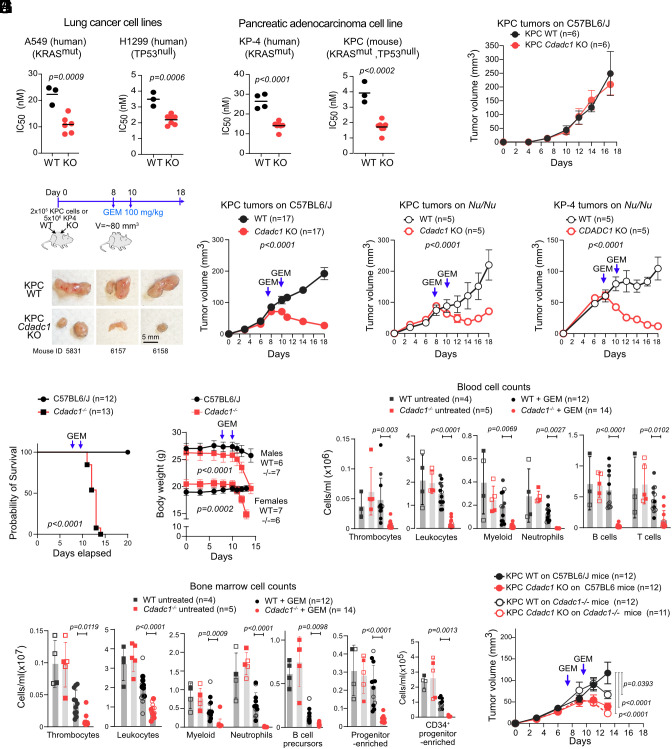 Figure 4
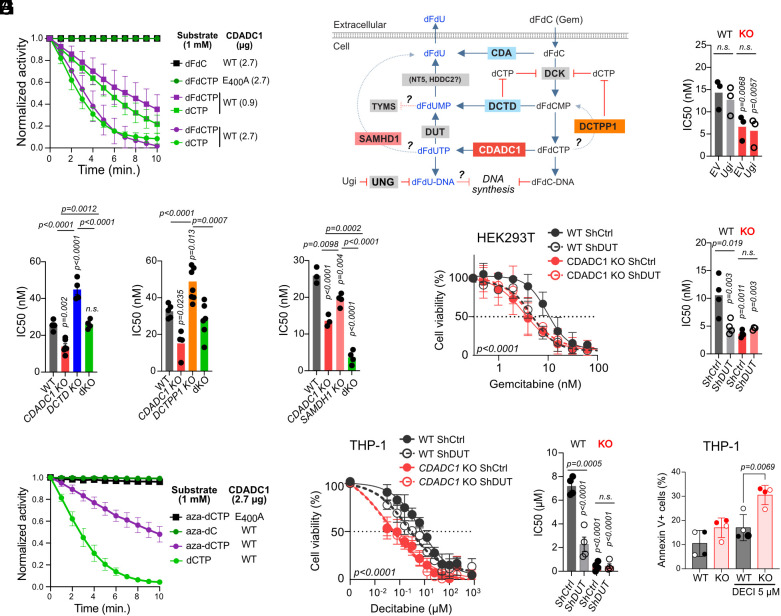 Figure 5
Peer Reviews
No public reviews on file for this paper yet. If you reviewed it on a platform where reviews are public (OpenReview, ICLR, NeurIPS, ICML), you can paste yours below so the community can read it here.
Videos
No videos yet. Explain this paper in a talk, walkthrough, or lecture? Add one.
Taxonomy
TopicsNeuroblastoma Research and Treatments · Lung Cancer Research Studies · Calcium signaling and nucleotide metabolism