Identification of Target Genes Using Innovative Screening Systems
Keisuke Sugita, Morito Kurata

TL;DR
This paper discusses how new screening systems, like CRISPR, help identify genes involved in cancer by analyzing mutations and cell interactions.
Contribution
The paper highlights the evolution of CRISPR screening and its integration with single-cell and spatial analyses for better cancer gene identification.
Findings
CRISPR screening has evolved to include single-cell and spatial analyses for studying cell interactions.
These advanced methods help identify essential genes for cancer survival and drug resistance.
Combining these technologies improves understanding of cancer progression and microenvironments.
Abstract
Advances in cancer biology have been achieved by the identification of oncogenes and tumor suppressor genes through the remarkable progression of next‐generation sequencing. New techniques, such as single‐cell analysis, help uncover cancer progression and heterogeneity. Reverse genetic screenings, including methods like random mutagenesis via retroviruses, transposons, RNA interference, and CRISPR, are useful for exploring gene functions and their roles in cancer. Especially in random mutagenesis, CRISPR screening and its modifications have recently emerged as powerful tools due to their comprehensiveness and simplicity in inducing genetic mutations. Initially, CRISPR screening focused on analyzing biological phenotypes in a cell population. It has since evolved to incorporate advanced techniques, such as combining single‐cell and spatial analyses. These developments enable the…
Genes, proteins, chemicals, diseases, species, mutations and cell lines named across the full text — each resolved to its canonical identifier and authoritative record.
Click any figure to enlarge with its caption.
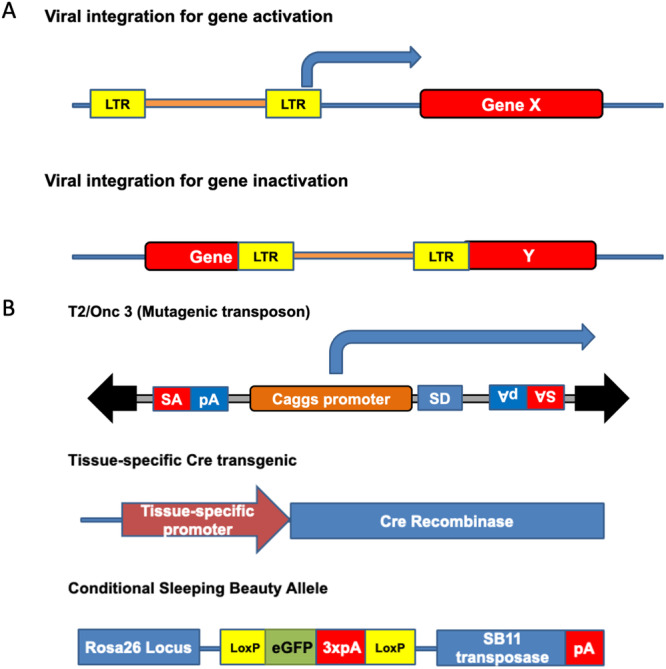 Figure 1
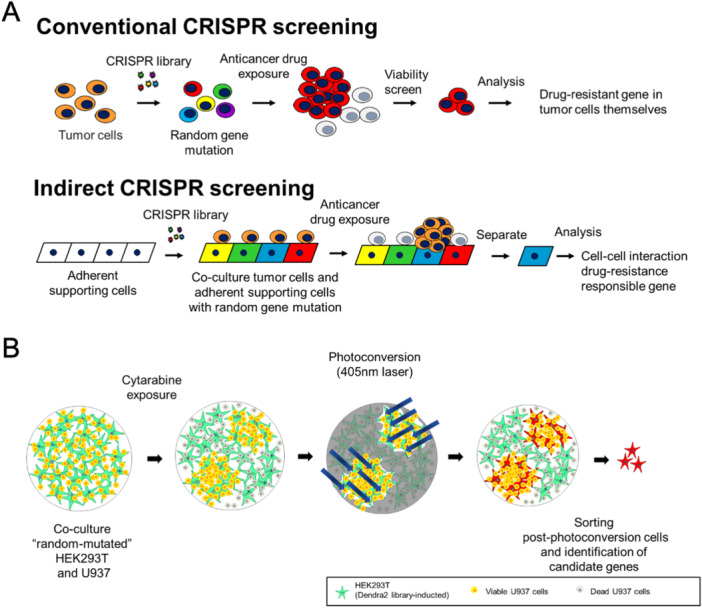 Figure 2
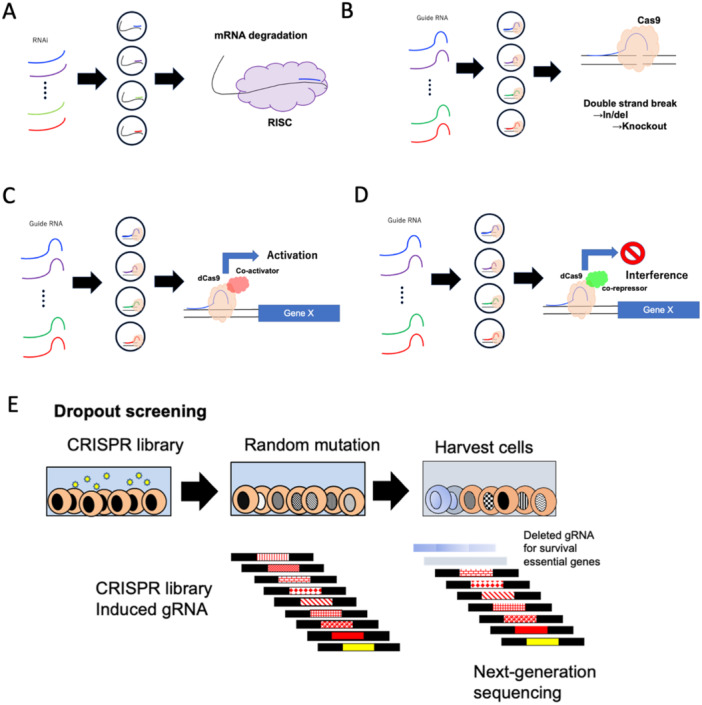 Figure 3
Peer Reviews
No public reviews on file for this paper yet. If you reviewed it on a platform where reviews are public (OpenReview, ICLR, NeurIPS, ICML), you can paste yours below so the community can read it here.
Videos
No videos yet. Explain this paper in a talk, walkthrough, or lecture? Add one.
Taxonomy
TopicsCRISPR and Genetic Engineering · Single-cell and spatial transcriptomics · Advanced biosensing and bioanalysis techniques