Bioactive peptides PDBSN improve mitochondrial function and suppression the oxidative stress in human adiposity cells
Huiping Shen, Yong Lei, Wen Xie, Tieliang Ma, Li Bao, Qin Gao, Bingyu Chen, Biao Dai, Dani Qin

TL;DR
A bioactive peptide called PDBSN improves mitochondrial function and reduces oxidative stress in human fat cells, which could help treat obesity and related metabolic diseases.
Contribution
PDBSN's novel ability to enhance mitochondrial function and reduce oxidative stress in adipocytes is demonstrated for the first time.
Findings
PDBSN increased mitochondrial membrane potential and reduced triglyceride and ROS levels in adipocytes.
PDBSN upregulated genes and proteins related to mitochondrial biogenesis and function.
PDBSN improved maximum respiratory capacity and altered mitochondrial fusion and fission markers.
Abstract
Mitochondria are essential for generating cellular energy and are significant in the pathogenesis of obesity. Human visceral and subcutaneous preadipocytes (HPA-v and HPA-s) were cultured into mature adipocytes. Intracellular triglyceride (TG) content was assessed using oil-red O staining and tissue triglyceride determination. Mitochondrial membrane potential (MMP) and reactive oxygen species (ROS) levels were measured with fluorescent indicators. Gene and protein expression related to mitochondrial biogenesis were analyzed by real-time quantitative PCR and Western blotting. Morphological changes were observed via electron microscopy. Results show that PDBSN significantly increased MMP while decreasing TG and ROS levels. The transcription and protein levels of PGC1-α and MTFA were upregulated, and mitochondrial fusion and fission markers (MFN1, MFN2, NRF1, DRP1) were elevated.…
Genes, proteins, chemicals, diseases, species, mutations and cell lines named across the full text — each resolved to its canonical identifier and authoritative record.
Click any figure to enlarge with its caption.
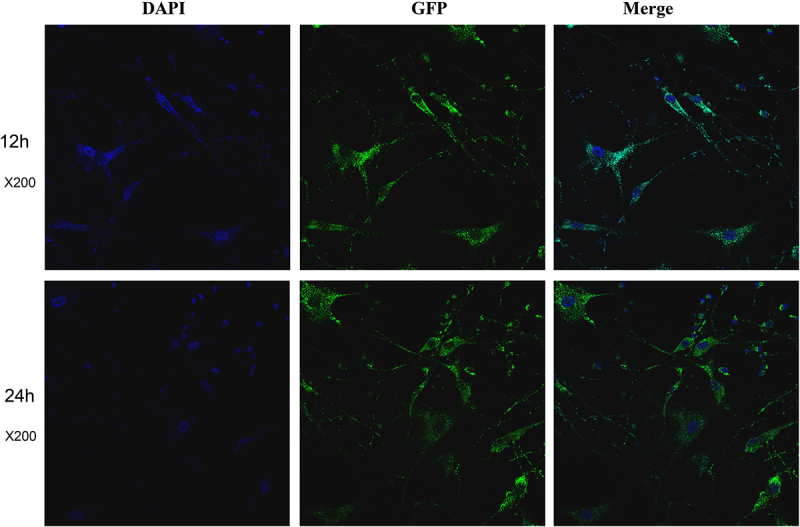 Figure 1
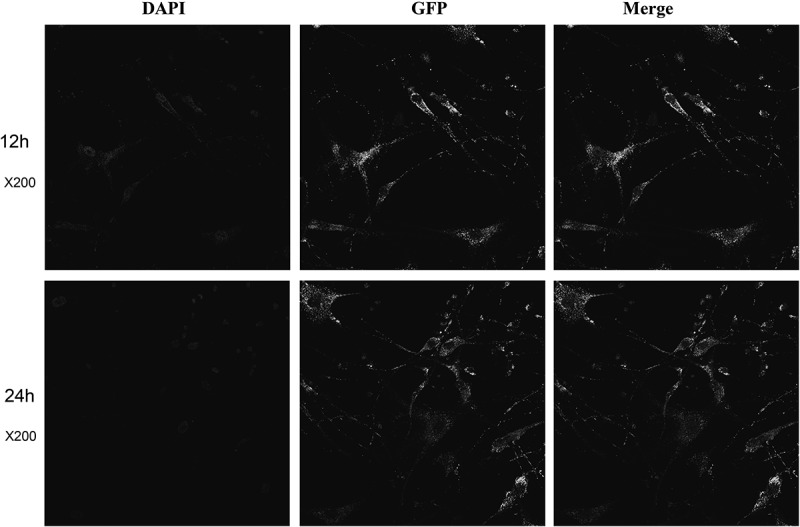 Figure 2
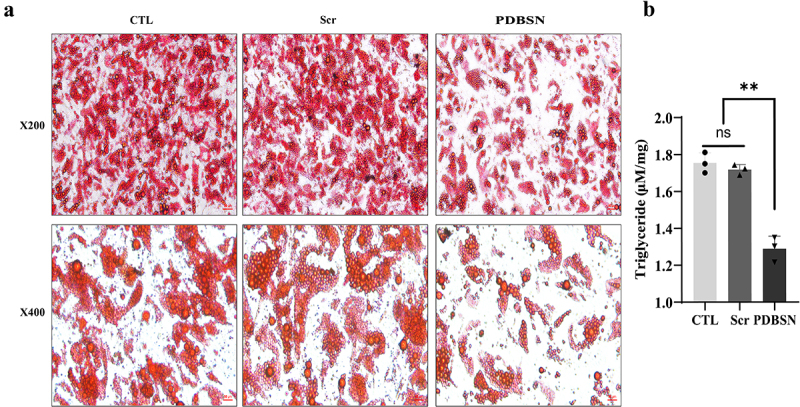 Figure 3
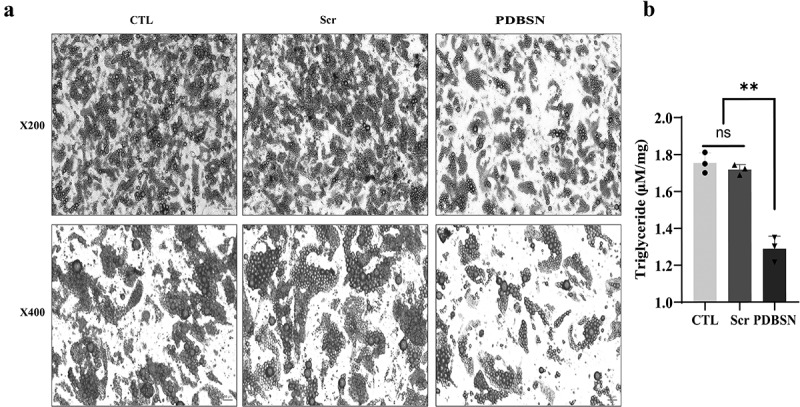 Figure 4
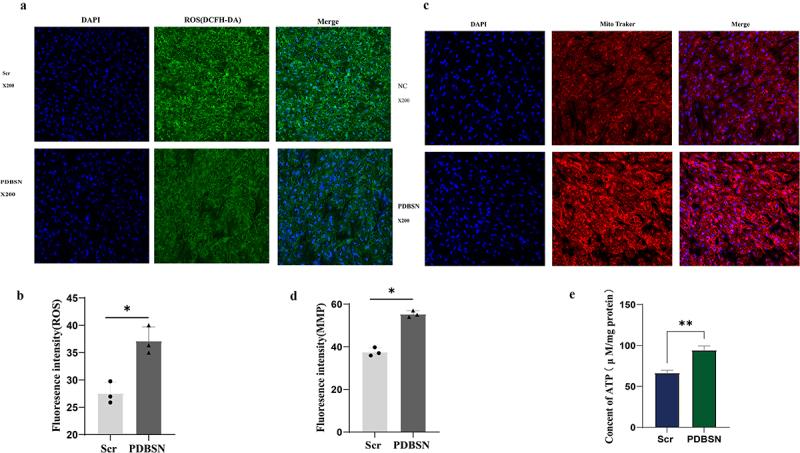 Figure 5
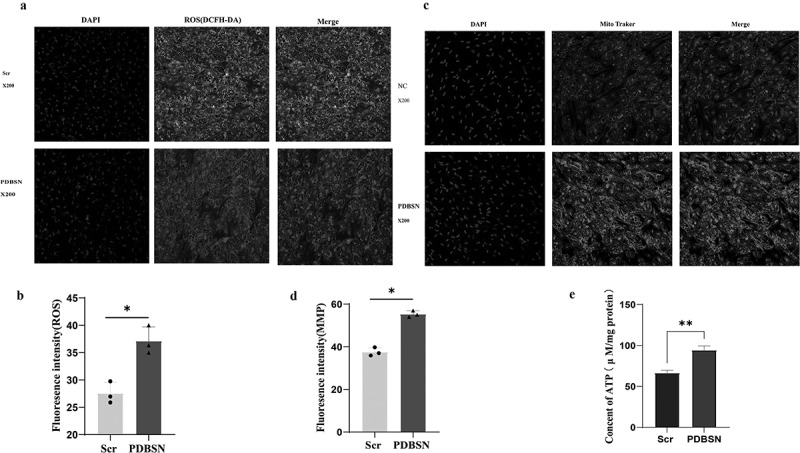 Figure 6
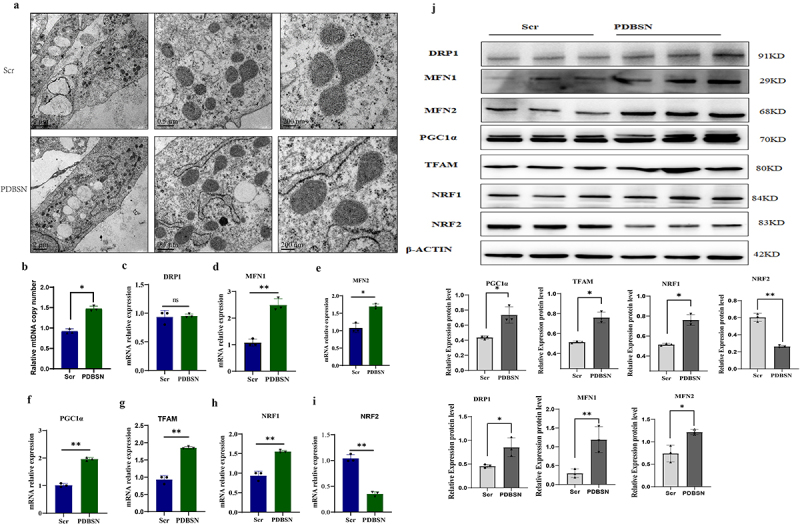 Figure 7
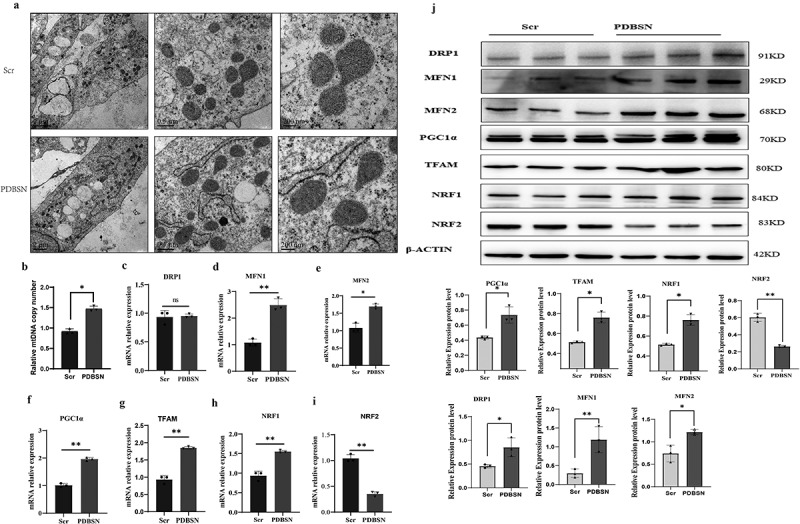 Figure 8
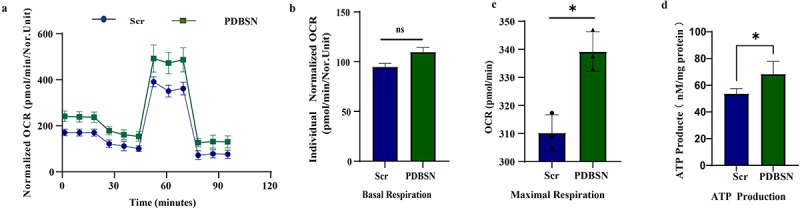 Figure 9
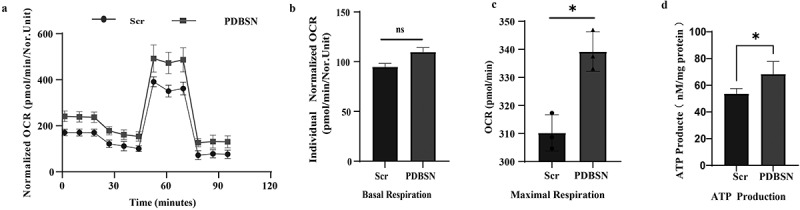 Figure 10
Peer Reviews
No public reviews on file for this paper yet. If you reviewed it on a platform where reviews are public (OpenReview, ICLR, NeurIPS, ICML), you can paste yours below so the community can read it here.
Videos
No videos yet. Explain this paper in a talk, walkthrough, or lecture? Add one.
Taxonomy
TopicsAdipose Tissue and Metabolism · Cancer, Hypoxia, and Metabolism · Sirtuins and Resveratrol in Medicine