Exploring the potential mechanisms of m6A modification in septic acute respiratory distress syndrome: a bioinformatics analysis
Shaoyang Zhang, Qinghui Fu, Zhipeng Xu, Mingjie Fu, Jianfeng Zhao, Wenqiao Yu

TL;DR
This study explores how m6A modification, specifically through the WTAP gene, contributes to the development of ARDS in sepsis patients.
Contribution
The study identifies WTAP as a key m6A regulator in ARDS and links it to immune cell infiltration and disease progression.
Findings
WTAP, HNRNPA2B1, and HNRNPC show extensive expression in the ARDS microenvironment.
WTAP variation correlates with distinct sepsis subgroups and is associated with the brown gene module.
WTAP promotes ARDS progression by enhancing m6A methylation and immune cell infiltration.
Abstract
Acute respiratory distress syndrome (ARDS) remains a leading cause of mortality in intensive care units. The N6-methyladenosine (m6A) mRNA modification is critical in various pathological conditions, yet its role in the ARDS microenvironment, particularly at the single-cell level, remains poorly understood. Single-cell and bulk RNA-sequencing datasets were sourced from the GEO databases. Bioinformatics and experimental approaches were employed to investigate the associations between m6A regulators and hub genes in ARDS. WTAP, HNRNPA2B1, and HNRNPC exhibited extensive expression within the ARDS microenvironment. Consensus clustering analysis segregated patients with sepsis into distinct subgroups, with WTAP showing significant variation across these groups. Weighted gene co-expression network analysis (WGCNA) identified the brown module as most associated with WTAP, revealing five hub…
Genes, proteins, chemicals, diseases, species, mutations and cell lines named across the full text — each resolved to its canonical identifier and authoritative record.
Click any figure to enlarge with its caption.
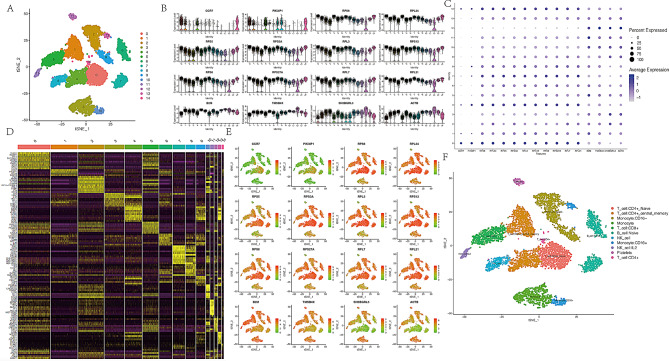 Figure 1
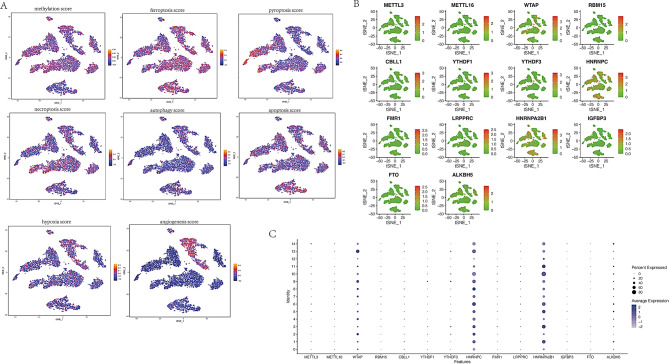 Figure 2
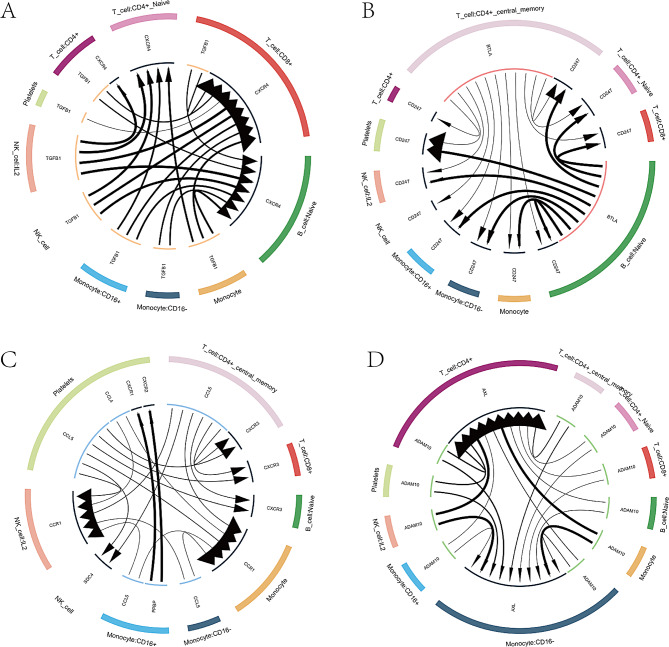 Figure 3
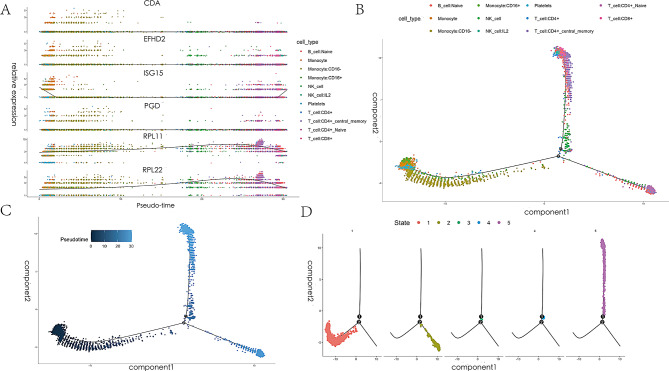 Figure 4
 Figure 5
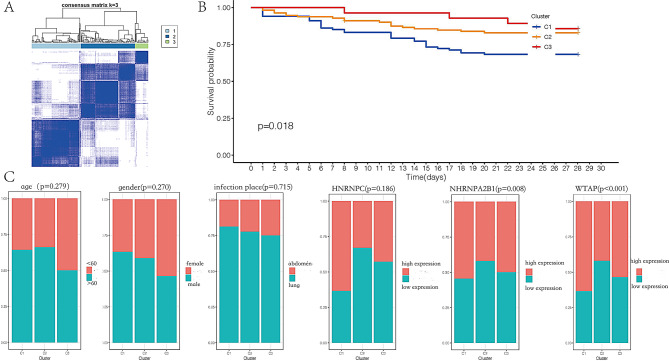 Figure 6
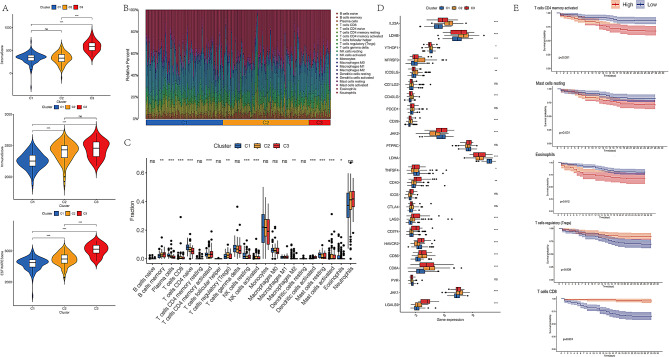 Figure 7
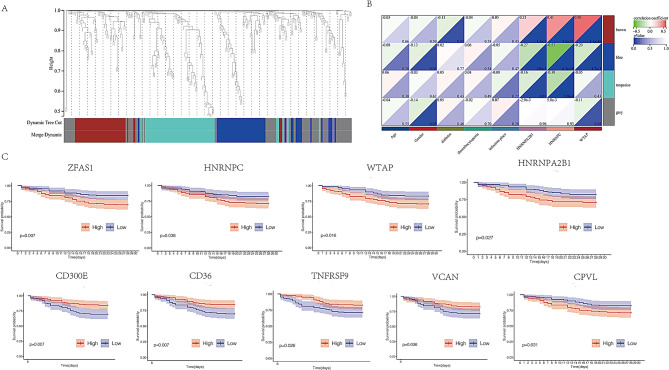 Figure 8
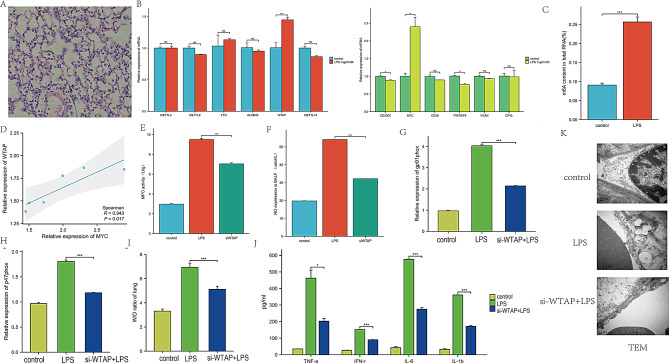 Figure 9
Peer Reviews
No public reviews on file for this paper yet. If you reviewed it on a platform where reviews are public (OpenReview, ICLR, NeurIPS, ICML), you can paste yours below so the community can read it here.
Videos
No videos yet. Explain this paper in a talk, walkthrough, or lecture? Add one.
Taxonomy
TopicsRNA modifications and cancer · Cardiac Structural Anomalies and Repair · Cardiac tumors and thrombi