A Trade-off between Force and Flow May Lead to Reduced Entropy Production Rate during Faster Microbial Growth
Maarten J. Droste, Maaike Remeijer, Robert Planqué, Frank J. Bruggeman

TL;DR
This paper explores how microbes might reduce their energy waste during faster growth by changing their metabolic strategies.
Contribution
The paper introduces a general criterion to predict when energy waste per biomass decreases during metabolic shifts in microbes.
Findings
Optimizing resource allocation can lead to metabolic pathways with lower driving force but higher flux.
A general criterion is derived to predict when energy waste per biomass decreases during metabolic switches.
Experiments are proposed to test if energy waste can decrease with faster microbial growth.
Abstract
Thermodynamics dictates that the entropy production rate (EPR) of a steady-state isothermal chemical reaction network rises with reaction rates. Living cells can, in addition, alter reaction rates by changing enzyme concentrations, giving them control over metabolic activities. Here, we ask whether microbial cells can break this relation between EPR and reaction rates by shifting to a metabolism with lower thermodynamic driving force (per unit of biomass) at faster growth. First, we study an example metabolic network to illustrate that maximization of metabolic flux by optimal allocation of resources can indeed lead to selection of a pathway with a lower driving force. This pathway then compensates for the reduction in driving force by relying on fewer enzymes with sufficiently increased concentrations, resulting in a higher flux. Next, we investigate the EPR per unit biomass of…
Genes, proteins, chemicals, diseases, species, mutations and cell lines named across the full text — each resolved to its canonical identifier and authoritative record.
Click any figure to enlarge with its caption.
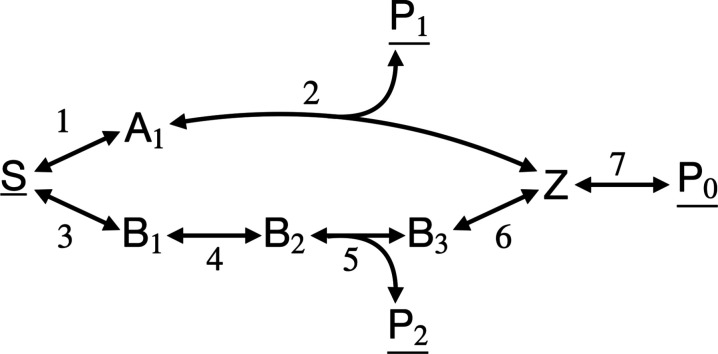 Figure 1
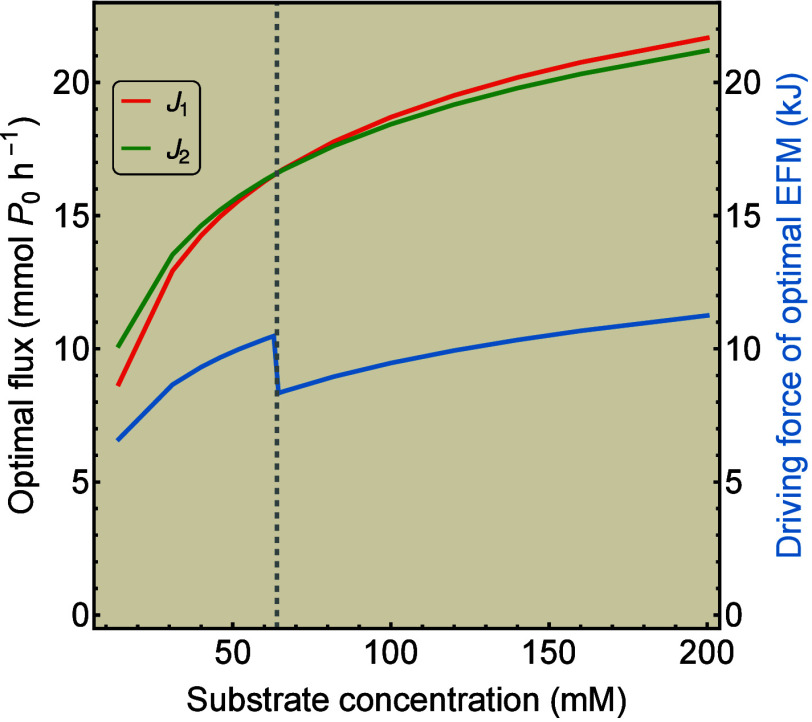 Figure 2
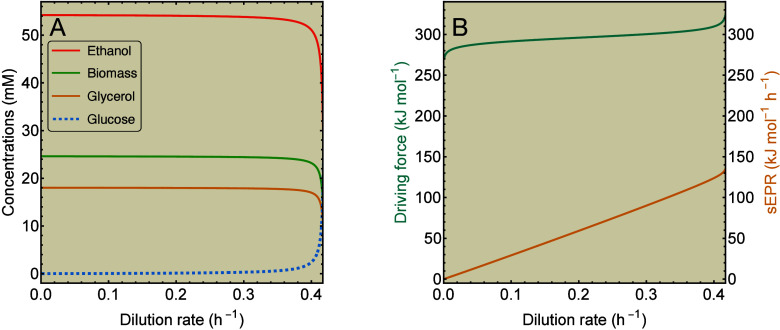 Figure 3
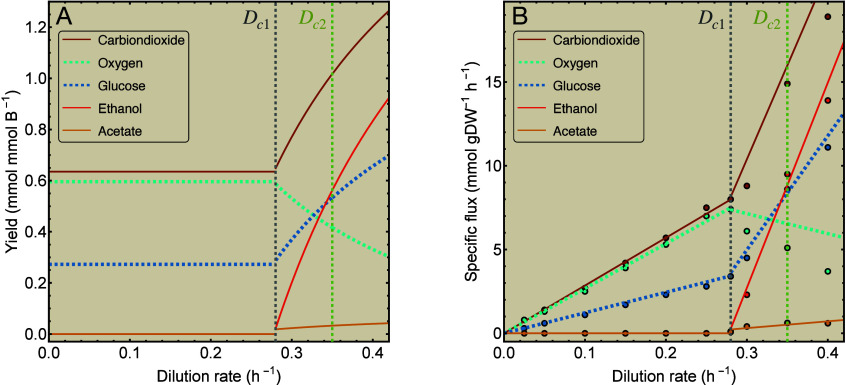 Figure 4
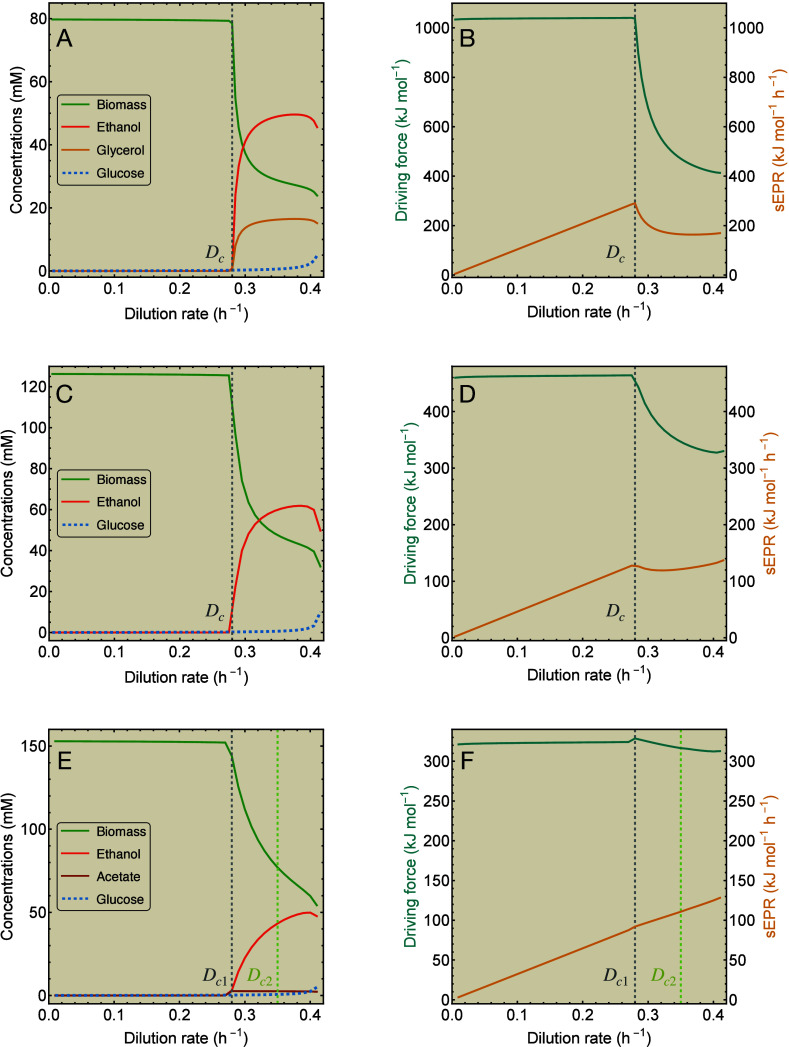 Figure 5
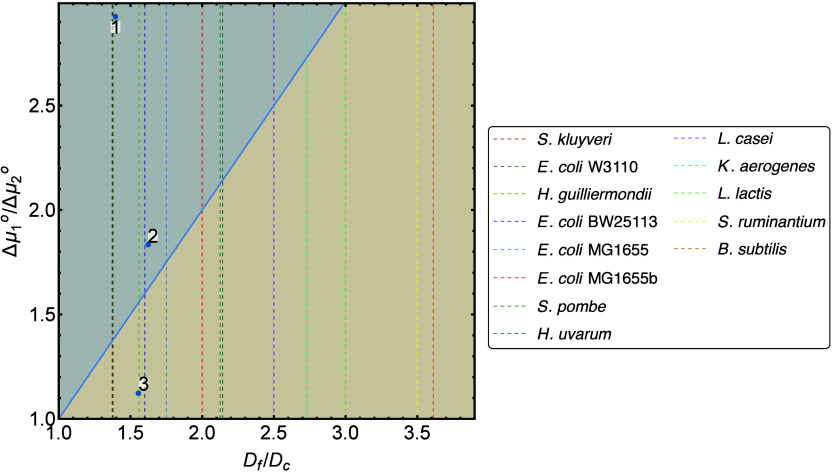 Figure 6
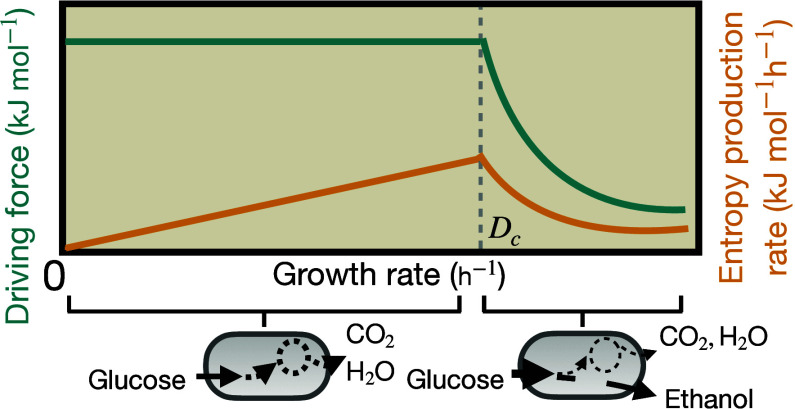 Figure 7
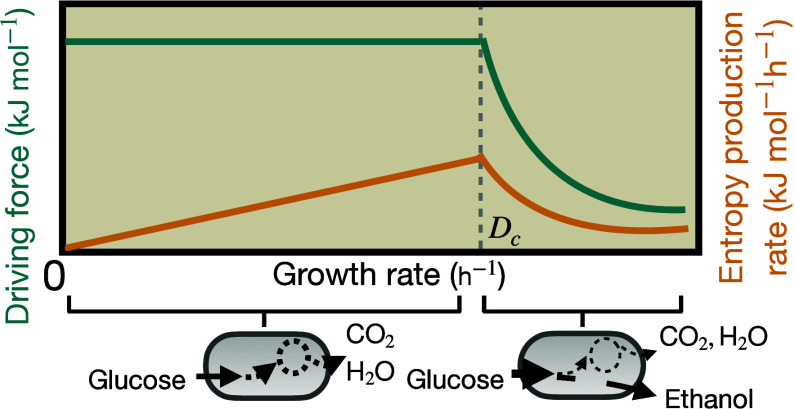 Figure 8
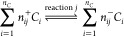 Figure 9
 Figure 10
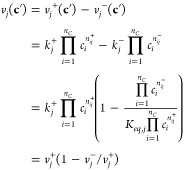 Figure 11
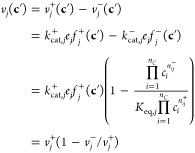 Figure 12
 Figure 13
 Figure 14
 Figure 15
 Figure 16
 Figure 17
 Figure 18
 Figure 19
 Figure 20
 Figure 21
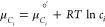 Figure 22
 Figure 23
 Figure 24
 Figure 25
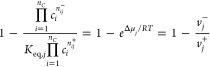 Figure 26
 Figure 27
 Figure 28
 Figure 29
 Figure 30
 Figure 31
 Figure 32
 Figure 33
 Figure 34
 Figure 35
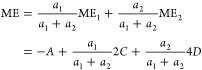 Figure 36
 Figure 37
 Figure 38
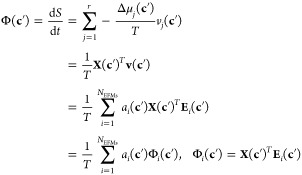 Figure 39
 Figure 40
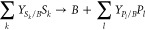 Figure 41
 Figure 42
 Figure 43
 Figure 44
 Figure 45
 Figure 46
 Figure 47
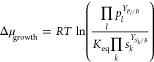 Figure 48
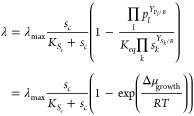 Figure 49
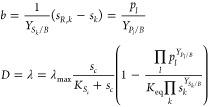 Figure 50
Peer Reviews
No public reviews on file for this paper yet. If you reviewed it on a platform where reviews are public (OpenReview, ICLR, NeurIPS, ICML), you can paste yours below so the community can read it here.
Videos
No videos yet. Explain this paper in a talk, walkthrough, or lecture? Add one.
Taxonomy
TopicsAdvanced Thermodynamics and Statistical Mechanics · Process Optimization and Integration · Global Energy and Sustainability Research