The type I ribosome-inactivating protein α-MMC induced significant apoptosis of lung cancer A549 and 95-D cells by activating the caspase cascade through TNF signaling pathway
Di Yang, Di Peng, Houke Li, Di Jia, Yiping Zhou, Bintao Hu, Wei Chen, Yao Meng

TL;DR
This study shows that α-MMC, a plant protein, can kill lung cancer cells by triggering apoptosis through specific signaling pathways.
Contribution
The study reveals the novel mechanism by which α-MMC induces apoptosis in lung cancer cells via the TNF signaling pathway and caspase cascade.
Findings
α-MMC significantly inhibits the proliferation of A549 and 95-D lung cancer cells.
It activates the caspase cascade through the TNF signaling pathway to induce apoptosis.
α-MMC downregulates key cell cycle proteins, blocking the cell cycle in G0/G1 or S phase.
Abstract
Ribosome-inactivating proteins (RIPs) are a class of toxic proteins with RNA N-glycosidase activity, primarily found in plants. Due to their antiviral, antibacterial and anti-tumor biological activities, RIPs have received extensive attention all over the world. Alpha-momorcharin (α-MMC) is a typical type I ribosomal inactivation protein, showing excellent anti-tumor activity. Lung cancer is a leading cause of global morbidity and mortality; however, current treatments remain limited, and patient prognosis is poor. In this study, α-MMC was extracted from momordica charantia seeds, and a series of in vitro studies were carried out on lung cancer A549 and 95-D cells, such as cell proliferation, cycle, apoptosis, migration to invasion, etc. Further, Western blot was used to explore the Cyclin-CDK-CKI signaling pathway, Caspase cascade and TNF signaling pathway respectively. Studies have…
Genes, proteins, chemicals, diseases, species, mutations and cell lines named across the full text — each resolved to its canonical identifier and authoritative record.
Click any figure to enlarge with its caption.
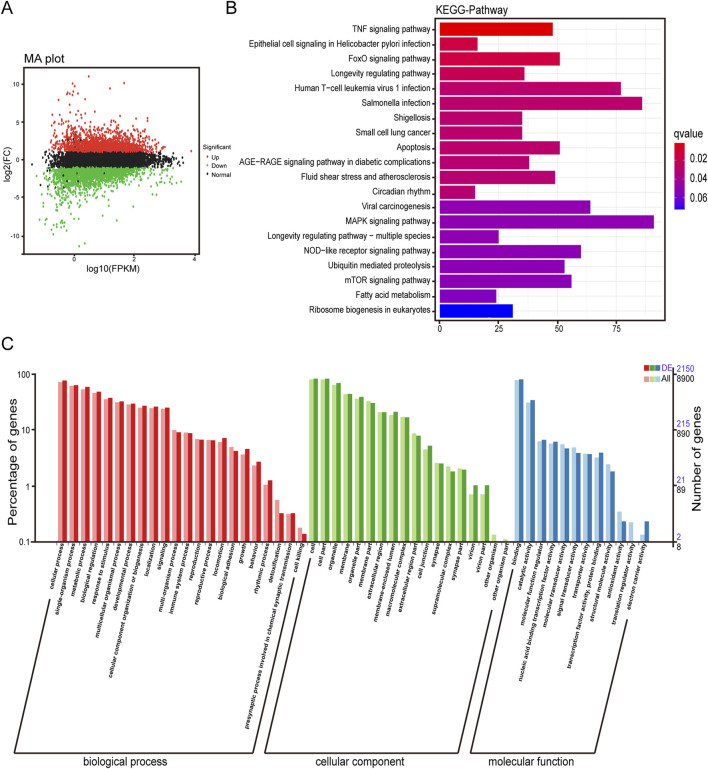 Figure 1
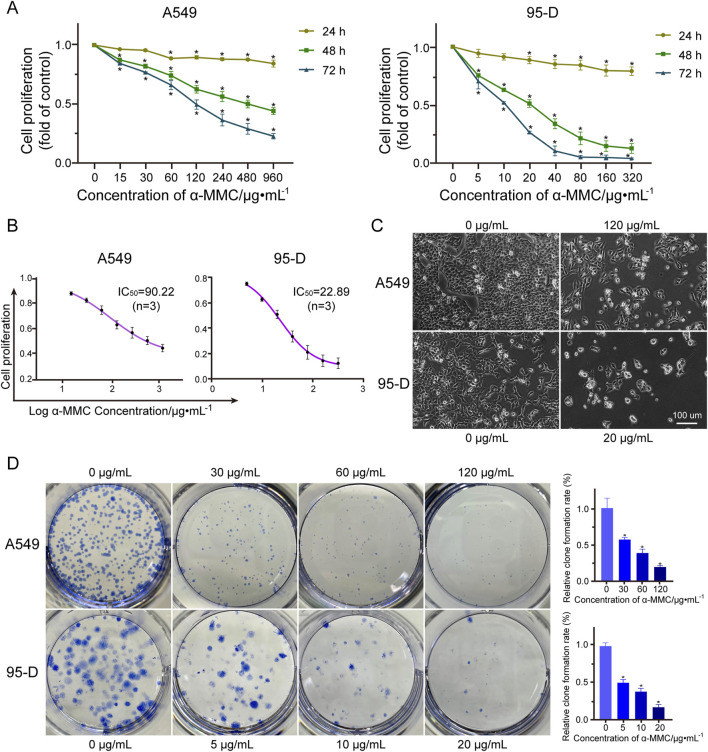 Figure 2
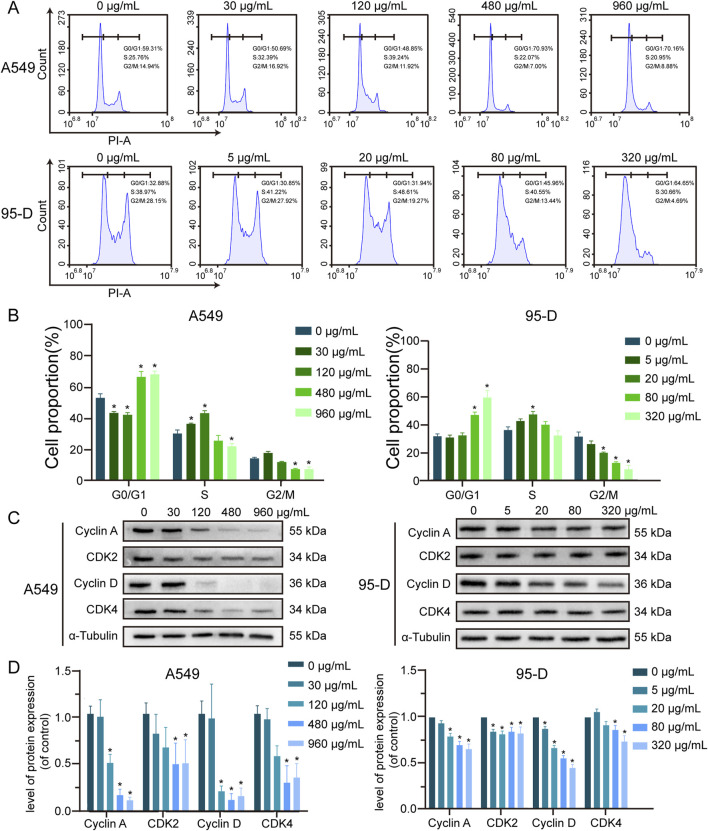 Figure 3
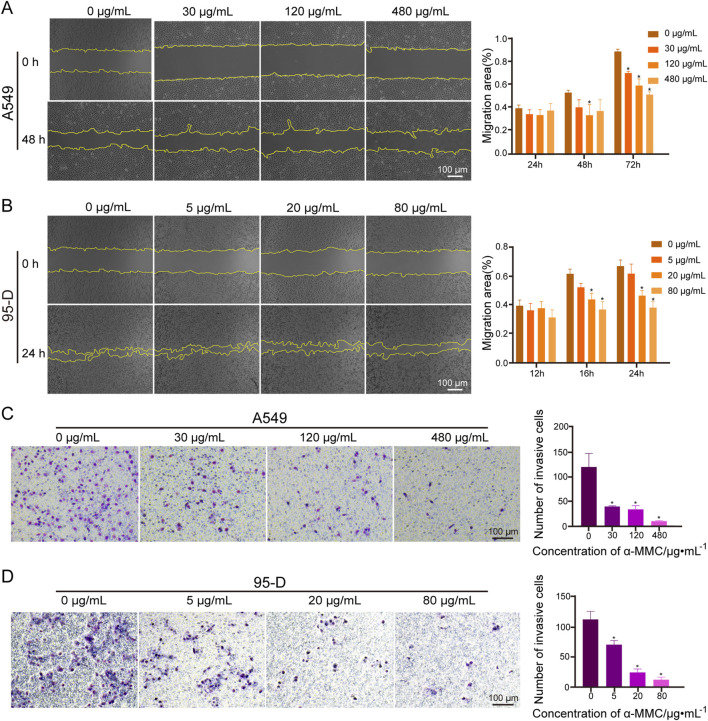 Figure 4
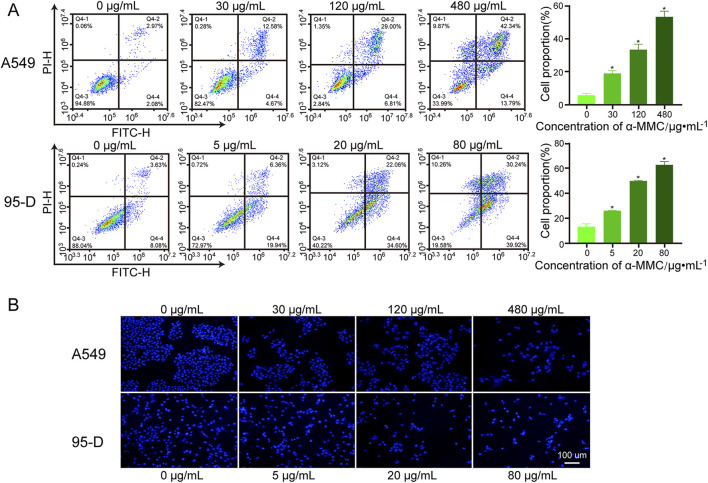 Figure 5
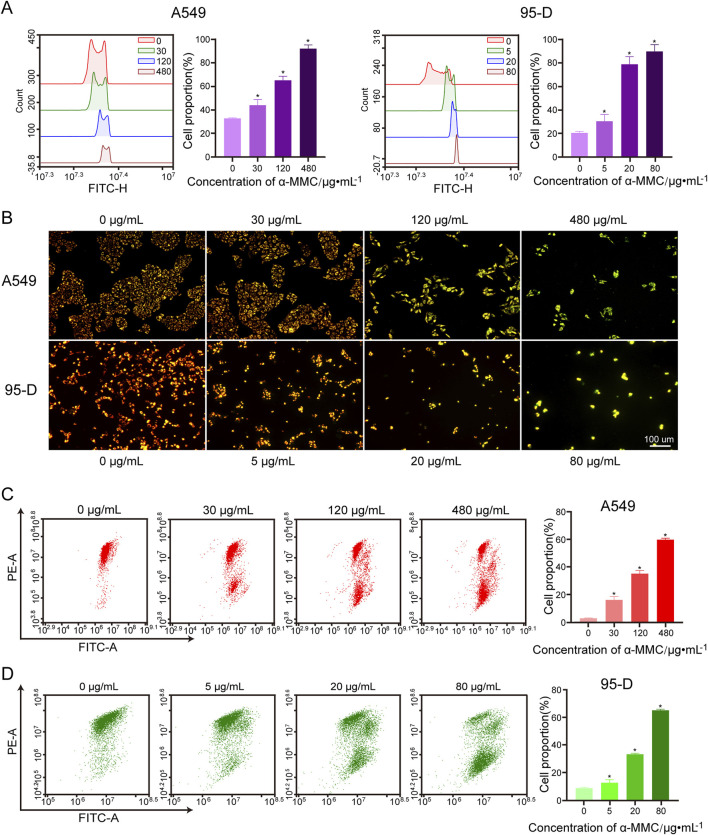 Figure 6
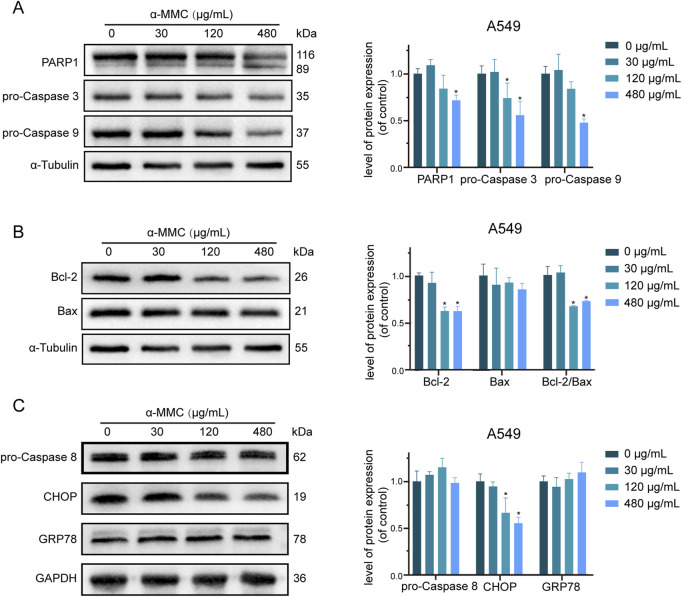 Figure 7
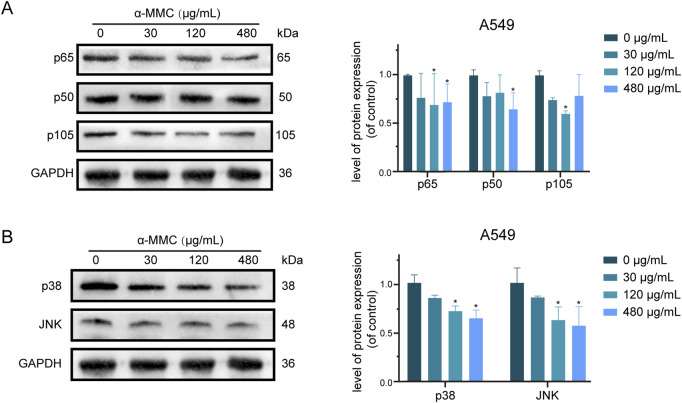 Figure 8
Peer Reviews
No public reviews on file for this paper yet. If you reviewed it on a platform where reviews are public (OpenReview, ICLR, NeurIPS, ICML), you can paste yours below so the community can read it here.
Videos
No videos yet. Explain this paper in a talk, walkthrough, or lecture? Add one.
Taxonomy
TopicsToxin Mechanisms and Immunotoxins · Bioactive Compounds and Antitumor Agents · Transgenic Plants and Applications