Lung parenchymal and cardiac appearances on computed tomography pulmonary angiography impact survival in chronic thromboembolic pulmonary hypertension: results from the ASPIRE Registry
Lojain Abdulaal, Ahmed Maiter, Krit Dwivedi, Michael J. Sharkey, Samer Alabed, Dheyaa Alkhanfar, Alexander Rothman, Smitha Rajaram, Robin Condliffe, David G. Kiely, Andrew J. Swift

TL;DR
This study shows that lung and heart features seen on CT scans of CTEPH patients affect their survival, especially when lung disease is present.
Contribution
The study identifies how lung and cardiac CT findings impact survival in CTEPH patients, particularly the masking effect of lung disease on mosaic perfusion.
Findings
Co-existing lung disease is associated with worse survival in CTEPH patients not undergoing surgery.
Mosaic perfusion is less common in patients with parenchymal lung disease.
Increased right/left ventricular ratio and aortic diameter predict worse outcomes.
Abstract
Chronic thromboembolic pulmonary hypertension (CTEPH) is commonly evaluated using computed tomography pulmonary angiography (CTPA). We evaluated the frequency and impact of parenchymal and cardiac abnormalities on survival in CTEPH. Patients were identified from the ASPIRE (Assessing the Spectrum of Pulmonary Hypertension Identified at a Referral Centre) Registry. Kaplan–Meier analysis was used to assess survival. 290 patients (55% female, mean±sd age 65±14 years) with CTEPH were included. Mosaic perfusion was noted in 83%, lung infarction in 73% and parenchymal lung disease in 28%. The severity of mosaic perfusion and lung infarction correlated with markers of disease severity (p<0.001). Whereas the presence of mosaic perfusion was associated with improved survival in all patients (p=0.03), it did not predict outcome in those undergoing pulmonary endarterectomy (PEA) (p=0.6) and…
Genes, proteins, chemicals, diseases, species, mutations and cell lines named across the full text — each resolved to its canonical identifier and authoritative record.
Click any figure to enlarge with its caption.
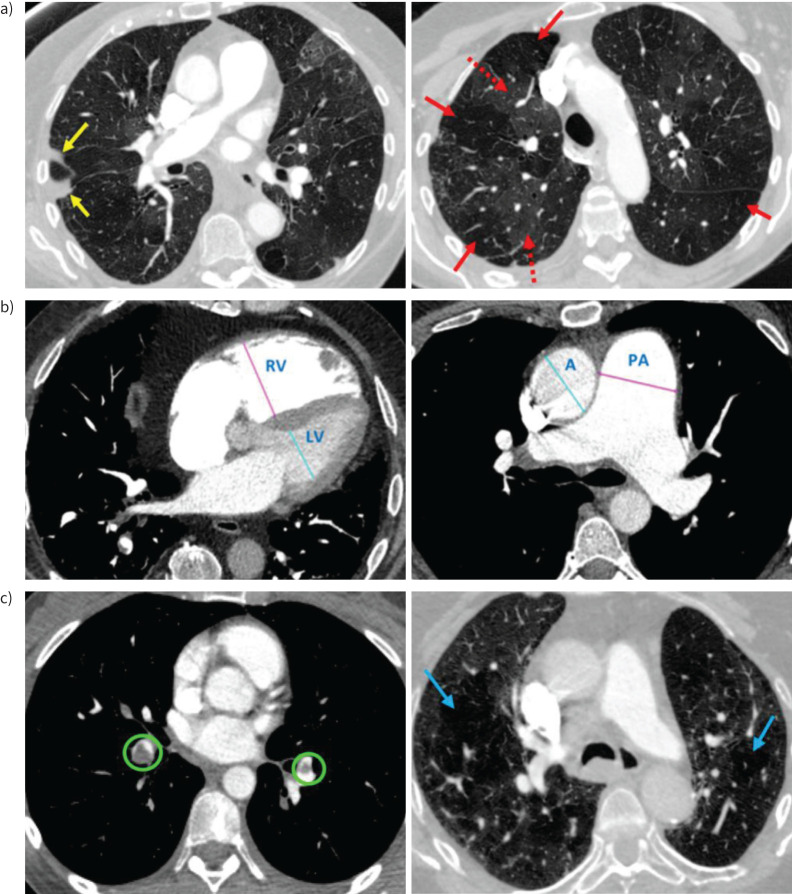 Figure 1
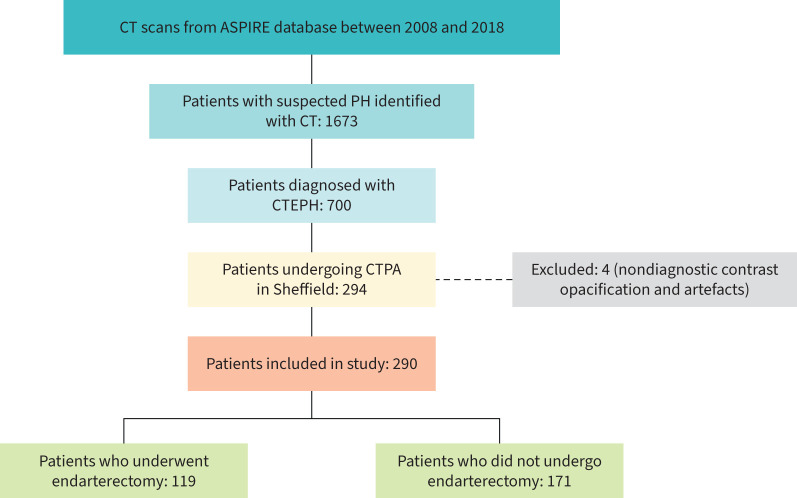 Figure 2
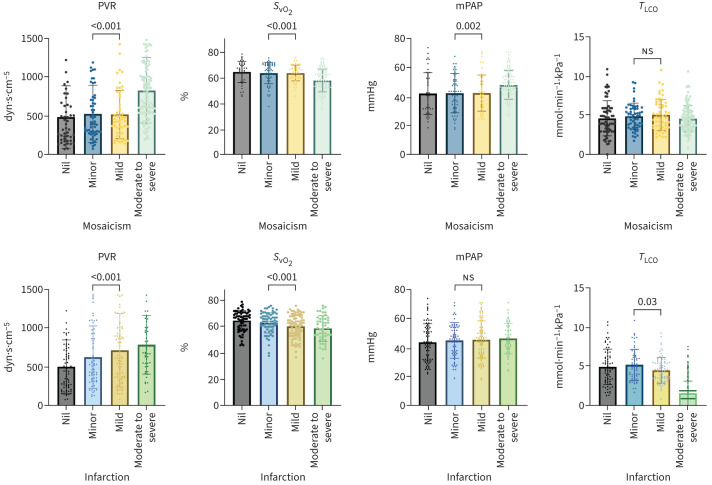 Figure 3
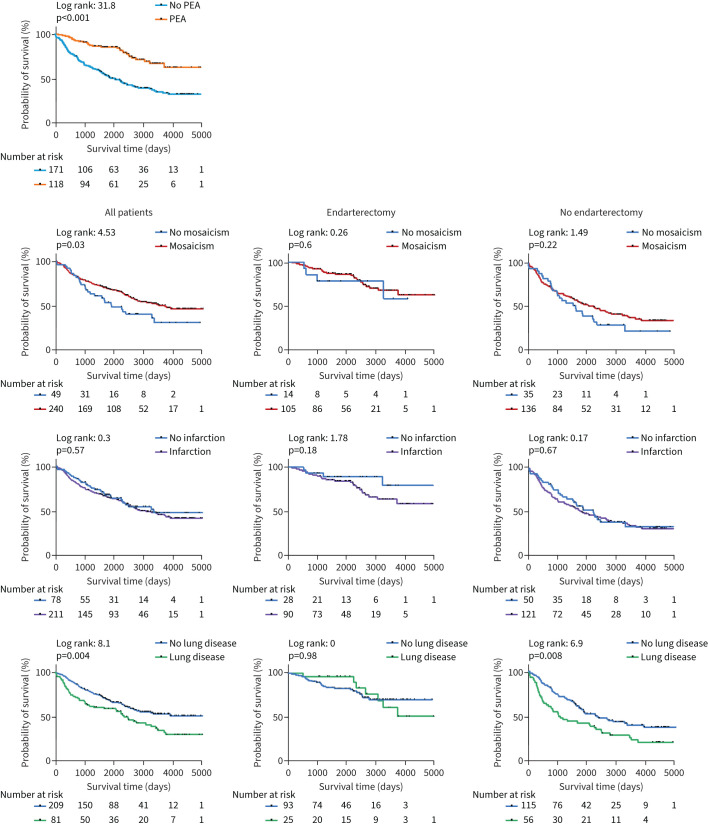 Figure 4
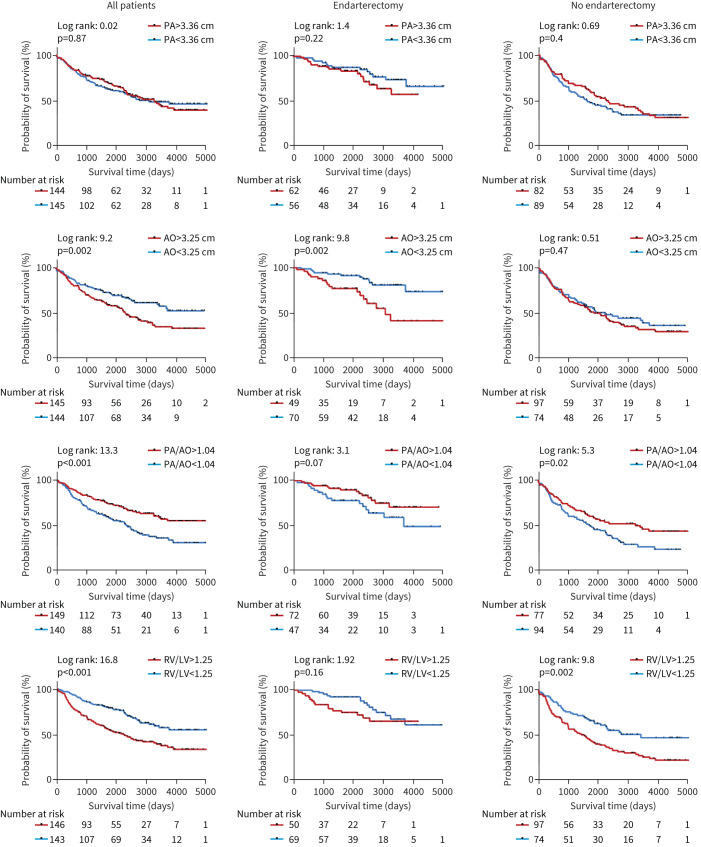 Figure 5
Peer Reviews
No public reviews on file for this paper yet. If you reviewed it on a platform where reviews are public (OpenReview, ICLR, NeurIPS, ICML), you can paste yours below so the community can read it here.
Videos
No videos yet. Explain this paper in a talk, walkthrough, or lecture? Add one.
Taxonomy
TopicsPulmonary Hypertension Research and Treatments