Discovery of Iboga-Derived Ligands for the Sigma‑2 Receptor
Alexander J. Hughes, Julie A. Talbert, Steven D. Townsend

TL;DR
This paper reports the discovery of new iboga-based compounds that strongly bind to the sigma-2 receptor, offering potential for treating substance use disorders.
Contribution
The study introduces iboga alkaloids as a novel scaffold for developing sigma-2 receptor ligands.
Findings
Two iboga-derived compounds show high affinity for the sigma-2 receptor.
The compounds were tested through the NIMH Psychoactive Drug Screening Program.
Abstract
Substance use disorder (SUD) is a mental condition that affects a person’s brain and behavior, leading to a lack of control with alcohol, drug, and medication use. The lack of efficacious and novel treatments for SUD is a growing concern. As such, we have synthesized a series of iboga alkaloid derivatives and evaluated their receptor binding profiles against a panel of CNS-based proteins, which were performed at the National Institute of Mental Health Psychoactive Drug Screening Program. These studies revealed two compounds that exhibit high affinity for the sigma-2 receptor and introduce the iboga alkaloid framework as a new scaffold for the development of sigma-2 ligands.
Genes, proteins, chemicals, diseases, species, mutations and cell lines named across the full text — each resolved to its canonical identifier and authoritative record.
Click any figure to enlarge with its caption.
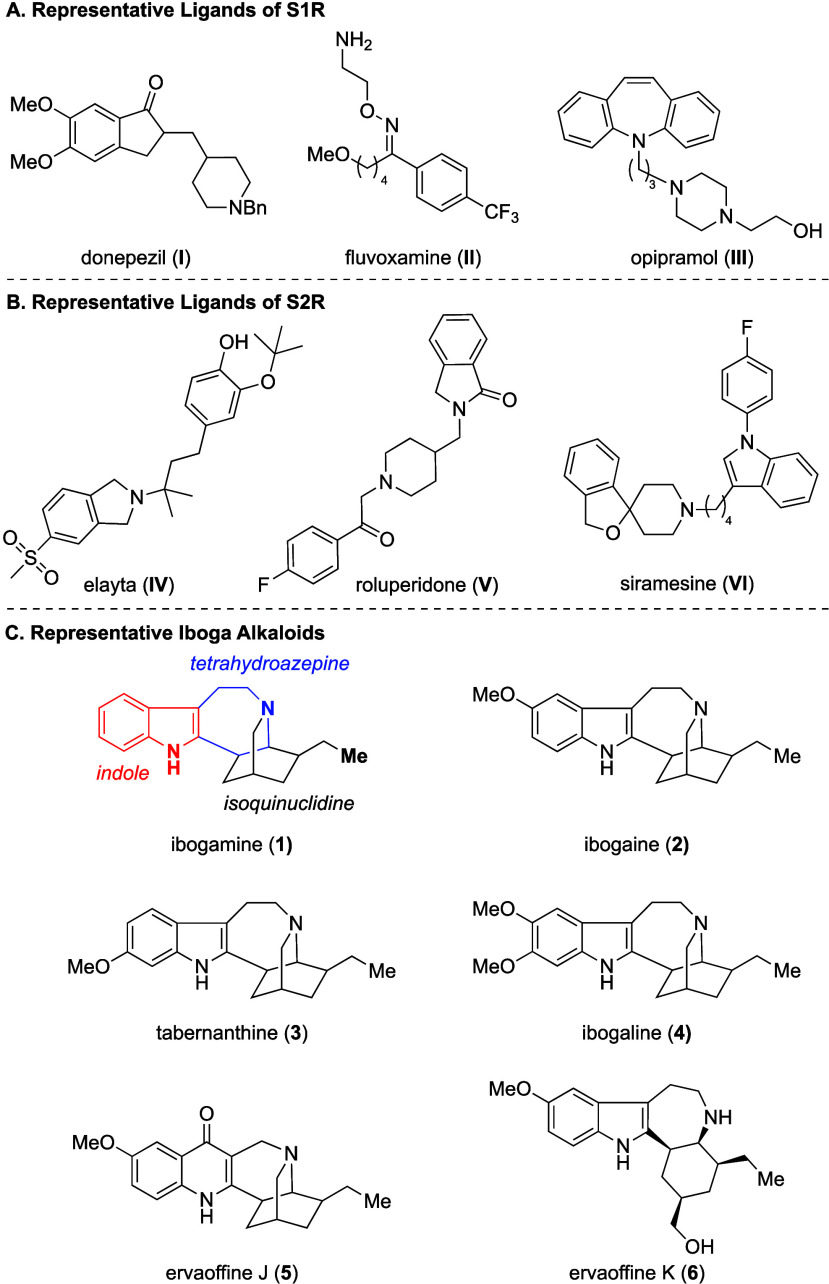 Figure 1
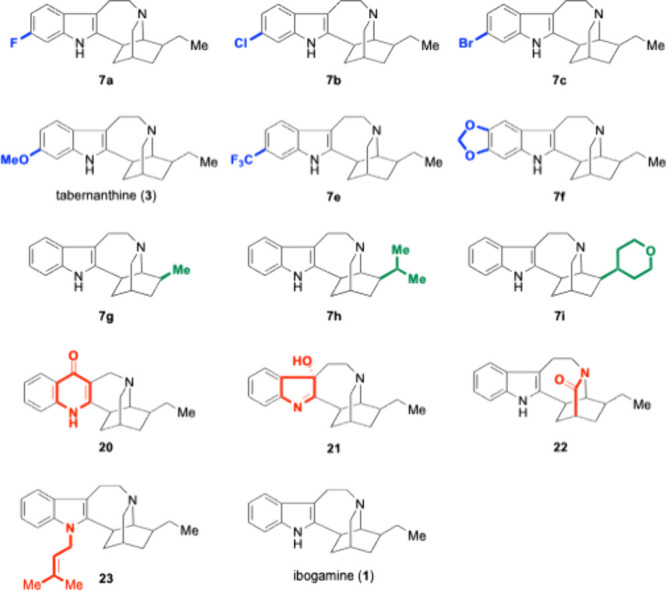 Figure 2
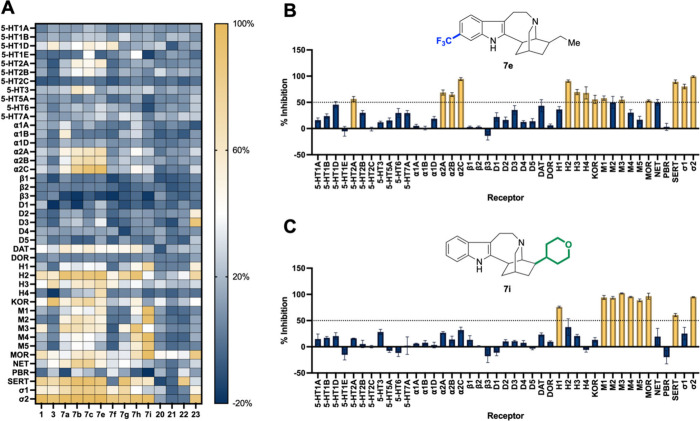 Figure 3
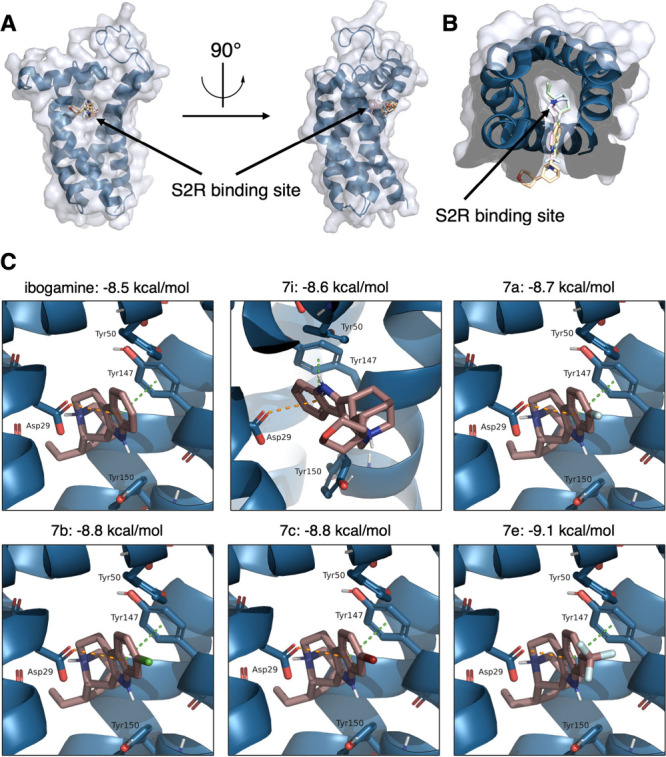 Figure 4
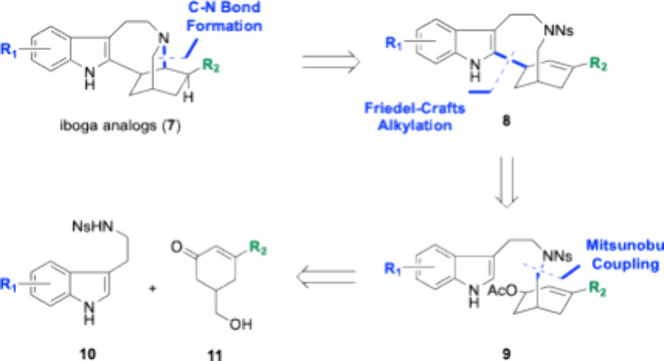 Figure 5
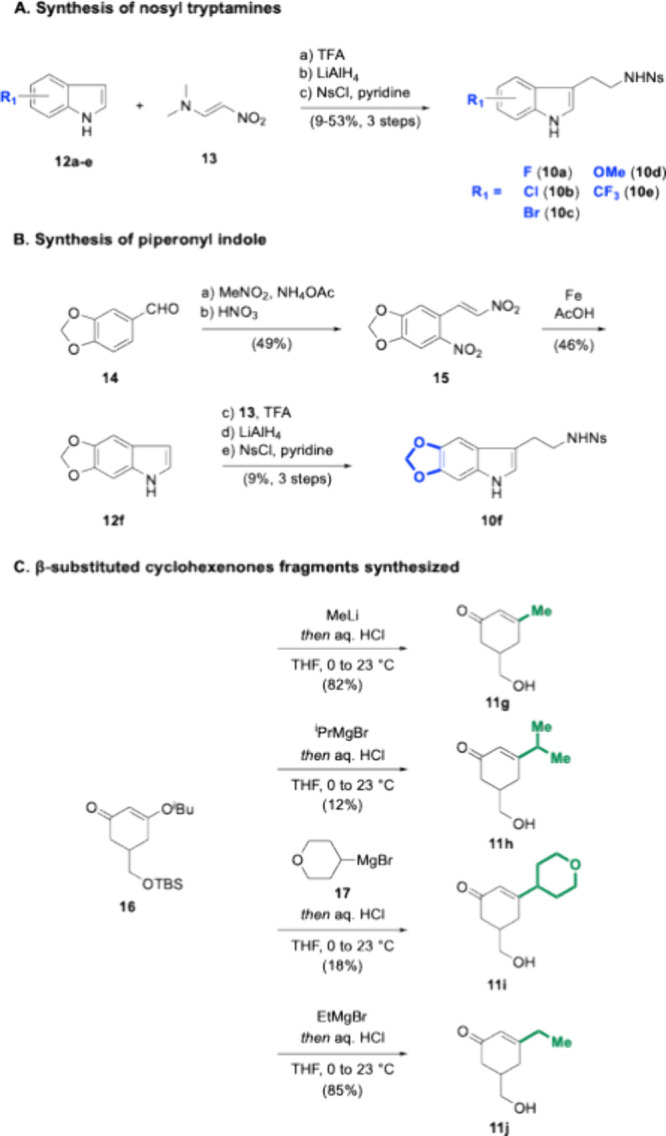 Figure 6
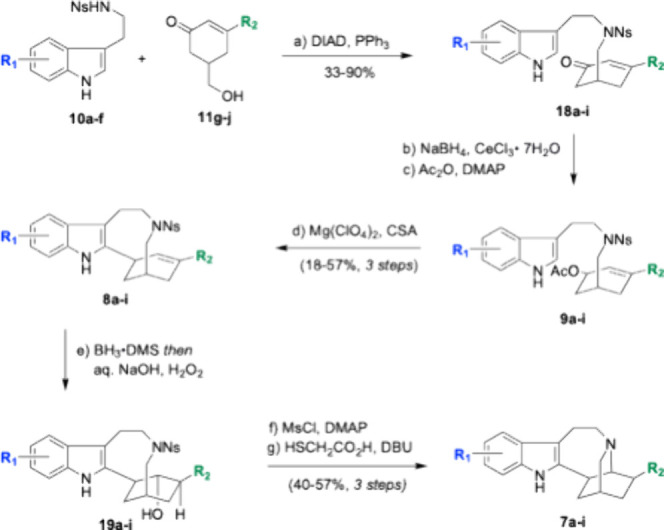 Figure 7
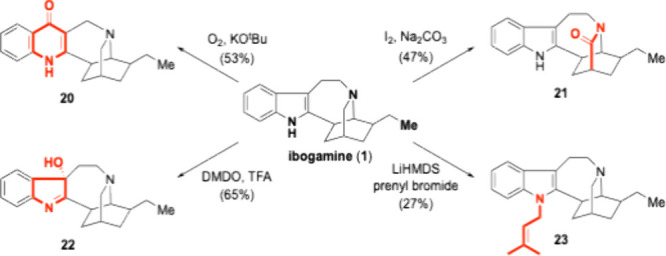 Figure 8
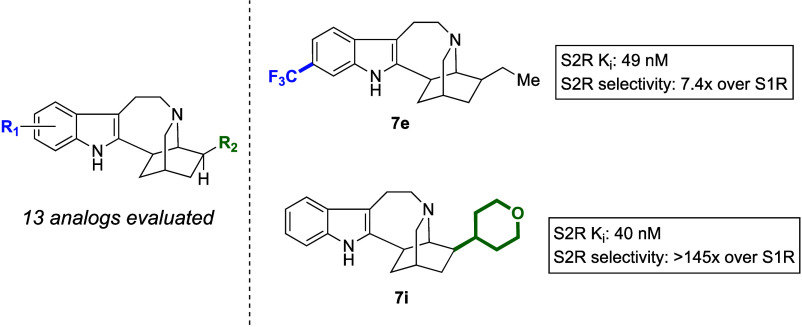 Figure 9
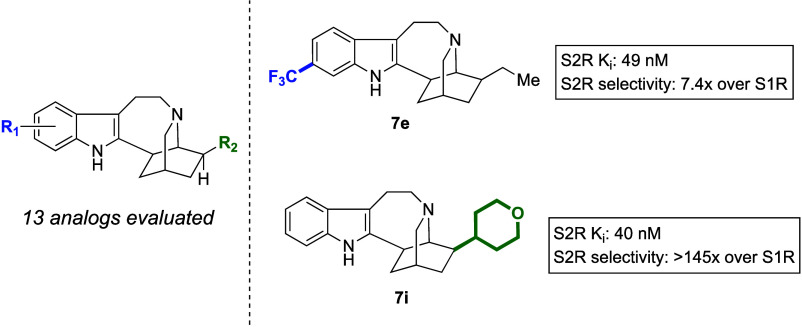 Figure 10
Peer Reviews
No public reviews on file for this paper yet. If you reviewed it on a platform where reviews are public (OpenReview, ICLR, NeurIPS, ICML), you can paste yours below so the community can read it here.
Videos
No videos yet. Explain this paper in a talk, walkthrough, or lecture? Add one.
Taxonomy
TopicsPharmacological Receptor Mechanisms and Effects · Receptor Mechanisms and Signaling · Neuropeptides and Animal Physiology