Deep learning approach to the estimation of the ratio of reproductive modes in a partially clonal population
T.A. Nikolaeva, A.A. Poroshina, D.Yu. Sherbakov

TL;DR
This paper introduces a deep learning model to estimate the ratio of sexual to asexual reproduction in populations with mixed reproductive strategies.
Contribution
The novel contribution is a convolutional neural network model that accurately estimates reproductive mode ratios in partially clonal populations.
Findings
The model achieves an accuracy of up to 0.99 in estimating reproductive mode ratios.
The model performs better when training data dimensions match the actual data.
The approach is suitable for neutral multiallelic marker traits like microsatellite repeats.
Abstract
Genetic diversity among biological entities, including populations, species, and communities, serves as a fundamental source of information for understanding their structure and functioning. However, many ecological and evolutionary problems arise from limited and complex datasets, complicating traditional analytical approaches. In this context, our study applies a deep learning-based approach to address a crucial question in evolutionary biology: the balance between sexual and asexual reproduction. Sexual reproduction often disrupts advantageous gene combinations favored by selection, whereas asexual reproduction allows faster proliferation without the need for males, effectively maintaining beneficial genotypes. This research focuses on exploring the coexistence patterns of sexual and asexual reproduction within a single species. We developed a convolutional neural network model…
Genes, proteins, chemicals, diseases, species, mutations and cell lines named across the full text — each resolved to its canonical identifier and authoritative record.
Click any figure to enlarge with its caption.
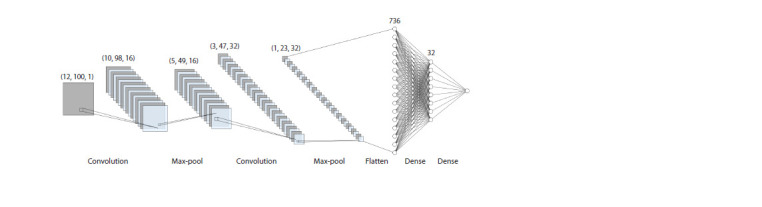 Figure 1
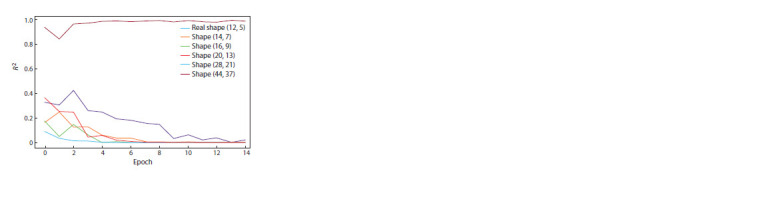 Figure 2
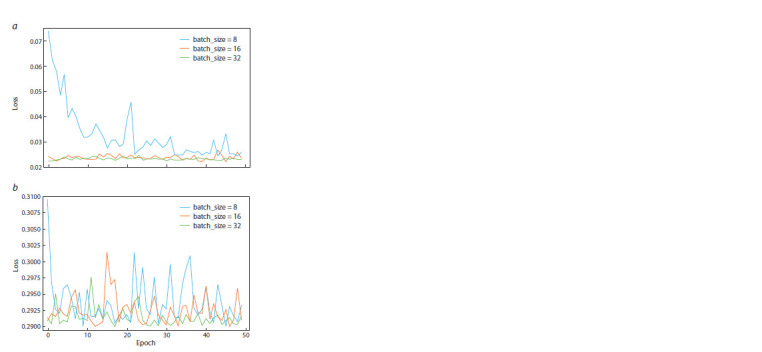 Figure 3
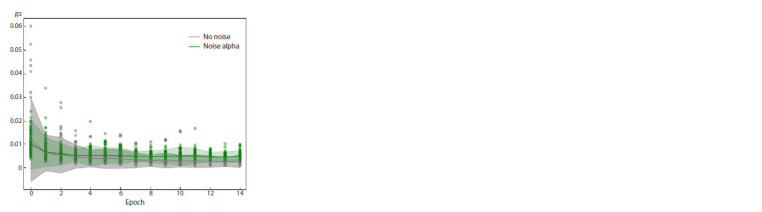 Figure 4
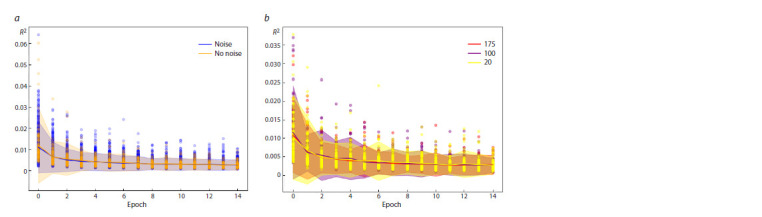 Figure 5
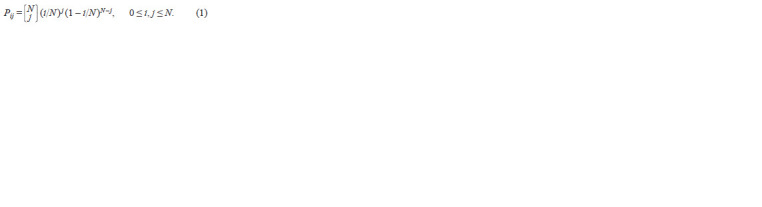 Figure 6
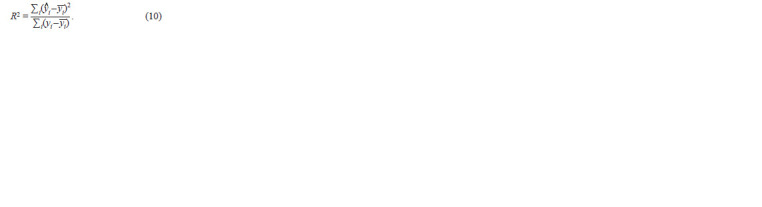 Figure 7
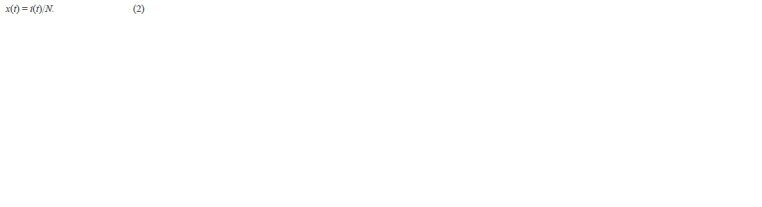 Figure 8
 Figure 9
 Figure 10
 Figure 11
 Figure 12
 Figure 13
 Figure 14
 Figure 15
Peer Reviews
No public reviews on file for this paper yet. If you reviewed it on a platform where reviews are public (OpenReview, ICLR, NeurIPS, ICML), you can paste yours below so the community can read it here.
Videos
No videos yet. Explain this paper in a talk, walkthrough, or lecture? Add one.
Taxonomy
TopicsGenetic diversity and population structure · Evolution and Genetic Dynamics · Genetic and phenotypic traits in livestock