Disseminated Nocardiosis: Poorly Controlled Diabetes as an Immunocompromising State
Danielle G Iben, Emily Dobrzynski, Ritu Garg

TL;DR
A case study shows that poorly controlled diabetes can lead to severe Nocardia infection, highlighting the need for early diagnosis in diabetic patients.
Contribution
This paper presents a novel perspective on poorly controlled diabetes as an immunocompromising state, increasing susceptibility to Nocardia infections.
Findings
Poorly controlled diabetes can act as an immunocompromising state, increasing the risk of severe Nocardia infections.
Nocardiosis can present with neurological symptoms and may be misdiagnosed as other infections like varicella-zoster virus.
Early recognition and treatment with trimethoprim-sulfamethoxazole can improve outcomes in nocardiosis.
Abstract
Nocardia species are environmental pathogens that cause rare infections, primarily affecting immunocompromised individuals. These infections can present as pulmonary, cutaneous, or disseminated diseases, often involving the central nervous system. The most common portal of entry is via inhalation or skin breakdown; it is often found in soil, water, and vegetable matter. While typically associated with organ transplantation, malignancy, and immunosuppressive therapy, this case highlights how poorly controlled diabetes may also function as an immunocompromised state, therefore increasing susceptibility to severe Nocardia infections. We present a case of a 74-year-old man with poorly controlled type two diabetes mellitus (T2DM) with a hemoglobin A1c (HbA1c) greater than 8% who developed a diffuse vesicular rash, altered mental status, and generalized muscle aches. During hospitalization,…
Genes, proteins, chemicals, diseases, species, mutations and cell lines named across the full text — each resolved to its canonical identifier and authoritative record.
Click any figure to enlarge with its caption.
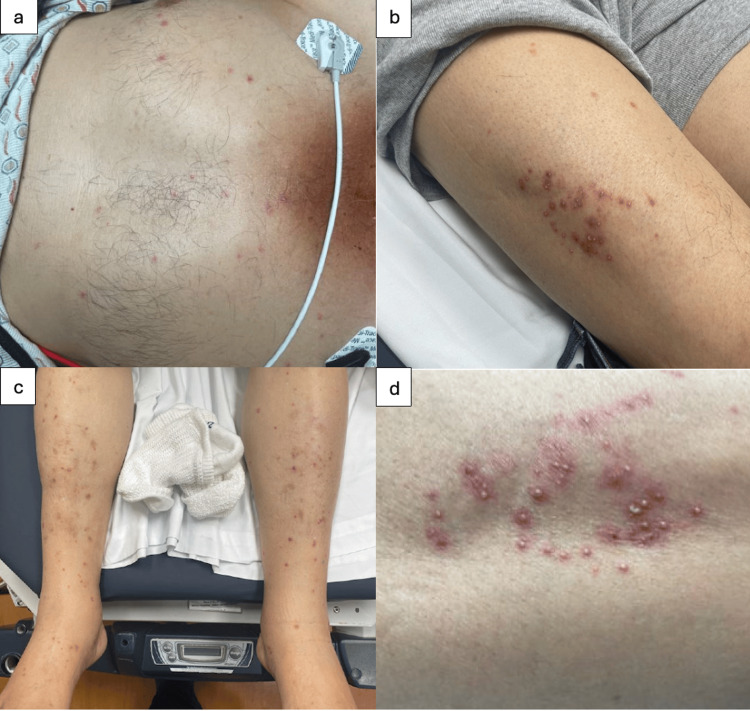 Figure 1
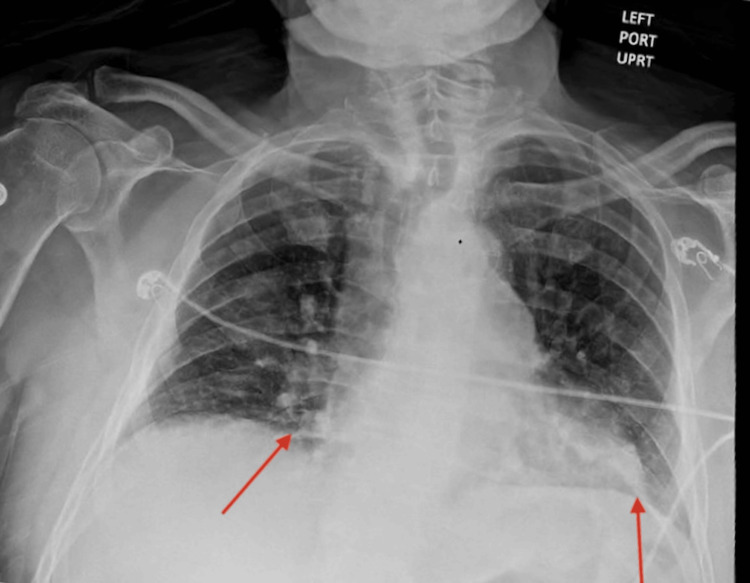 Figure 2
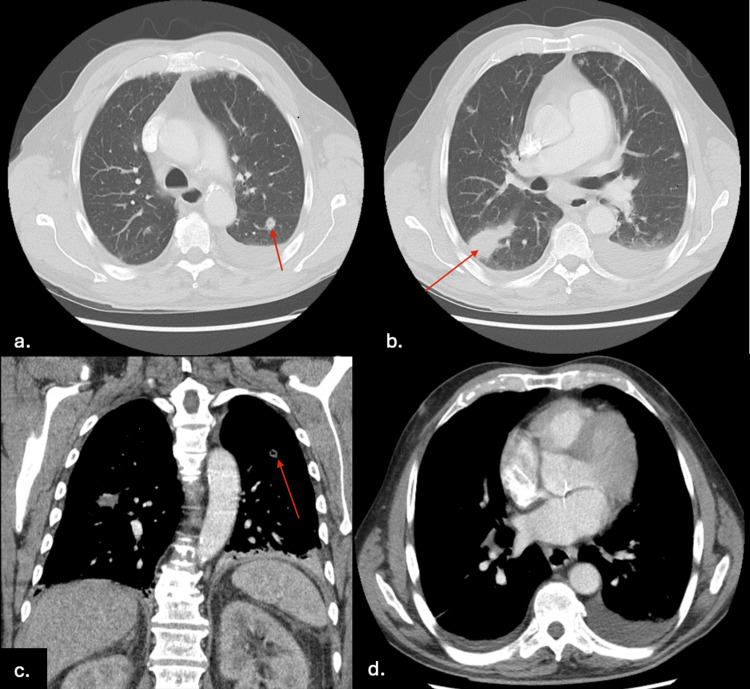 Figure 3
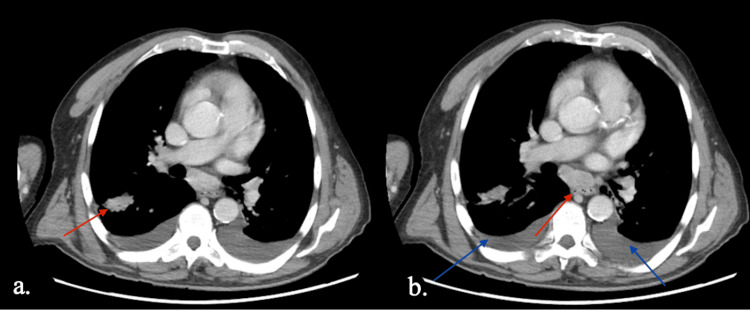 Figure 4
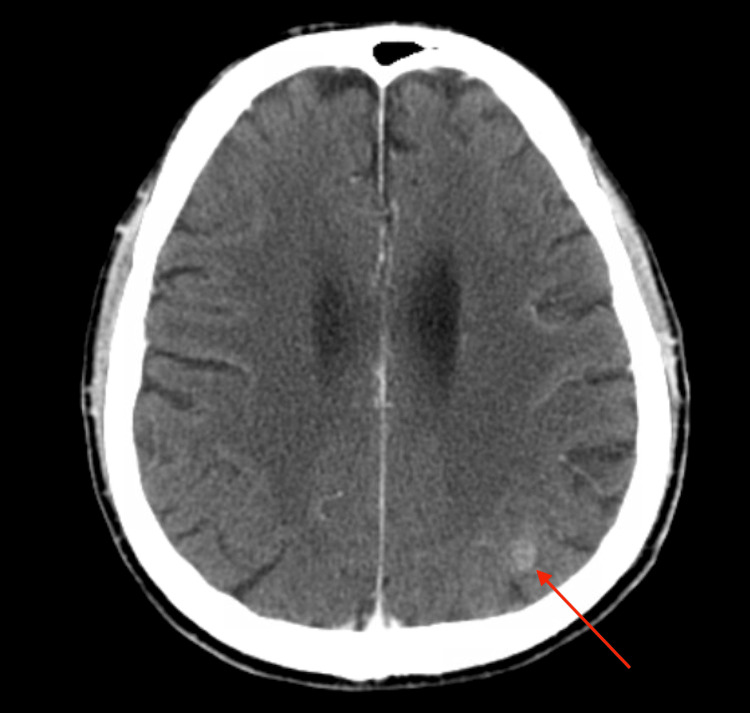 Figure 5
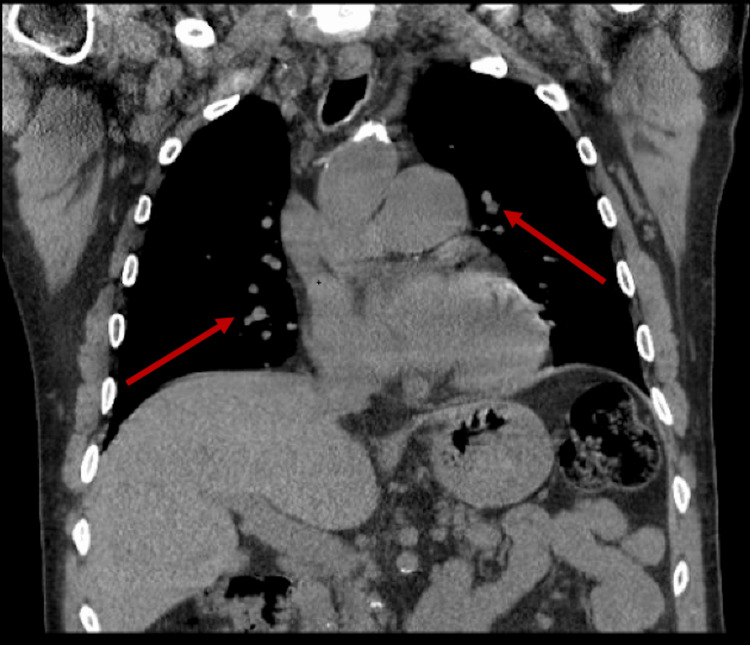 Figure 6
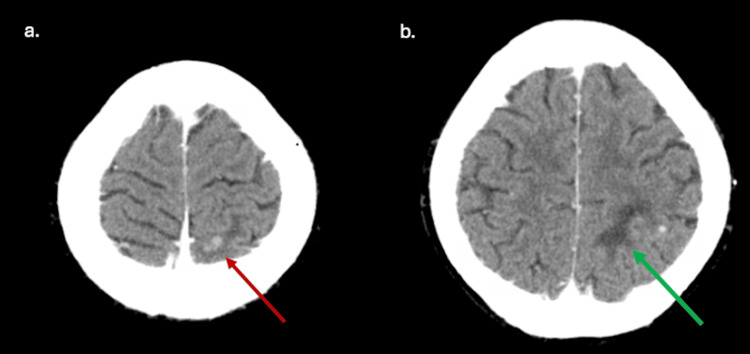 Figure 7
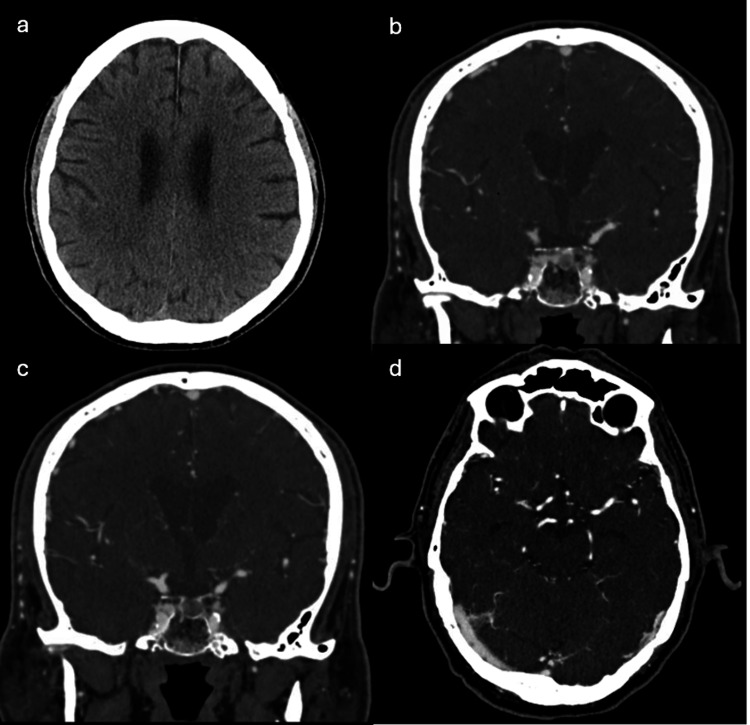 Figure 8
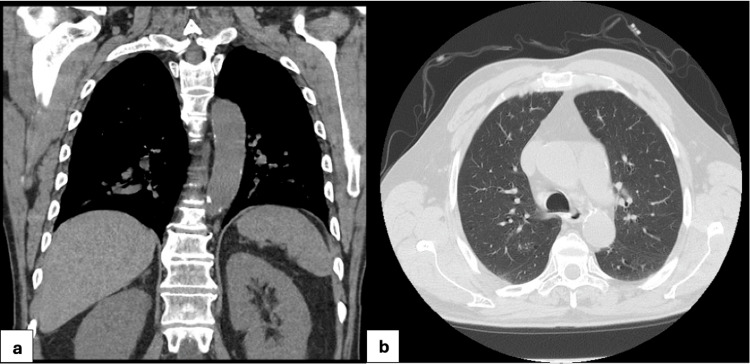 Figure 9
Peer Reviews
No public reviews on file for this paper yet. If you reviewed it on a platform where reviews are public (OpenReview, ICLR, NeurIPS, ICML), you can paste yours below so the community can read it here.
Videos
No videos yet. Explain this paper in a talk, walkthrough, or lecture? Add one.
Taxonomy
TopicsActinomycetales infections and treatment · Fungal Infections and Studies · Infectious Disease Case Reports and Treatments