Analysis of the evidence to support the definition of specific protection goals for terrestrial organisms—Part 1: Proposed strategy
Pauline Adriaanse, Gertie Arts, Sandra Boline Lassen, Pierre‐François Chaton, Matthias Fuerst, Brecht Ingels, Silvia Pieper, Maj Rundlof, Jose Paulo Sousa, Renske Van Eekelen, Maria Arena, Gabriella Fait, Alessio Ippolito, Laura Padovani, Rachel Sharp, Domenica Auteri

TL;DR
This paper proposes a strategy for defining specific protection goals for terrestrial organisms, considering both direct and indirect effects.
Contribution
The paper introduces a methodology for building multiple lines of evidence to define acceptable effect magnitudes and timescales for protection goals.
Findings
The Working Group analyzed previous Scientific Opinions to elaborate on SPG options.
Key aspects for further consideration include acceptable effect magnitudes and related timescales.
A methodology for integrating multiple lines of evidence was developed.
Abstract
The review of the Terrestrial Ecotoxicology Guidance concerns three groups of non‐target organisms (NTOs): non‐target arthropods other than bees, in‐soil organisms and non‐target terrestrial plants. Thus, specific protection goals (SPGs) would need to be defined for all these groups. In view of the link between direct and indirect effects, the need to include considerations of indirect effects via trophic interactions when setting SPGs was recognised. This document serves to illustrate the strategy proposed by the Working Group for supporting Risk Managers in the definition of the SPGs. The methodology uses as a starting point previous Scientific Opinions of the PPR Panel where SPG options were comprehensively explored. Following an analysis and synthesis of such Opinions, the Working Group has elaborated further the various options and has identified key aspects requiring further…
Genes, proteins, chemicals, diseases, species, mutations and cell lines named across the full text — each resolved to its canonical identifier and authoritative record.
Click any figure to enlarge with its caption.
 Figure 1
 Figure 2
 Figure 3
 Figure 4
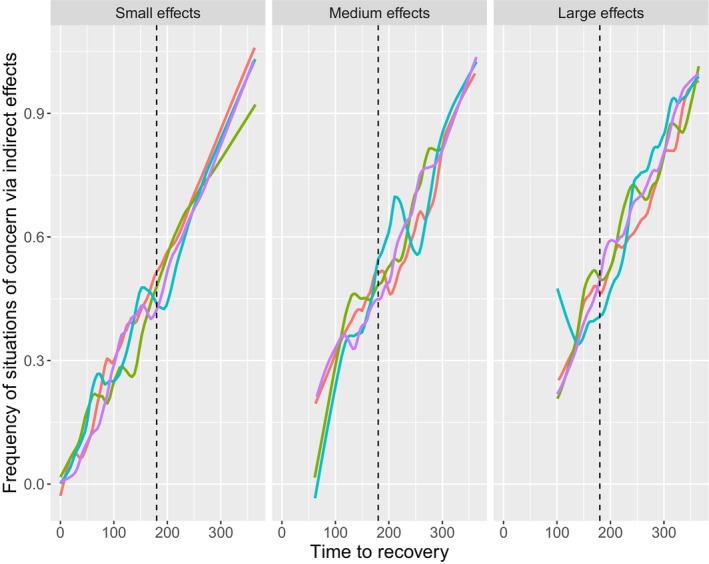 Figure 5
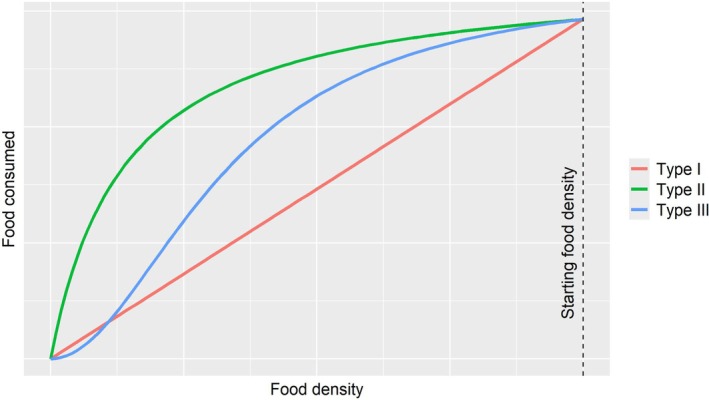 Figure 6
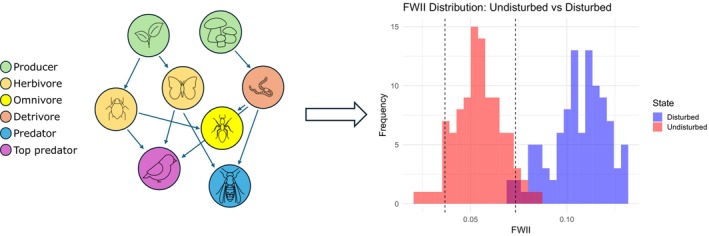 Figure 7
Peer Reviews
No public reviews on file for this paper yet. If you reviewed it on a platform where reviews are public (OpenReview, ICLR, NeurIPS, ICML), you can paste yours below so the community can read it here.
Videos
No videos yet. Explain this paper in a talk, walkthrough, or lecture? Add one.
Taxonomy
TopicsEcology and Vegetation Dynamics Studies · Animal Ecology and Behavior Studies · Rangeland and Wildlife Management