Multi‐Omics Analysis Reveals Causal Relationships and Potential Mediators Between Dietary Preferences and Risk of NAFLD
Qingan Fu, Jierui Liu, Zhekang Liu, Tianzhou Shen, Qingyun Yu, Huangxin Zhu, Shisheng Wu, Rixiang Liu, Deju Zhang, Xiao Liu, Xiaoping Yin, Jianping Liu, Yanze Wu, Jing Zhang, Peng Yu

TL;DR
This study shows how dietary preferences can influence non-alcoholic fatty liver disease risk through genetic and inflammatory mechanisms.
Contribution
The study is the first to use multi-omics analysis to reveal causal dietary-genetic links to NAFLD and identify FTO and DNER as potential therapeutic targets.
Findings
Low-calorie diet preferences reduce NAFLD risk by modulating DNER.
Soft cheese increases NAFLD risk while fruit juice reduces it, mediated by FTO gene variant rs28429148.
Findings were validated using clinical and bioinformatics data.
Abstract
Non‐alcoholic fatty liver disease (NAFLD) is a prevalent condition closely associated with obesity and metabolic syndrome, with its global incidence on the rise. This study aims to explore the causal relationship between dietary preferences and NAFLD risk using multi‐omics analysis, and to comprehensively explore possible mediating factors and their underlying mechanisms. We analyzed data from genome‐wide association studies (GWAS) to assess the potential genetic links between various dietary preferences and NAFLD. A two‐step Mendelian randomization (MR) analysis was conducted to evaluate whether dietary preferences affect NAFLD risk by regulating inflammatory factors. Further, co‐localization analysis was used to identify gene loci driving the causal relationships between dietary preferences and NAFLD risk. Finally, clinical cross‐sectional data from the National Health and Nutrition…
Genes, proteins, chemicals, diseases, species, mutations and cell lines named across the full text — each resolved to its canonical identifier and authoritative record.
Click any figure to enlarge with its caption.
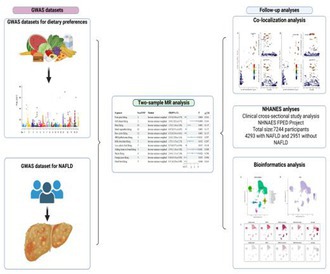 Figure 1
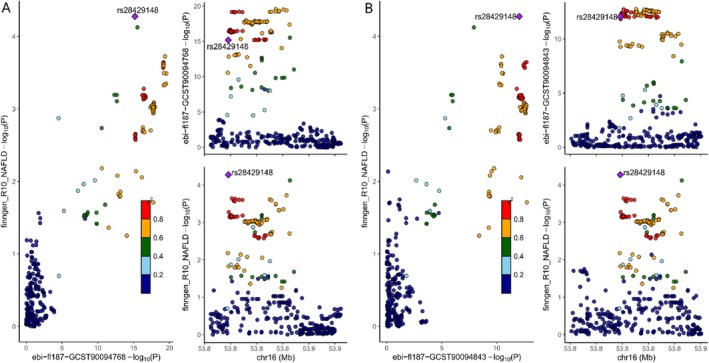 Figure 2
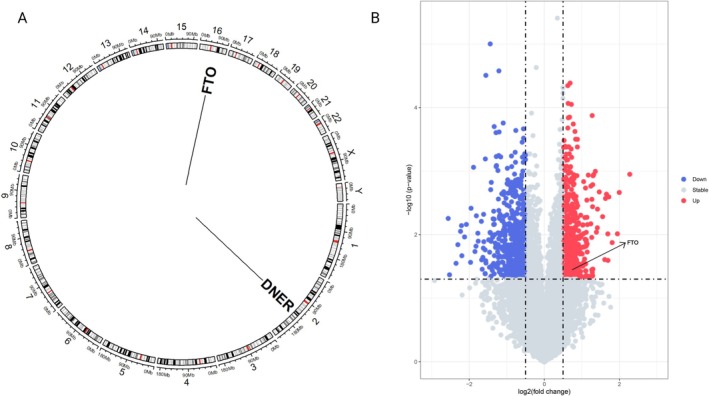 Figure 3
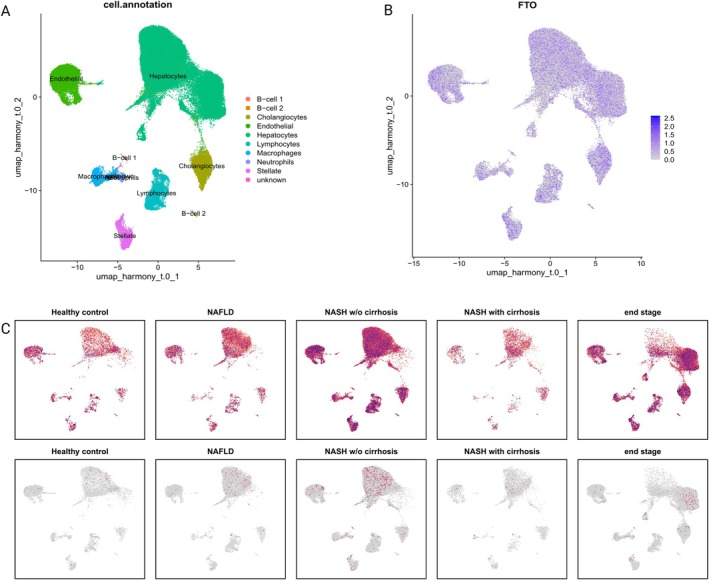 Figure 4
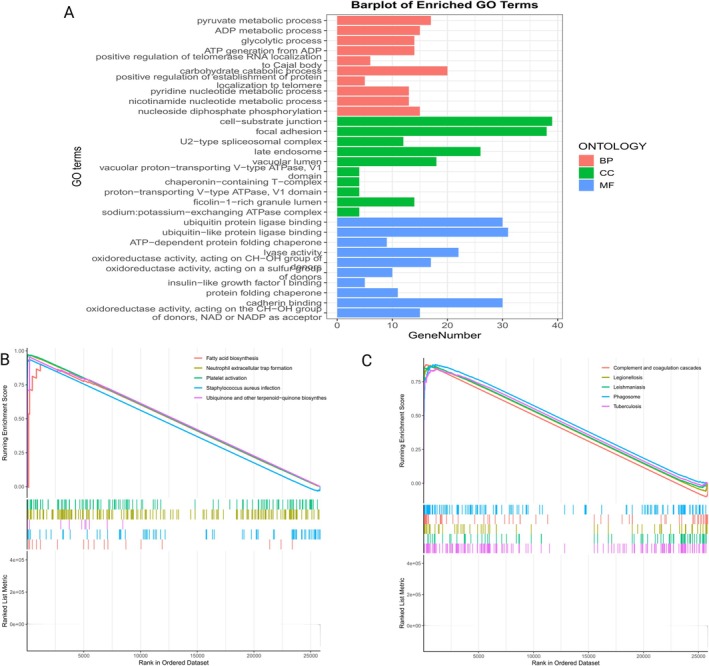 Figure 5
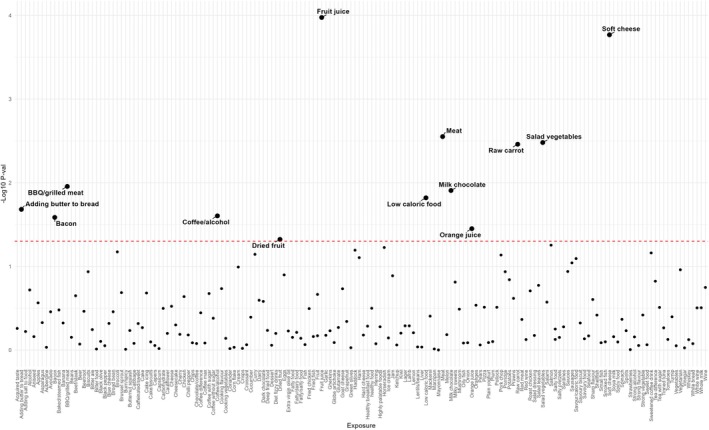 Figure 6
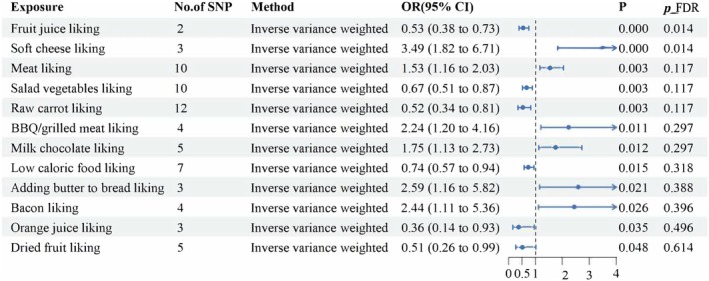 Figure 7
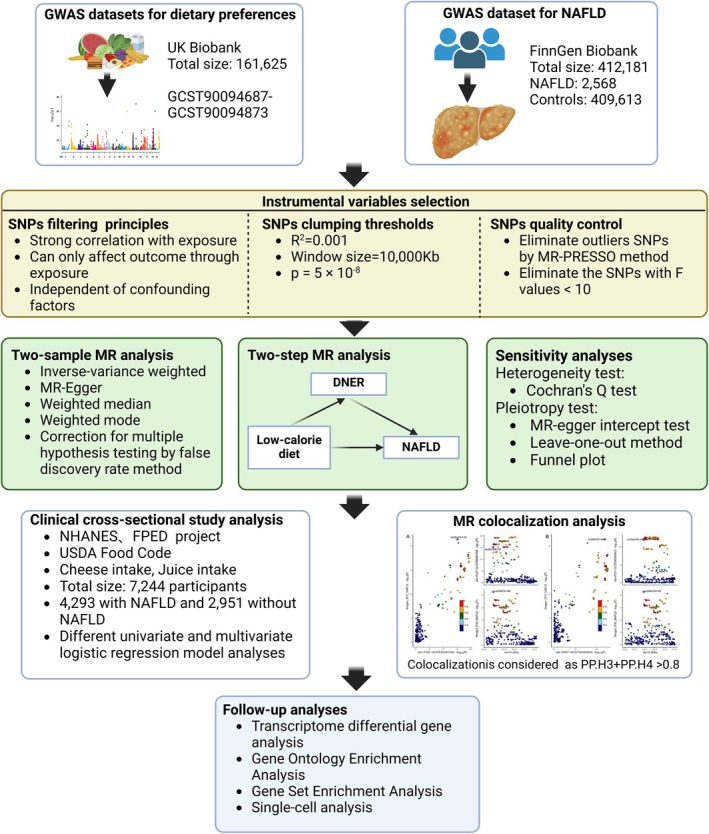 Figure 8
Peer Reviews
No public reviews on file for this paper yet. If you reviewed it on a platform where reviews are public (OpenReview, ICLR, NeurIPS, ICML), you can paste yours below so the community can read it here.
Videos
No videos yet. Explain this paper in a talk, walkthrough, or lecture? Add one.
Taxonomy
TopicsLiver Disease Diagnosis and Treatment · Lipid metabolism and disorders · Genetic Associations and Epidemiology