In vitro demonstration and in planta characterization of a condensed, reverse TCA (crTCA) cycle
Nathan Wilson, Caroline Smith-Moore, Yuan Xu, Brianne Edwards, Christophe La Hovary, Kai Li, Denise Aslett, Mikyoung Ji, Xuli Lin, Simina Vintila, Manuel Kleiner, Deyu Xie, Yair Shachar-Hill, Amy Grunden, Heike Sederoff

TL;DR
Scientists created a new synthetic carbon fixation cycle in plants, inspired by bacteria, which could improve photosynthesis and plant growth.
Contribution
A synthetic, non-natural carbon fixation cycle (crTCA) was developed and tested in plants to enhance CO2 assimilation.
Findings
The crTCA cycle functions in vitro under aerobic and mesophilic conditions.
Transgenic Camelina sativa plants show increased photosynthetic CO2 assimilation and altered photorespiration.
Stable transgenic lines exhibit shorter stature and physiological changes.
Abstract
Plants employ the Calvin-Benson cycle (CBC) to fix atmospheric CO2 for the production of biomass. The flux of carbon through the CBC is limited by the activity and selectivity of Ribulose-1,5-Bisphosphate Carboxylase/Oxygenase (RuBisCO). Alternative CO2 fixation pathways that do not use RuBisCO to fix CO2 have evolved in some anaerobic, autotrophic microorganisms. Rather than modifying existing routes of carbon metabolism in plants, we have developed a synthetic carbon fixation cycle that does not exist in nature but is inspired by metabolisms of bacterial autotrophs. In this work, we build and characterize a condensed, reverse tricarboxylic acid (crTCA) cycle in vitro and in planta. We demonstrate that a simple, synthetic cycle can be used to fix carbon in vitro under aerobic and mesophilic conditions and that these enzymes retain activity whenexpressed transiently in planta. We then…
Genes, proteins, chemicals, diseases, species, mutations and cell lines named across the full text — each resolved to its canonical identifier and authoritative record.
Click any figure to enlarge with its caption.
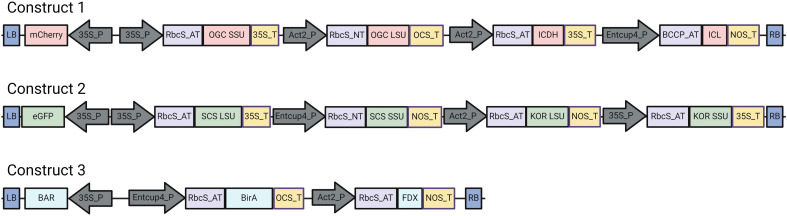 Figure 1
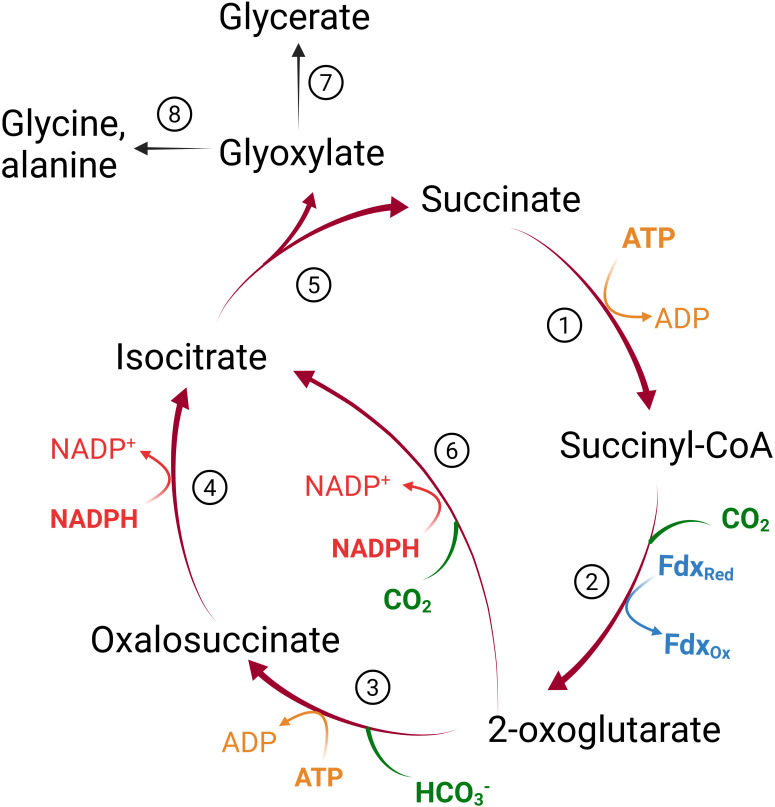 Figure 2
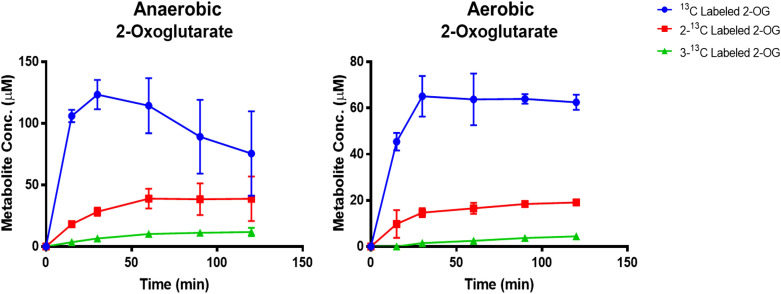 Figure 3
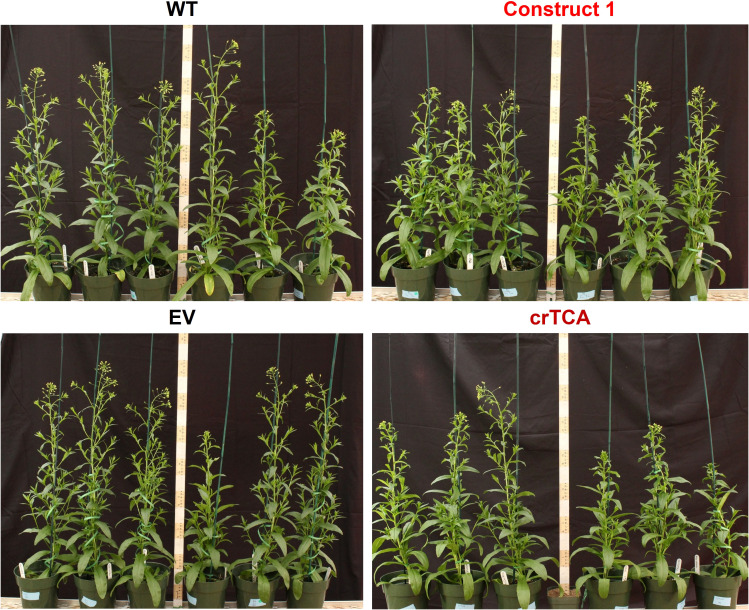 Figure 4
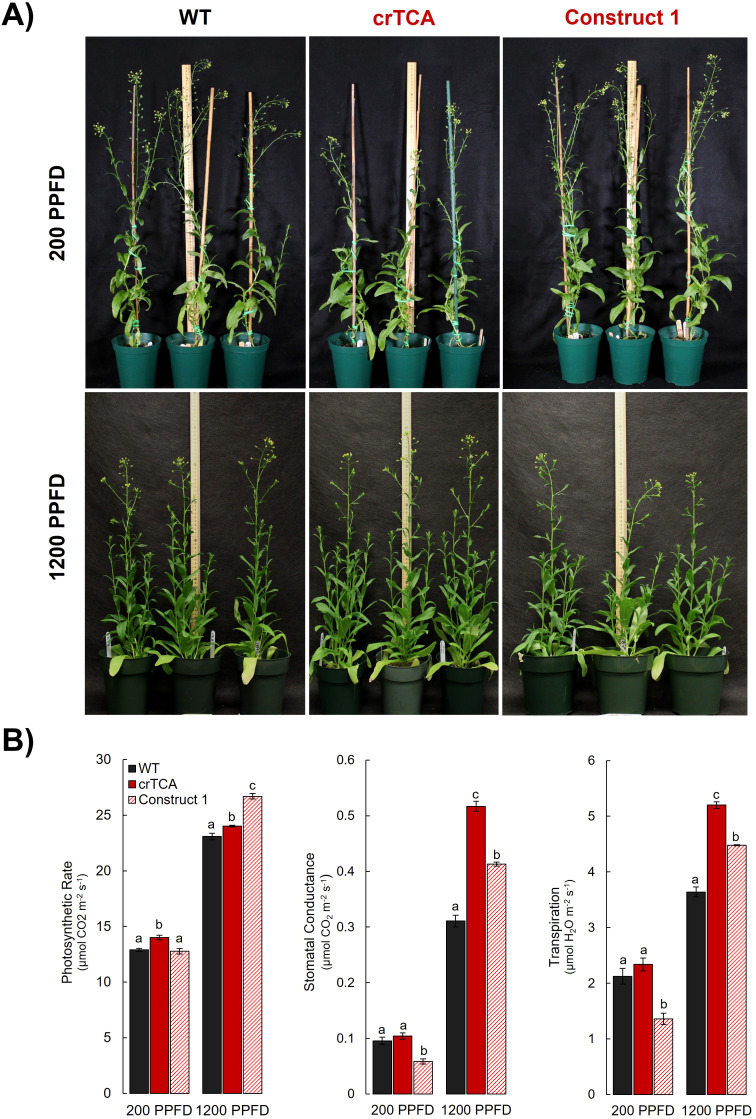 Figure 5
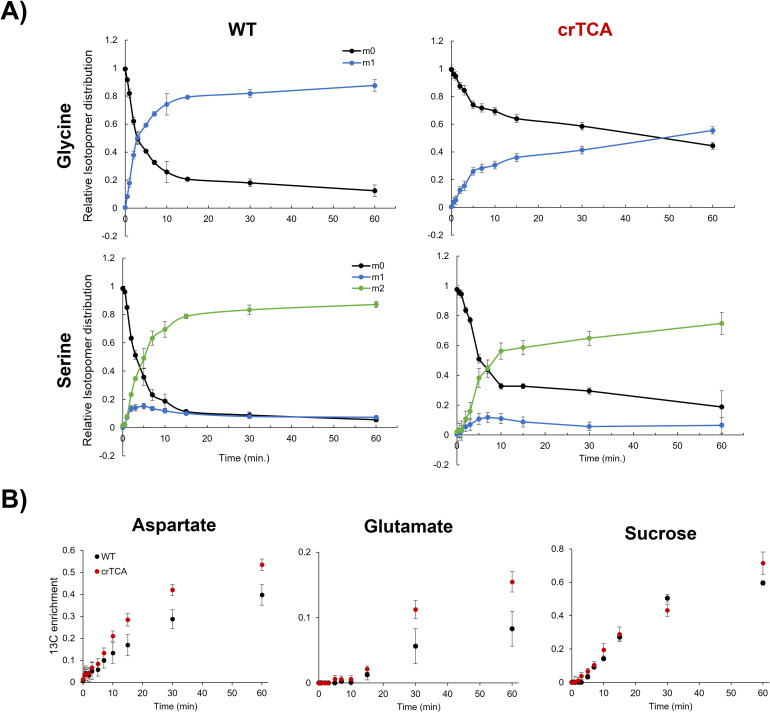 Figure 6
Peer Reviews
No public reviews on file for this paper yet. If you reviewed it on a platform where reviews are public (OpenReview, ICLR, NeurIPS, ICML), you can paste yours below so the community can read it here.
Videos
No videos yet. Explain this paper in a talk, walkthrough, or lecture? Add one.
Taxonomy
TopicsPlant tissue culture and regeneration · Plant Virus Research Studies · Plant Pathogens and Resistance