Trained autologous cytotoxic T-cells derived from PBMCs or splenocytes for immunotherapy of neuroblastoma
Xiaofang Wu, Mousumi Basu, Sarah L. Wright, Samuel Li, Mikael Petrosyan, Marie V. Nelson, Alex I. Halpern, Douglas Shea, Mark Yarmakovich, Anthony D. Sandler

TL;DR
This study explores a new immunotherapy approach for neuroblastoma by training a patient's own immune cells to target and destroy tumor cells.
Contribution
A novel method for generating potent tumor-specific T cells by modulating tumor cells with small molecule inhibitors and radiation.
Findings
Trained PBMCs showed potent cytotoxicity against patient-derived neuroblastoma cells.
Similar results were observed in a preclinical mouse model using trained splenocytes.
Modulating tumor cells with MYC inhibitors and STING antagonists enhanced immunogenicity.
Abstract
Pediatric solid tumors, particularly neuroblastoma, present significant treatment challenges due to the limited efficacy of existing therapies. Adoptive immunotherapy, which involves transferring immune cells has shown clinical promise. Optimizing the preparation of immune cells ex vivo is critical to enhancing tumor immunity. This study introduces a novel method for improving the efficacy of autologous peripheral blood mononuclear cells (PBMCs) for neuroblastoma treatment. An IRB-approved protocol was used to collect tumor samples and PBMCs from eight patients undergoing neuroblastoma biopsy or resection. Primary tumor cells were isolated, cultured, and characterized using Phox2b and synaptophysin staining. Autologous PBMCs were co-cultured with irradiated tumor cells pre-treated with MYC inhibitors (I-BET726, JQ1) and a STING antagonist (C170) to enhance immunogenicity and train…
Genes, proteins, chemicals, diseases, species, mutations and cell lines named across the full text — each resolved to its canonical identifier and authoritative record.
Click any figure to enlarge with its caption.
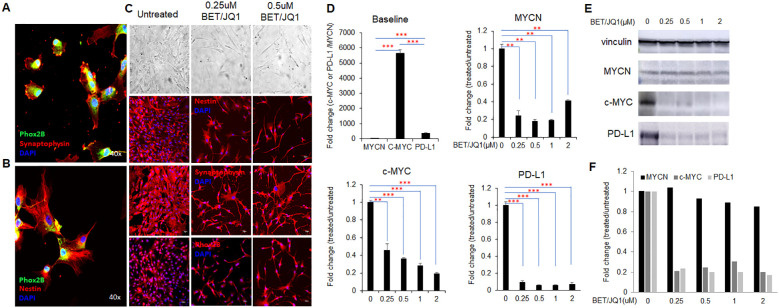 Figure 1
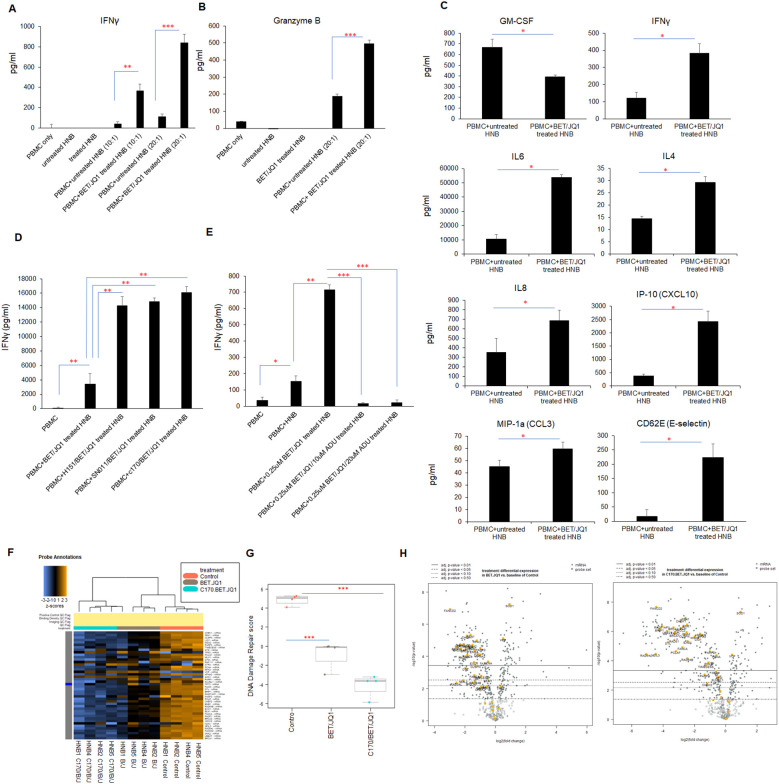 Figure 2
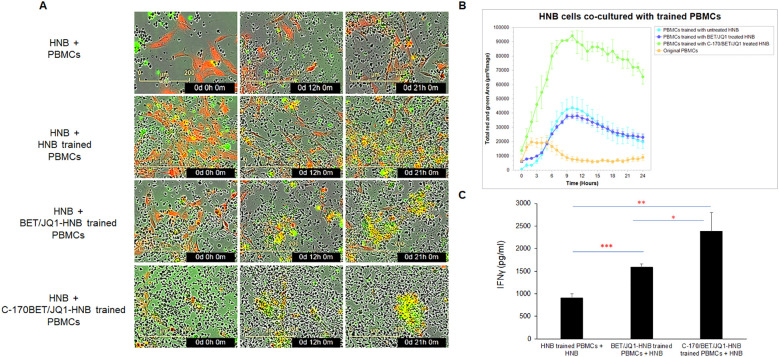 Figure 3
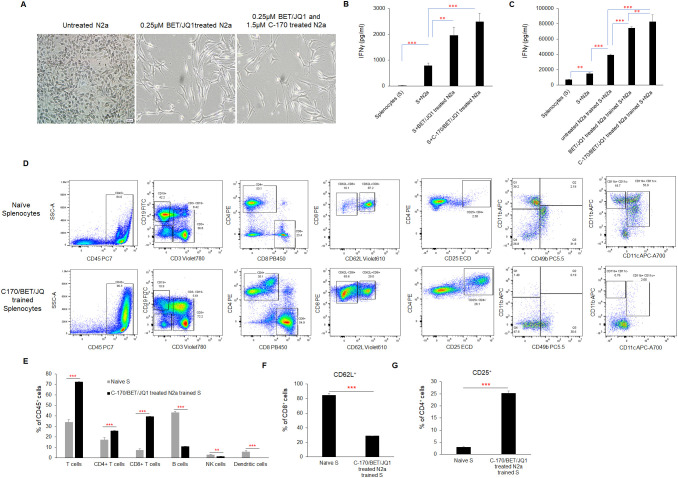 Figure 4
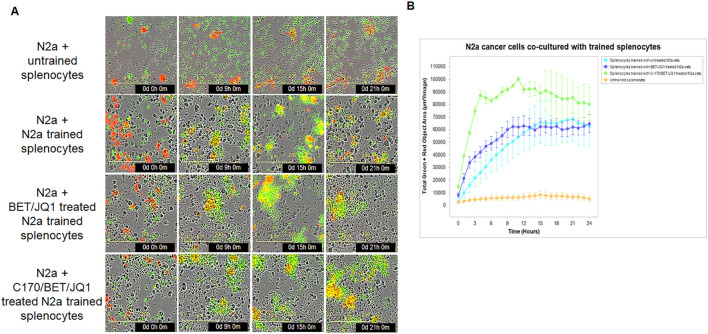 Figure 5
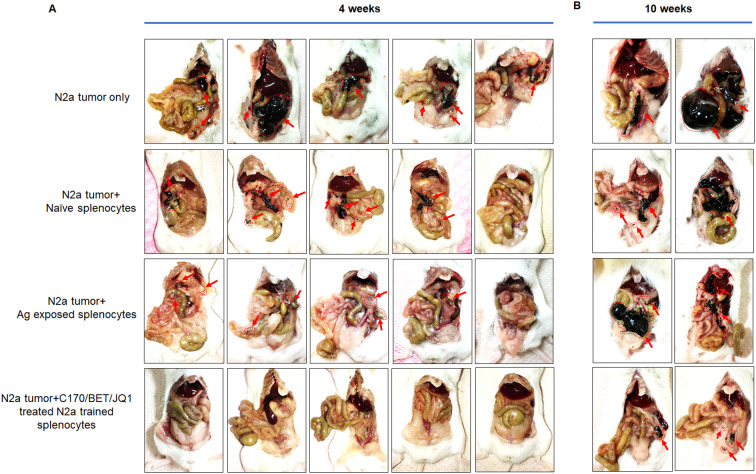 Figure 6
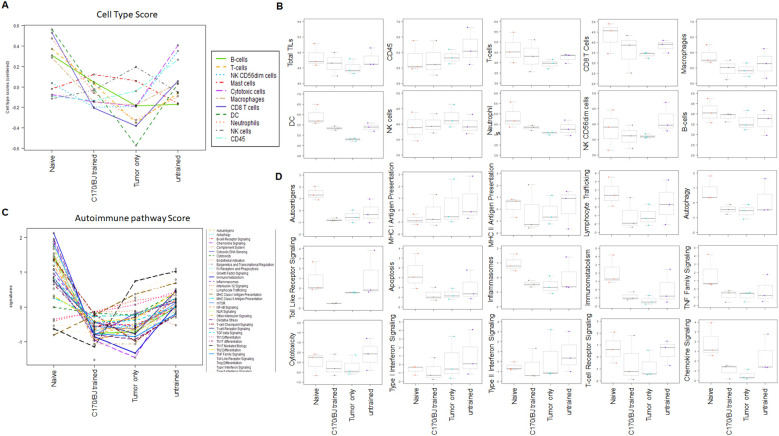 Figure 7
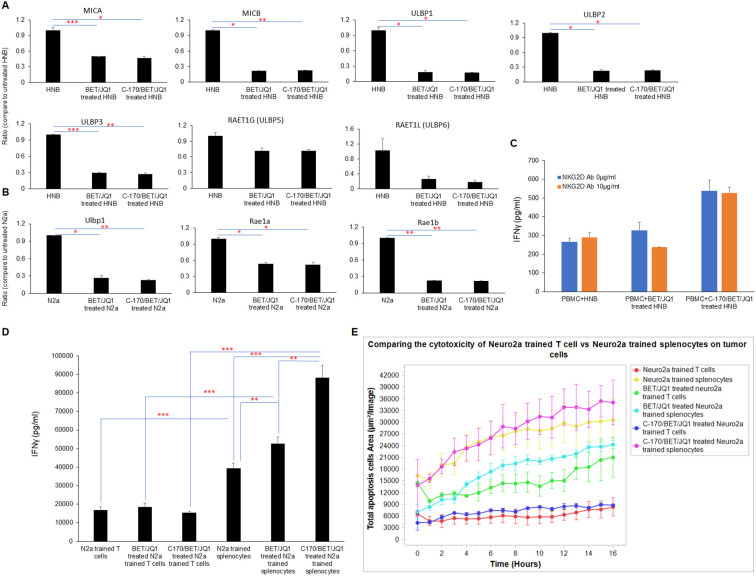 Figure 8
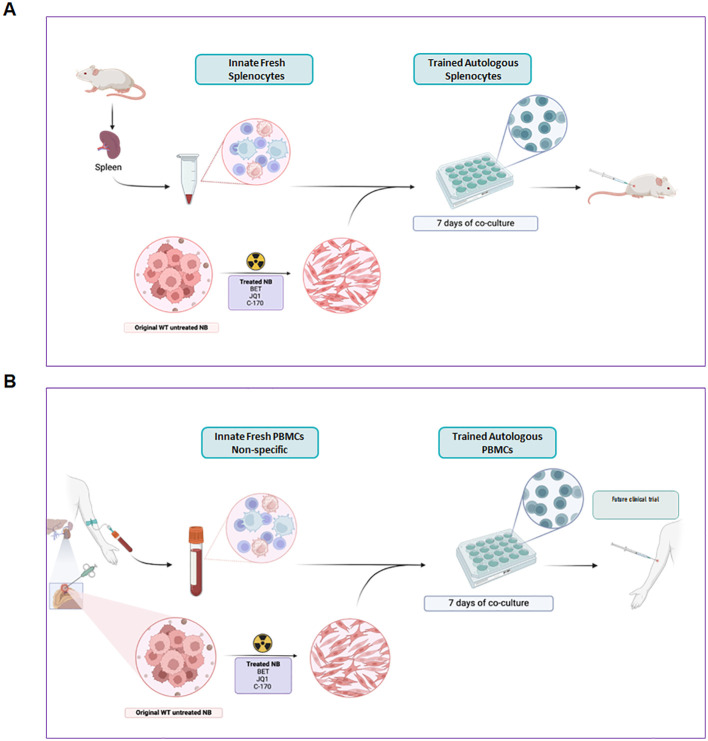 Figure 9
Peer Reviews
No public reviews on file for this paper yet. If you reviewed it on a platform where reviews are public (OpenReview, ICLR, NeurIPS, ICML), you can paste yours below so the community can read it here.
Videos
No videos yet. Explain this paper in a talk, walkthrough, or lecture? Add one.
Taxonomy
TopicsCAR-T cell therapy research · Virus-based gene therapy research · Viral Infectious Diseases and Gene Expression in Insects