Unraveling and rectifying the free-riding behavior among students in university flipped classrooms: a uninorm DEMATEL method
Shiyu Yan, Lisheng Jiang, Zhili Zuo, Lixuan An, Li Wang

TL;DR
This paper introduces a method to detect and correct free-riding in university flipped classrooms to promote fairness and improve learning outcomes.
Contribution
A novel uninorm DEMATEL method is proposed to quantify and address free-riding behavior in flipped classrooms.
Findings
Free-riding behavior exists in flipped classrooms, and quantifying it allows for targeted interventions.
Discounted scores improve student motivation and fairness in assessments.
Group scores and group size are not directly linked to unfairness indices.
Abstract
Flipped classrooms move education toward a more student- and learning-centered pedagogy and practice. When flipped classrooms are applied, a free-riding phenomenon may occur when certain students in a group do not participate completely in group tasks but receive the same grade as the other students, which creates unfairness and is not conducive to the sustainable development of university education. As far as we know, quantifying the unfairness caused by free-riding in flipped classrooms is still a problem that needs to be addressed. This paper proposes a fair assessment framework to unravel and rectify student free-riding in flipped classrooms. Firstly, the uninorm DEcision-MAking Trial and Evaluation Laboratory (DEMATEL) method is proposed to generate comprehensive indices of students. Secondly, the unfairness indices of groups and the discount parameters of students are determined…
Genes, proteins, chemicals, diseases, species, mutations and cell lines named across the full text — each resolved to its canonical identifier and authoritative record.
Click any figure to enlarge with its caption.
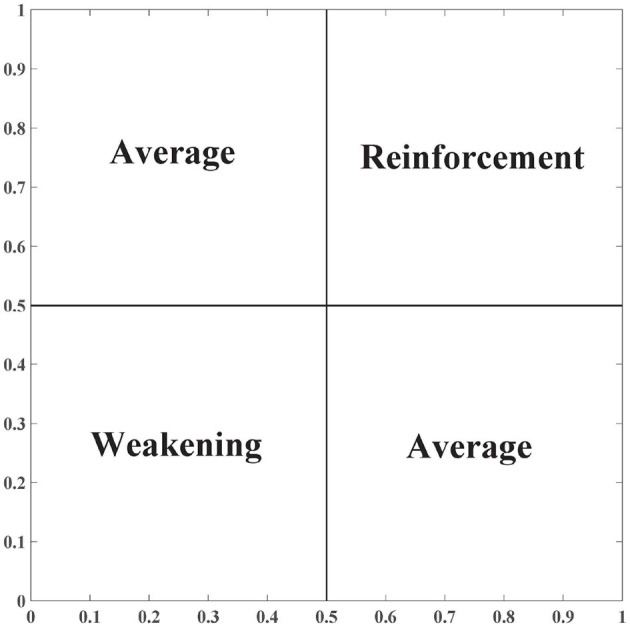 Figure 1
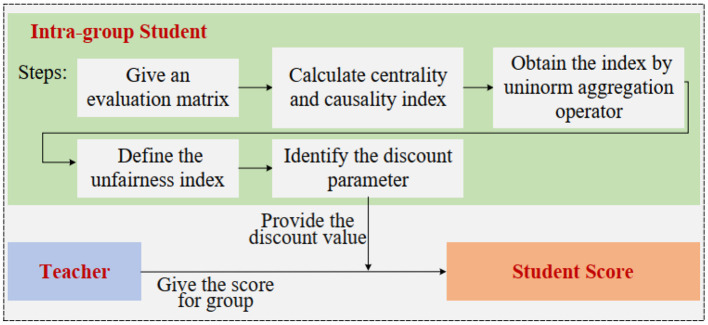 Figure 2
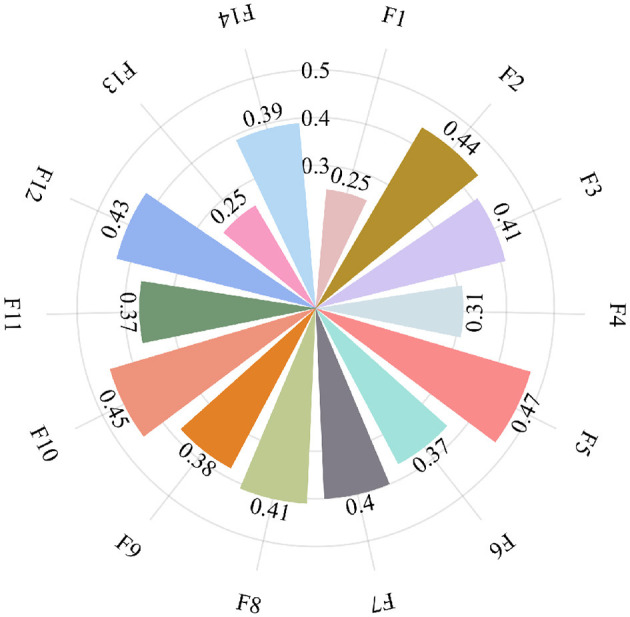 Figure 3
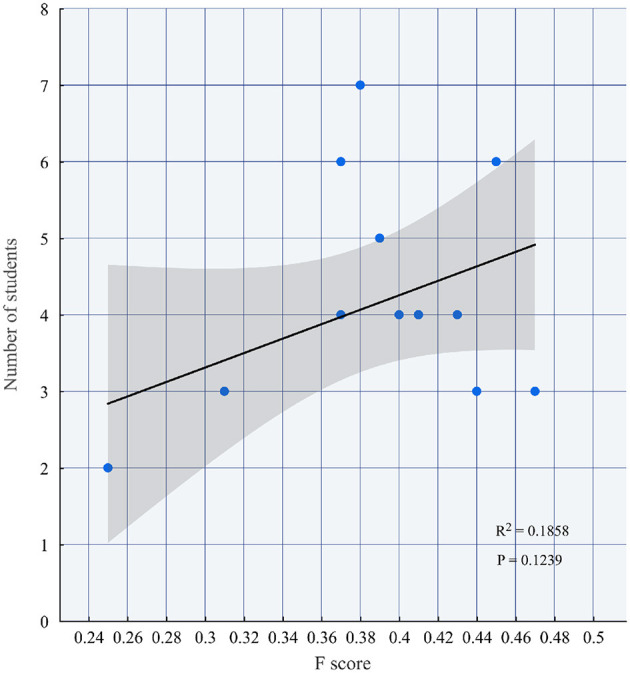 Figure 4
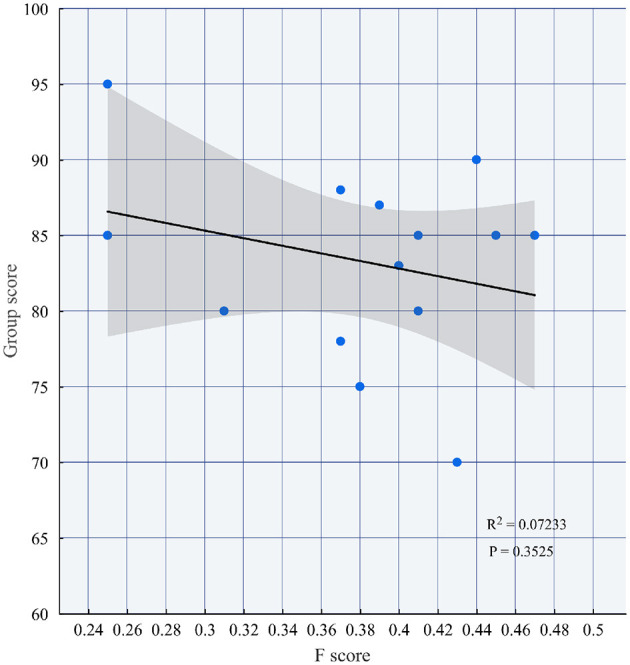 Figure 5
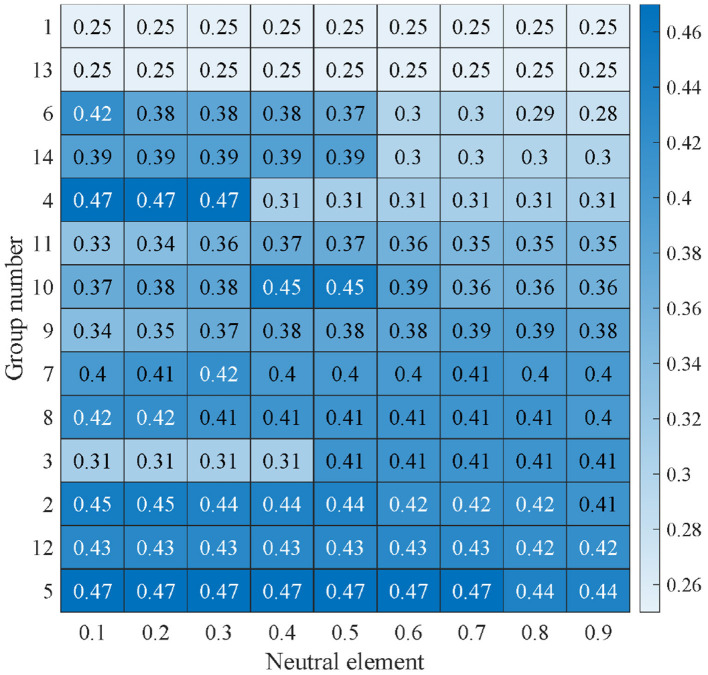 Figure 6
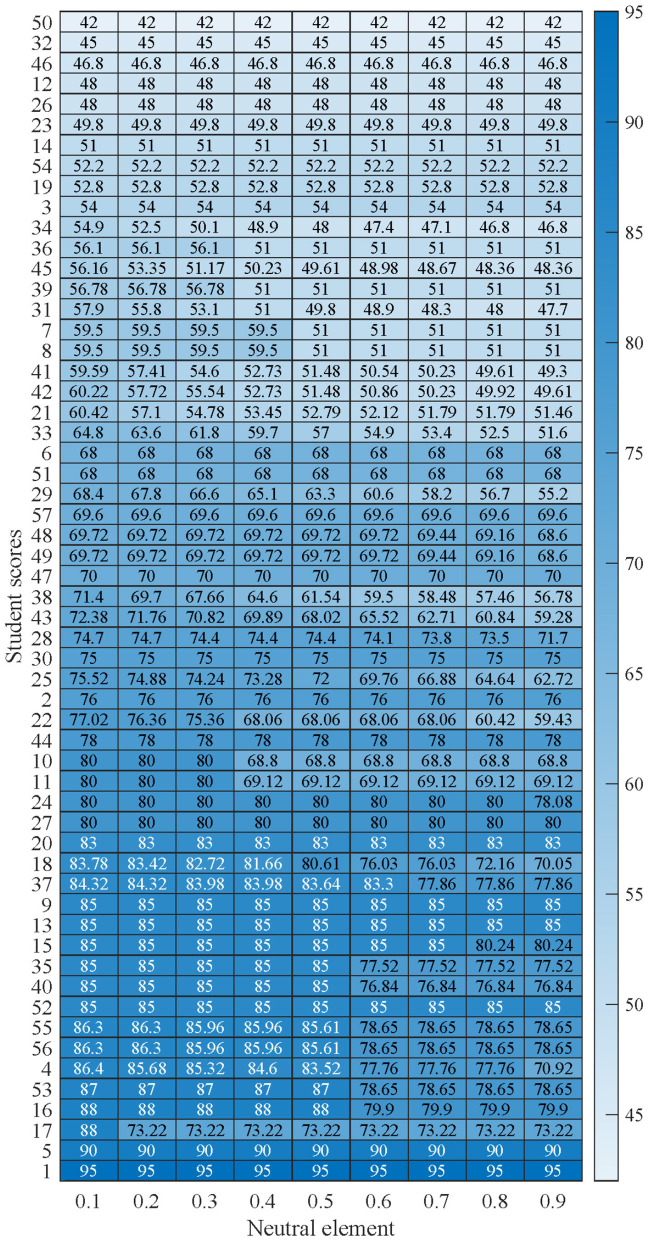 Figure 7
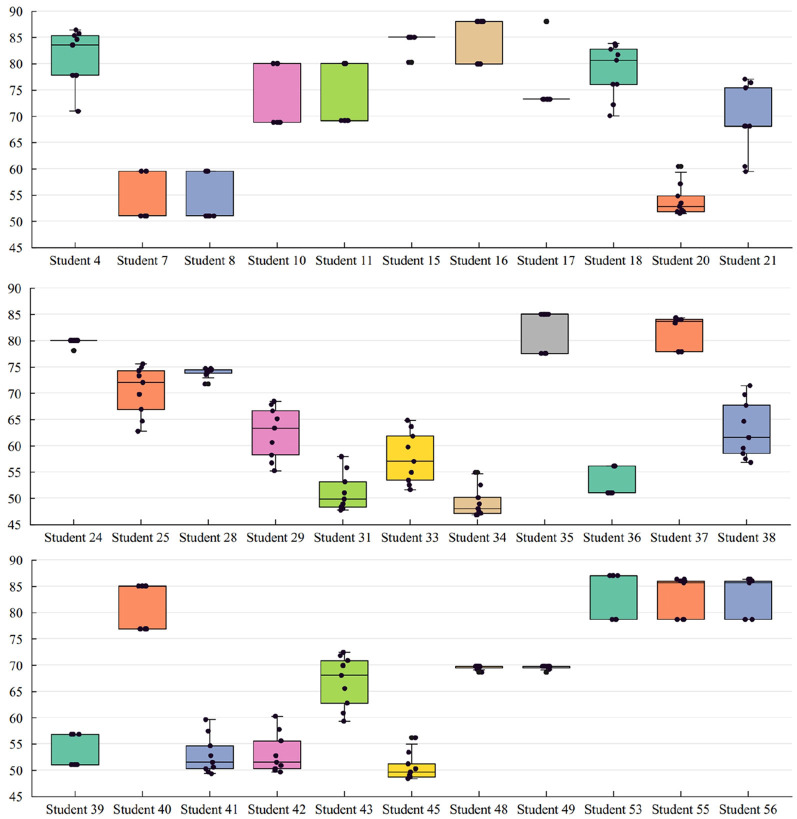 Figure 8
Peer Reviews
No public reviews on file for this paper yet. If you reviewed it on a platform where reviews are public (OpenReview, ICLR, NeurIPS, ICML), you can paste yours below so the community can read it here.
Videos
No videos yet. Explain this paper in a talk, walkthrough, or lecture? Add one.
Taxonomy
TopicsInnovative Teaching Methods · Online and Blended Learning · Online Learning and Analytics