Ravulizumab is Effective and Safe for Neuromyelitis Optica Spectrum Disorder Patients in Various Clinical Settings: A Single-Center Case Series with Concomitant Use of Rituximab
Ryota Amano

TL;DR
Ravulizumab is shown to be effective and safe for treating NMOSD patients in various clinical situations, including during infections like COVID-19 and when switching from other biologics.
Contribution
The study demonstrates the safe and effective use of ravulizumab in combination with rituximab and during transitions from other therapies.
Findings
Ravulizumab effectively prevented relapses and was safe when used with rituximab for six months.
Ravulizumab was successfully used in a patient with acute COVID-19 without increased infection risk.
CH50 levels fluctuated but normalized after ravulizumab administration, suggesting timing affects monitoring accuracy.
Abstract
Neuromyelitis optica spectrum disorder (NMOSD) is an autoimmune disease characterized by inflammation of the optic nerves and spinal cord, often associated with anti-aquaporin-4 antibodies. Ravulizumab (RVZ), a monoclonal antibody targeting complement protein C5, has shown promise in reducing relapse rates and preventing neurological deterioration. However, studies reporting its use in specific clinical circumstances, such as switching from or to other biologics, or during infectious episodes such as COVID-19, are scarce. This case series presents four patients with NMOSD treated with RVZ, highlighting its effectiveness and safety in diverse scenarios. Notably, two patients transitioned from satralizumab to RVZ without relapse or elevated infection risk, supporting RVZ as a viable alternative. However, persistent neurological symptoms affecting quality of life, despite relapse control,…
Genes, proteins, chemicals, diseases, species, mutations and cell lines named across the full text — each resolved to its canonical identifier and authoritative record.
Click any figure to enlarge with its caption.
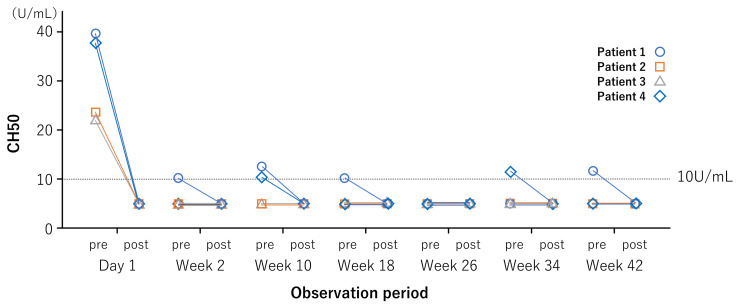 Figure 1
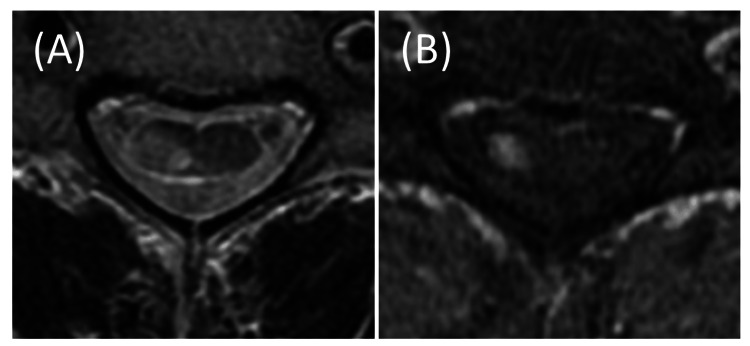 Figure 2
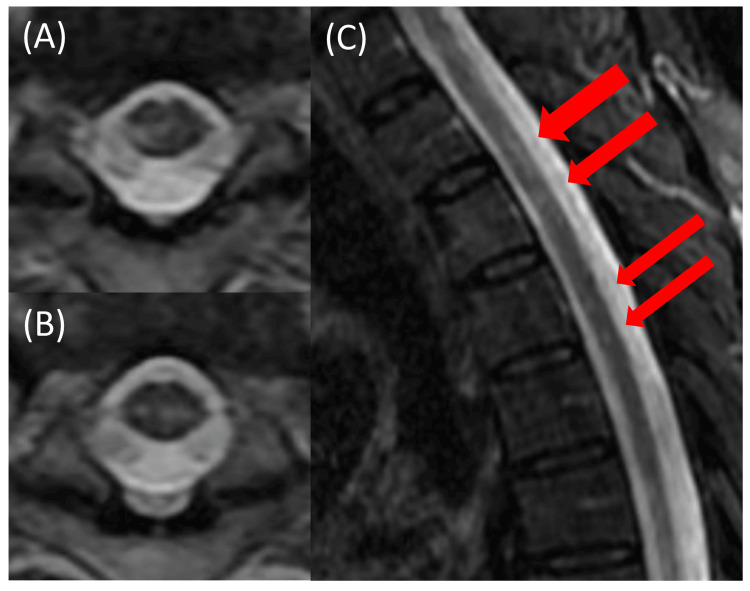 Figure 3
Peer Reviews
No public reviews on file for this paper yet. If you reviewed it on a platform where reviews are public (OpenReview, ICLR, NeurIPS, ICML), you can paste yours below so the community can read it here.
Videos
No videos yet. Explain this paper in a talk, walkthrough, or lecture? Add one.
Taxonomy
TopicsMultiple Sclerosis Research Studies · Peripheral Neuropathies and Disorders · Autoimmune and Inflammatory Disorders Research