Comprehensive biomarker profiling reveals distinct molecular signatures across stone types: a large-scale cross-sectional study in Southern China
Qingjiang Chen, Linliang Huang, Suilin Wang, Daqiang Wei, Jiancai Lu, Xiujing Han, Zhenglin Chang

TL;DR
A large study in Southern China found unique blood markers for different types of stones, which could help diagnose them earlier and understand their causes.
Contribution
The study is the first to identify distinct clinical biomarker patterns specific to different stone types using routine lab parameters.
Findings
Elevated serum creatinine and cystatin C are linked to uric acid stones.
PSA and monocyte counts are increased in prostatic calculi.
Gallstones are associated with higher basophils, ceruloplasmin, and immunoglobulin-A levels.
Abstract
Stone diseases represent a significant global health burden affecting 10%–15% of the population worldwide. Despite advances in diagnostic imaging, current approaches often lack the ability to predict stone formation or differentiate between stone types at early stages. This retrospective study analyzed data from 61,310 stone patients and 55,010 matched controls using 1:1 propensity score matching. Stone cases were categorized into five major groups and further subdivided by organ system. Comprehensive serum biomarker profiling was conducted using automated biochemistry analyzers. Urinary system stones constituted the largest proportion (80.97%), followed by biliary system stones (21.12%). The study revealed distinct biomarker signatures: elevated serum creatinine and cystatin C in uric acid stones; increased PSA and monocyte counts in prostatic calculi; elevated β2-microglobulin and…
Genes, proteins, chemicals, diseases, species, mutations and cell lines named across the full text — each resolved to its canonical identifier and authoritative record.
Click any figure to enlarge with its caption.
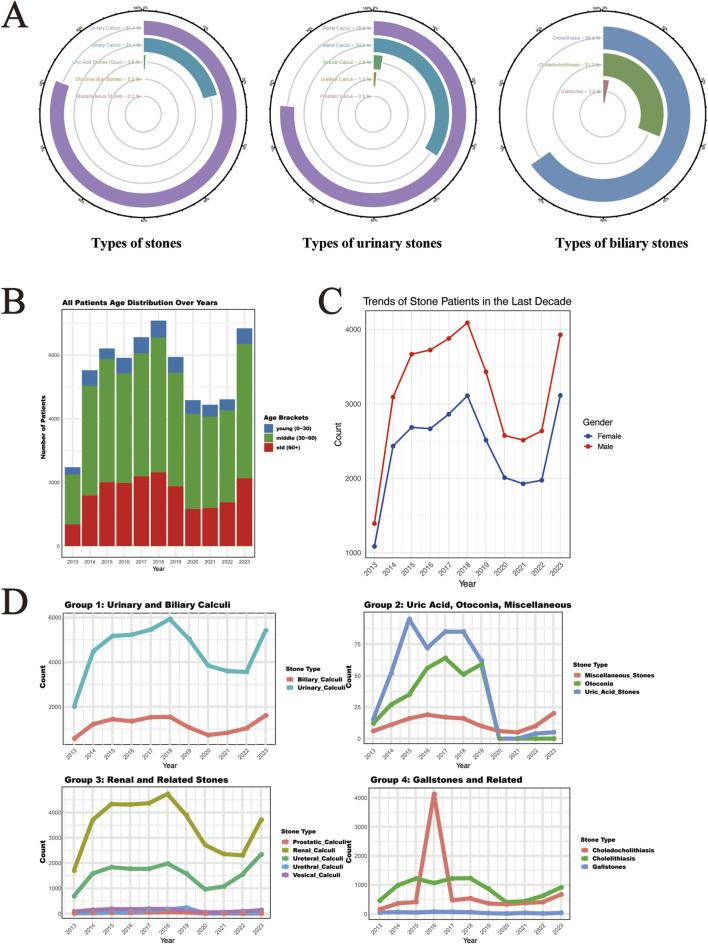 Figure 1
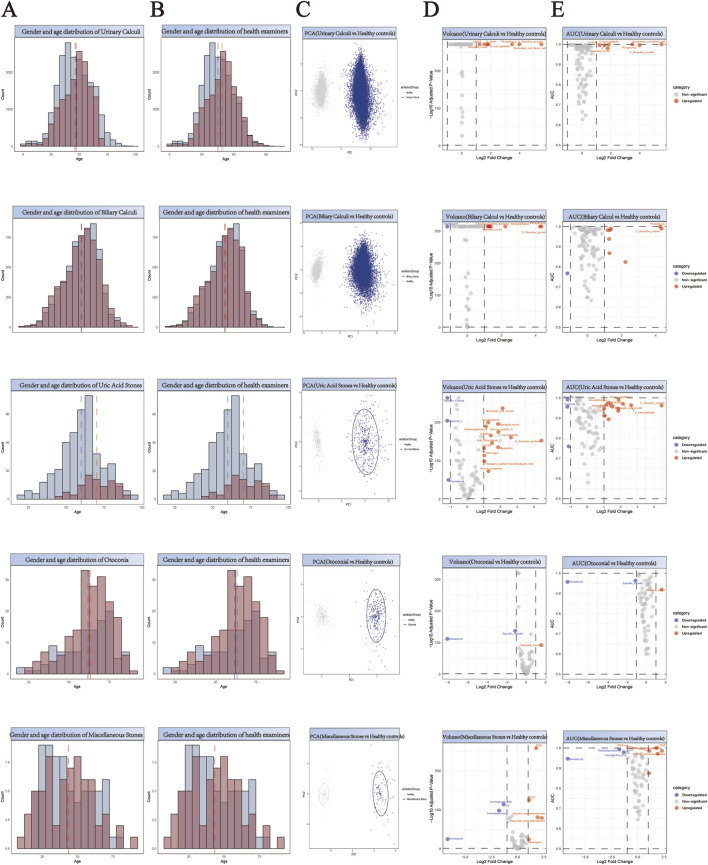 Figure 2
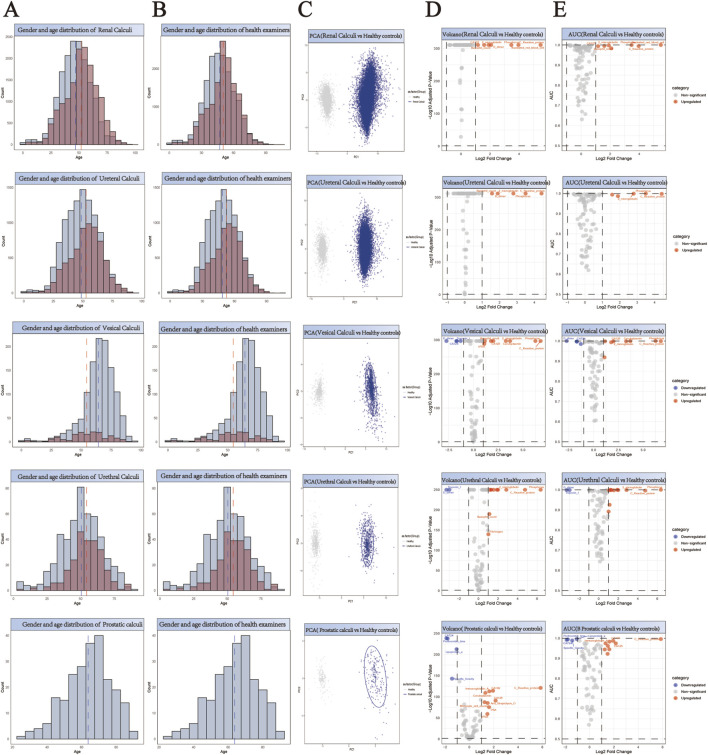 Figure 3
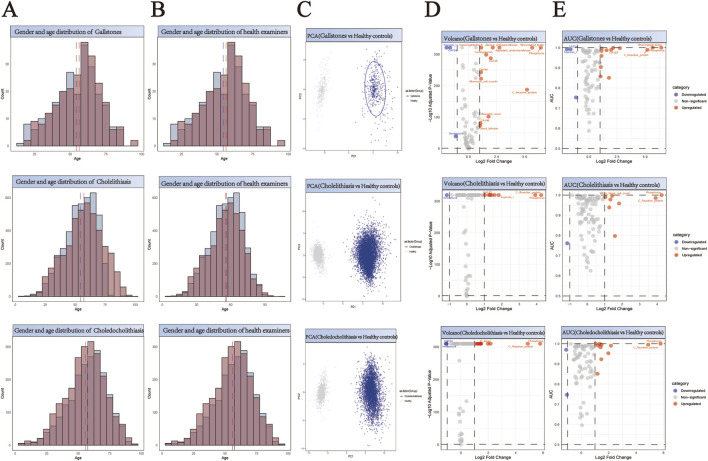 Figure 4
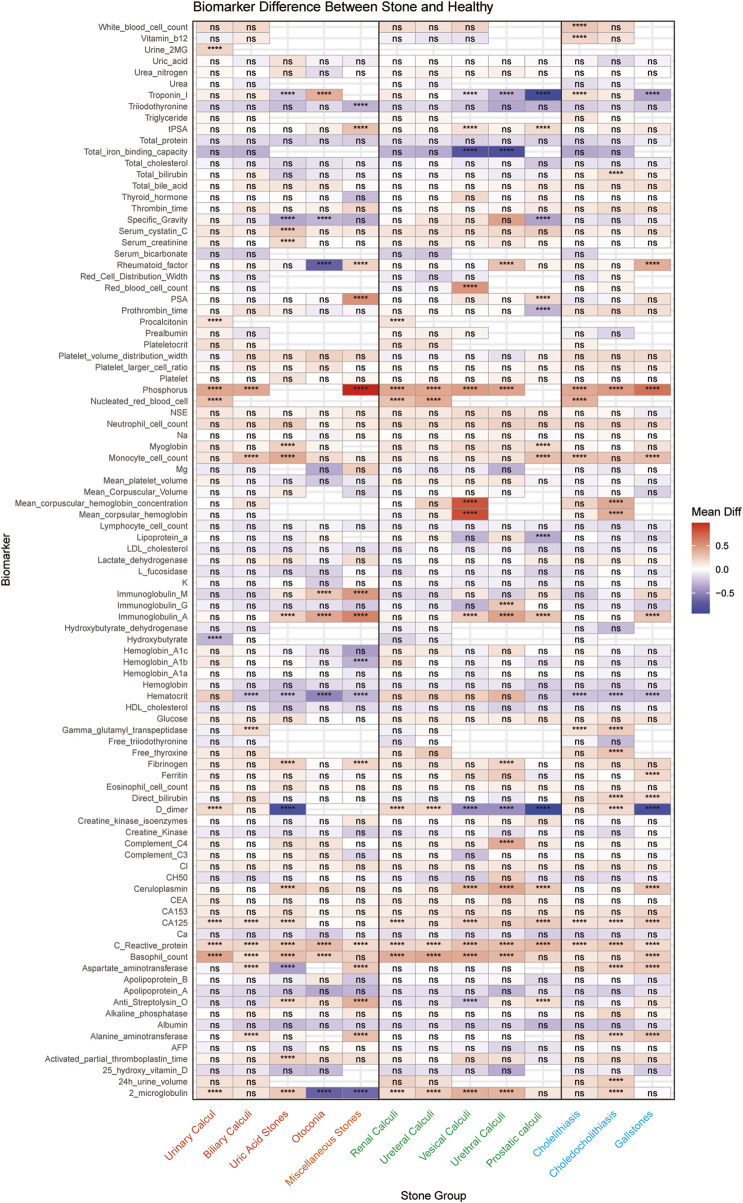 Figure 5
Peer Reviews
No public reviews on file for this paper yet. If you reviewed it on a platform where reviews are public (OpenReview, ICLR, NeurIPS, ICML), you can paste yours below so the community can read it here.
Videos
No videos yet. Explain this paper in a talk, walkthrough, or lecture? Add one.
Taxonomy
TopicsForensic and Genetic Research · Trace Elements in Health · Molecular Biology Techniques and Applications