Assessment of epicardial adipose tissue volume and carotid intima-media thickness in children with primary arterial hypertension by magnetic resonance imaging
Nina Schweighofer, Natasa Marcun Varda, Primoz Caf, Mitja Rupreht, Vojko Kanic, Petra Povalej Brzan

TL;DR
This study found that children with high blood pressure have more heart-related fat and thicker artery walls, suggesting early signs of heart disease.
Contribution
The study is the first to use MRI to link epicardial fat and carotid thickness in children with hypertension.
Findings
Hypertensive children had significantly higher epicardial adipose tissue volume than healthy controls.
Carotid intima-media thickness was also increased in children with primary arterial hypertension.
Epicardial adipose tissue volume was an independent predictor of carotid thickness.
Abstract
Epicardial adipose tissue (EAT) is a biologically active visceral brown adipose tissue, which is irregularly distributed across myocardium. It has emerged as a potential modifiable cardiometabolic biomarker in adults, demonstrating pro-inflammatory properties with involvement in subclinical atherosclerosis. The increased thickness of the inner two layers of the carotid artery wall (intima and media) in childhood can pose as a risk of the development of atherosclerotic disease and its complications in adult life, representing additional potential biomarker. The purpose of our study was to evaluate a relation between EAT volume (EATV) and carotid intima-media thickness (cIMT) in children and adolescents who have been diagnosed with primary arterial hypertension (AH), utilizing magnetic resonance imaging (MRI). The study included 72 children and adolescents, half of them had an…
Genes, proteins, chemicals, diseases, species, mutations and cell lines named across the full text — each resolved to its canonical identifier and authoritative record.
Click any figure to enlarge with its caption.
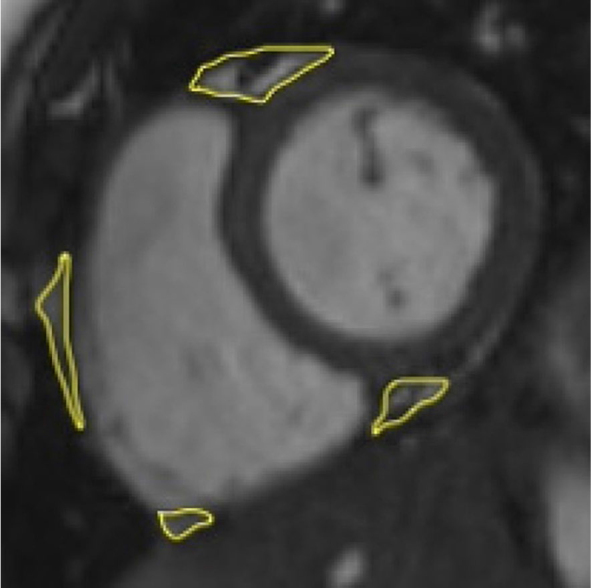 Figure 1
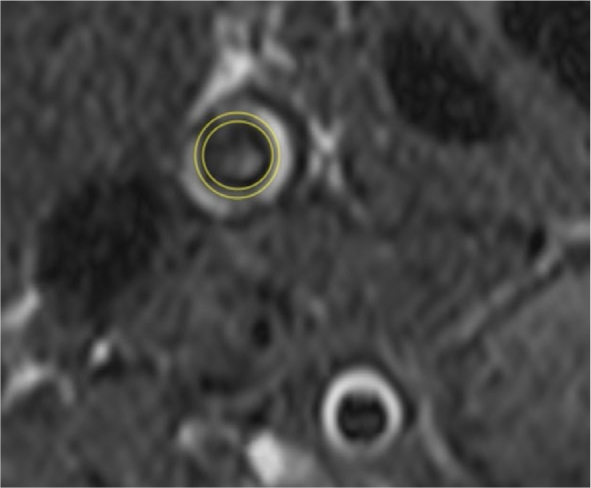 Figure 2
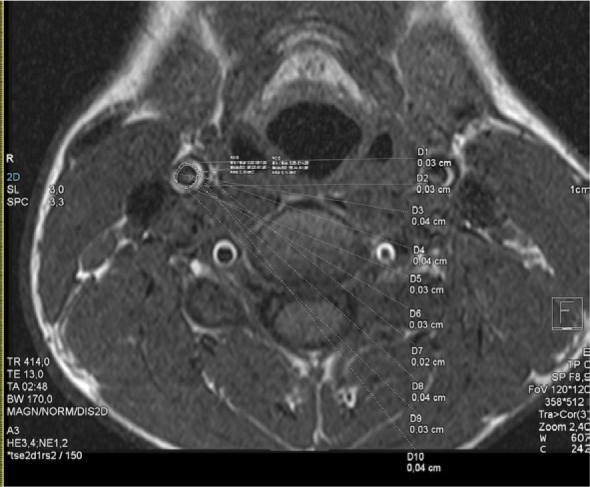 Figure 3
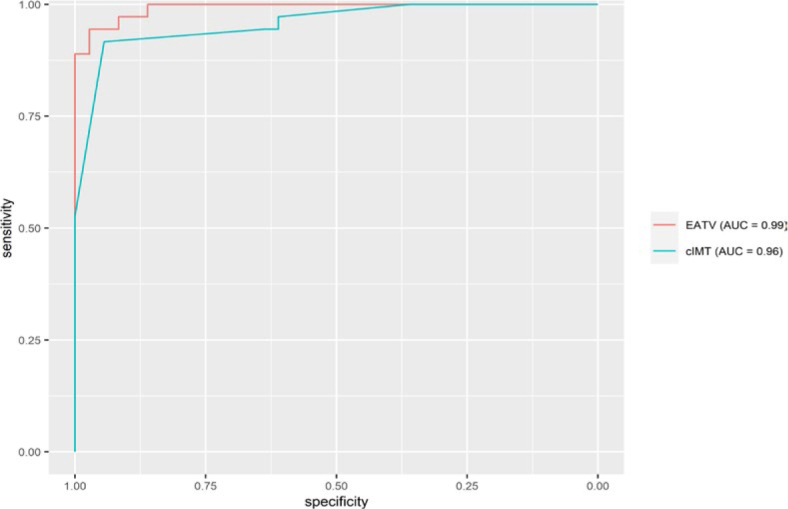 Figure 4
Peer Reviews
No public reviews on file for this paper yet. If you reviewed it on a platform where reviews are public (OpenReview, ICLR, NeurIPS, ICML), you can paste yours below so the community can read it here.
Videos
No videos yet. Explain this paper in a talk, walkthrough, or lecture? Add one.
Taxonomy
TopicsCardiovascular Disease and Adiposity · Cardiovascular Health and Disease Prevention · Cardiovascular, Neuropeptides, and Oxidative Stress Research