Angiotensin II in Catecholamine-Refractory Shock: A Systematic Review and Exploratory Analysis of the Angiotensin II for the Treatment of High-Output Shock (ATHOS-3) Trial
S. Khallikane, Youssef Qamouss, Monsef Elabdi, Abdelmajid Bouzerda, Ali Khatouri, Mohamed Zyani, Rachid Seddiki

TL;DR
Angiotensin II can help raise blood pressure and reduce kidney treatment needs in patients with severe shock unresponsive to standard drugs.
Contribution
Demonstrates angiotensin II's efficacy and safety in catecholamine-refractory vasodilatory shock, with subpopulation insights.
Findings
Angiotensin II significantly increased mean arterial pressure within 30 minutes in patients with vasodilatory shock.
Patients receiving angiotensin II had a lower rate of needing renal replacement therapy compared to placebo.
Therapeutic response was greater in patients with elevated baseline plasma renin levels.
Abstract
Vasodilatory shock that does not respond to high-dose catecholamine vasopressors remains a life-threatening condition and is characterized by severe hypotension and high mortality. Angiotensin II, a non-catecholamine vasopressor that activates angiotensin type 1 receptors, has emerged as a potential therapeutic agent for restoring vascular tone in this setting. This systematic review aimed to evaluate the efficacy, safety, and hemodynamic effects of intravenous angiotensin II in adult patients with vasodilatory shock unresponsive to catecholamines, with a focus on data from the Angiotensin II for the Treatment of High-Output Shock (ATHOS-3) randomized trial and related studies. Following the Preferred Reporting Items for Systematic Reviews and Meta-Analyses (PRISMA) 2020 guidelines, a systematic search was performed to identify randomized controlled trials and protocol-based…
Genes, proteins, chemicals, diseases, species, mutations and cell lines named across the full text — each resolved to its canonical identifier and authoritative record.
Click any figure to enlarge with its caption.
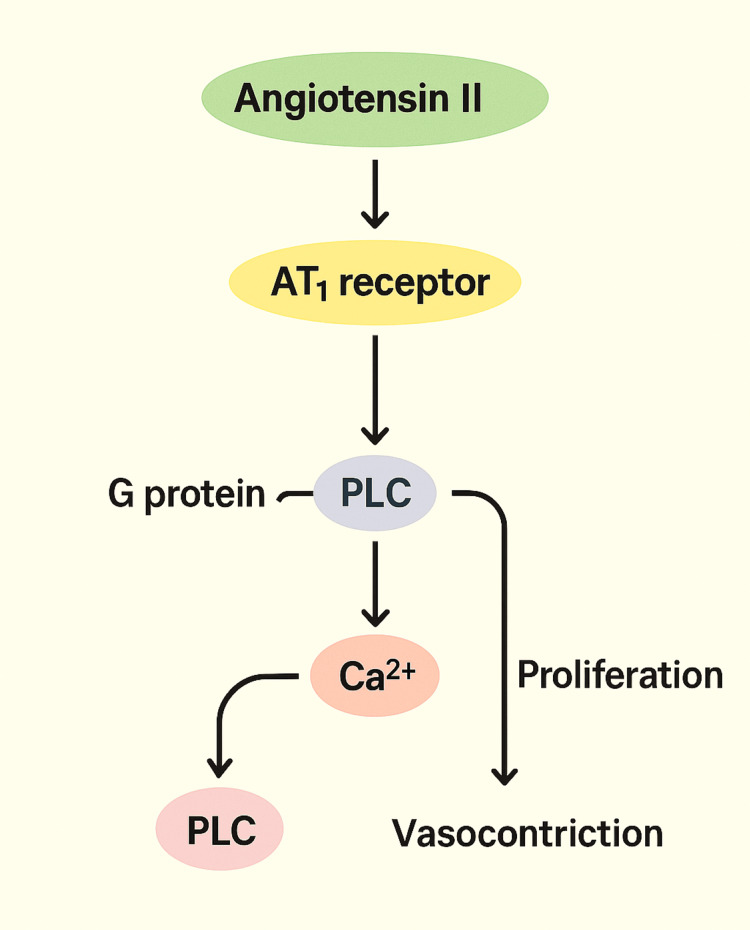 Figure 1
 Figure 2
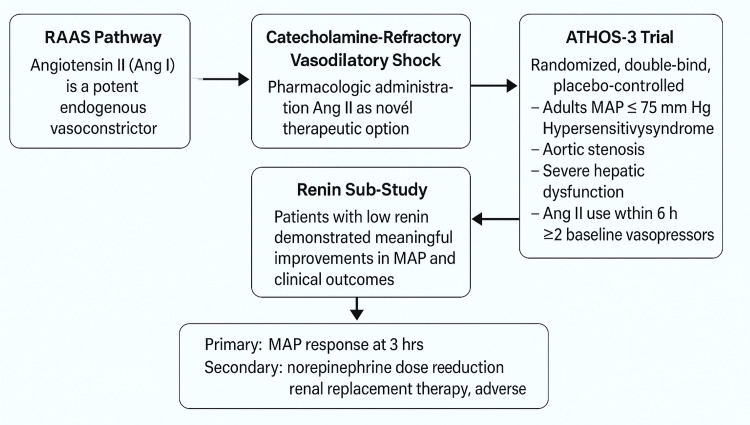 Figure 3
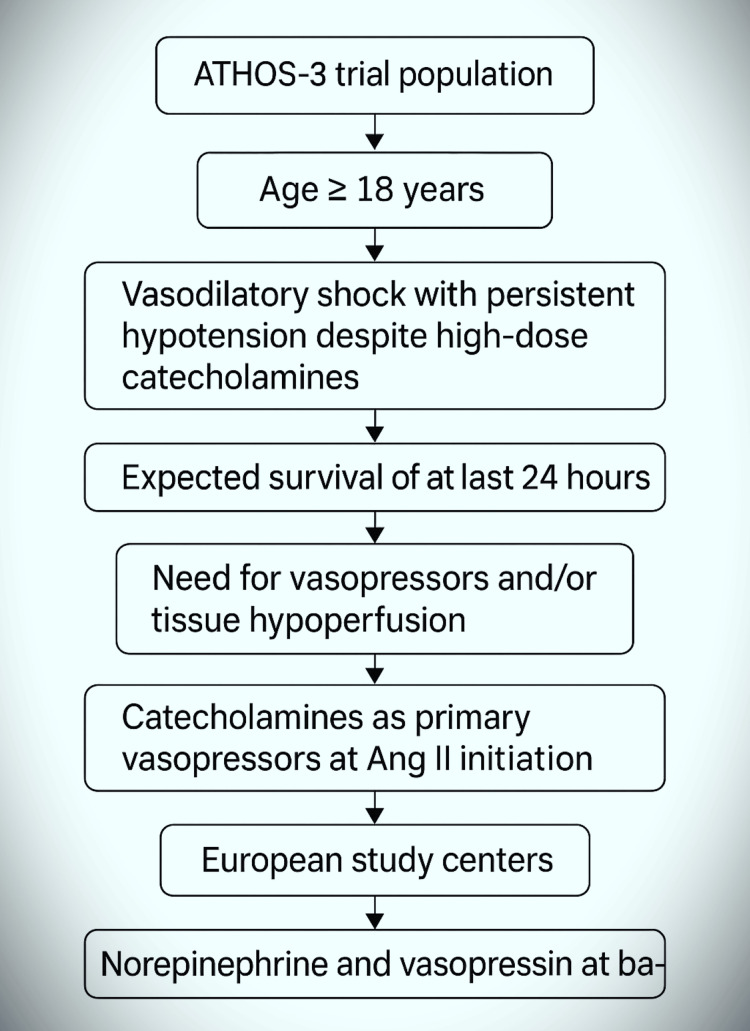 Figure 4
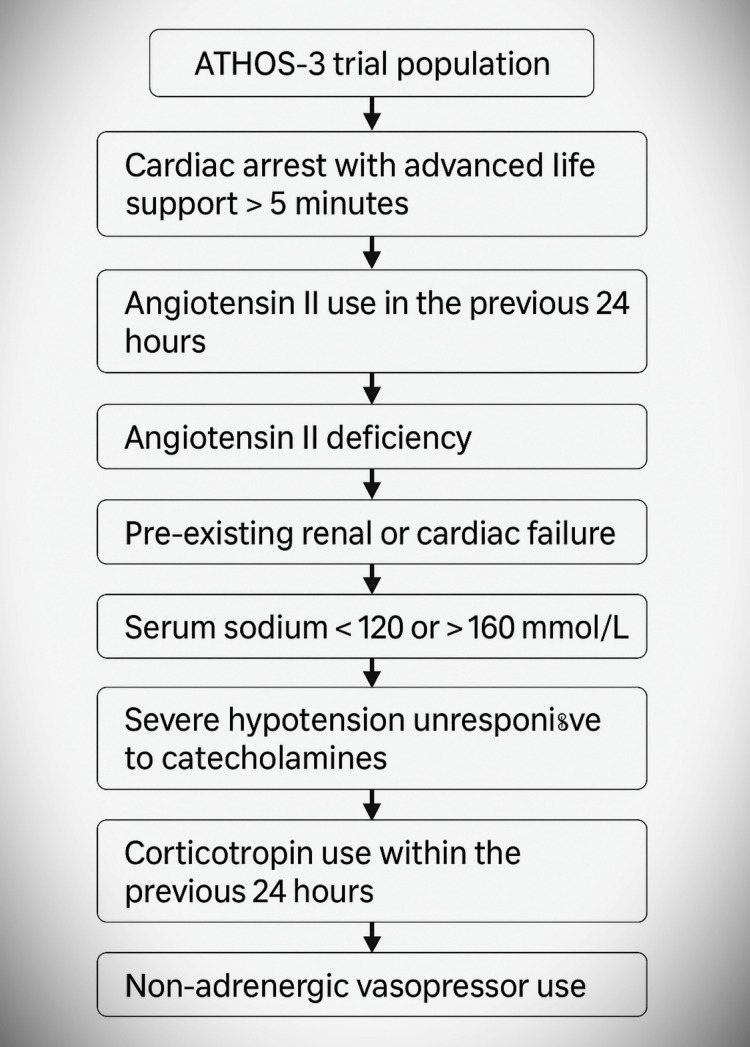 Figure 5
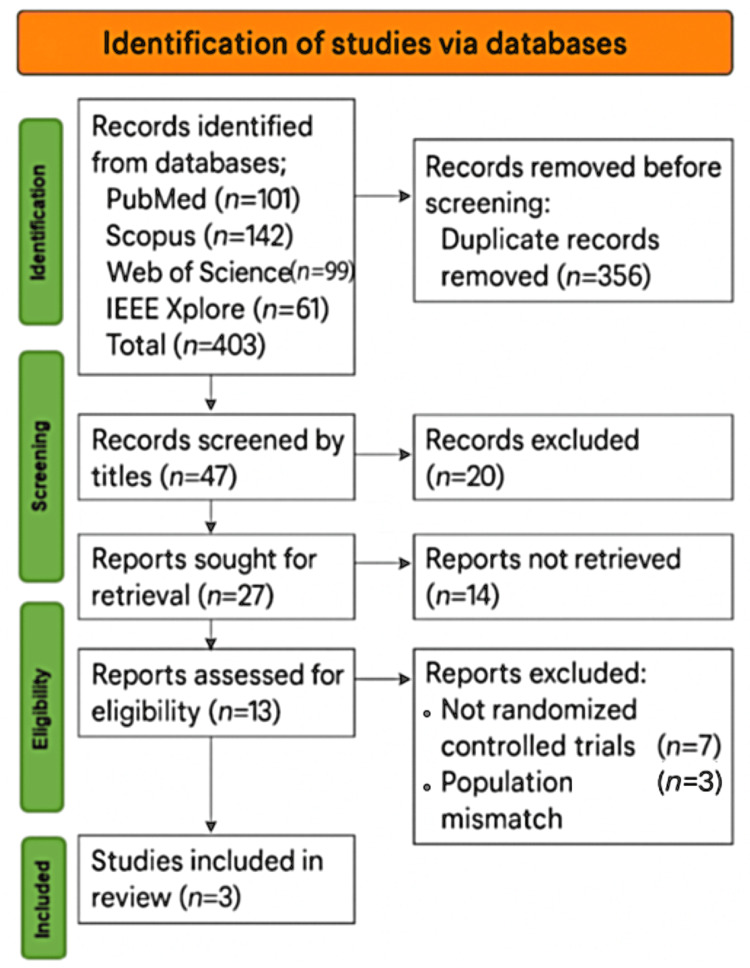 Figure 6
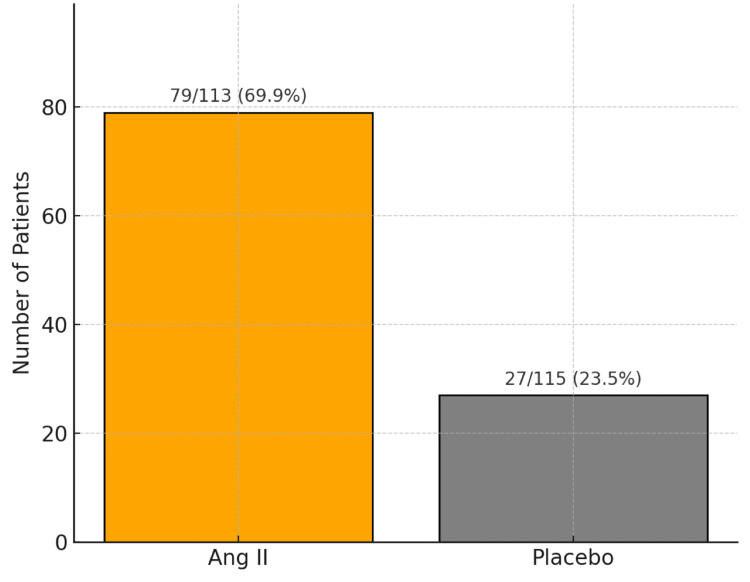 Figure 7
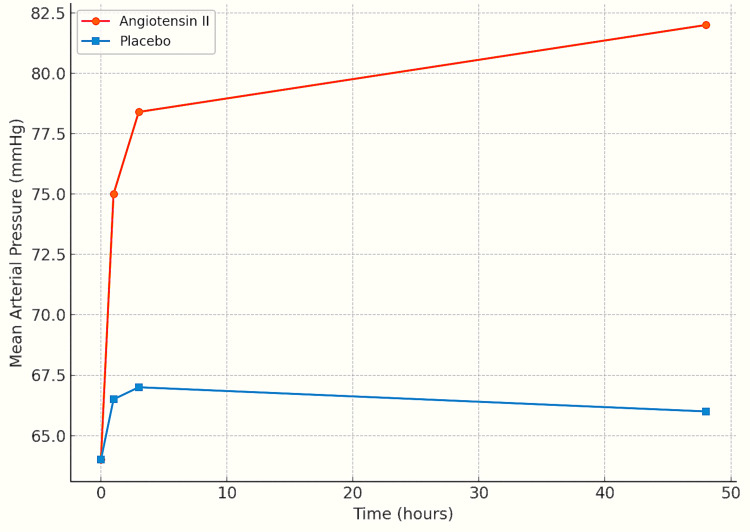 Figure 8
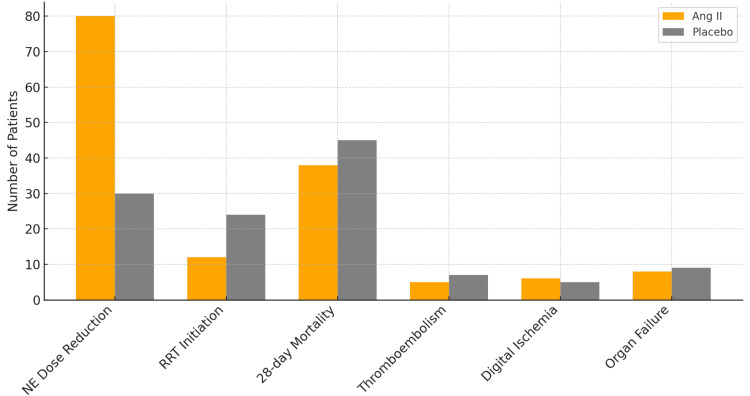 Figure 9
Peer Reviews
No public reviews on file for this paper yet. If you reviewed it on a platform where reviews are public (OpenReview, ICLR, NeurIPS, ICML), you can paste yours below so the community can read it here.
Videos
No videos yet. Explain this paper in a talk, walkthrough, or lecture? Add one.
Taxonomy
TopicsCardiac Arrest and Resuscitation · Trauma, Hemostasis, Coagulopathy, Resuscitation · Sepsis Diagnosis and Treatment