A novel 14-3-3θ phosphomimetic mouse model demonstrates social dominance defects
Mary A. Gannon, Thanushri Srikantha, Rudradip Pattanayak, Navya Kapa, Aneesh Pathak, A. Claire Roberts, William J. Stone, Kasandra Scholz, Roschongporn Ekkatine, Talene A. Yacoubian

TL;DR
A new mouse model with a modified 14-3-3θ protein shows reduced social dominance, offering insights into neurodegenerative diseases.
Contribution
A novel conditional knock-in mouse model with a 14-3-3θ S232D phosphomimetic mutation was developed and characterized.
Findings
Mice with the S232D mutation showed mild motor deficits and reduced social dominance.
No α-synuclein or phospho-tau pathology was observed in S232D mice.
Dendritic arborization in hippocampal cultures from S232D mice was normal.
Abstract
14-3-3 proteins, particularly the 14-3-3θ isoform, are neuroprotective in several models of Parkinson's disease (PD). Evidence for increased 14-3-3θ phosphorylation observed in PD and other neurodegenerative diseases points to a possible pathogenic role for 14-3-3θ phosphorylation in neurodegenerative disease. We recently created a novel conditional knock-in mouse to express the 14-3-3θ S232D phosphomimetic mutation. After crossing this conditional knock-in mouse with the Emx1-Cre mouse in order to induce expression of the S232D mutation in the cortex and hippocampus, we evaluated the effect of 14-3-3θ phosphorylation on behavior and pathology. These mice demonstrated mild motor deficits and reduced social dominance behavior but showed normal cognition and anxiety levels compared to Cre control mice. S232D mice did not show any α-synuclein or phospho-tau pathology at baseline, and…
Genes, proteins, chemicals, diseases, species, mutations and cell lines named across the full text — each resolved to its canonical identifier and authoritative record.
Click any figure to enlarge with its caption.
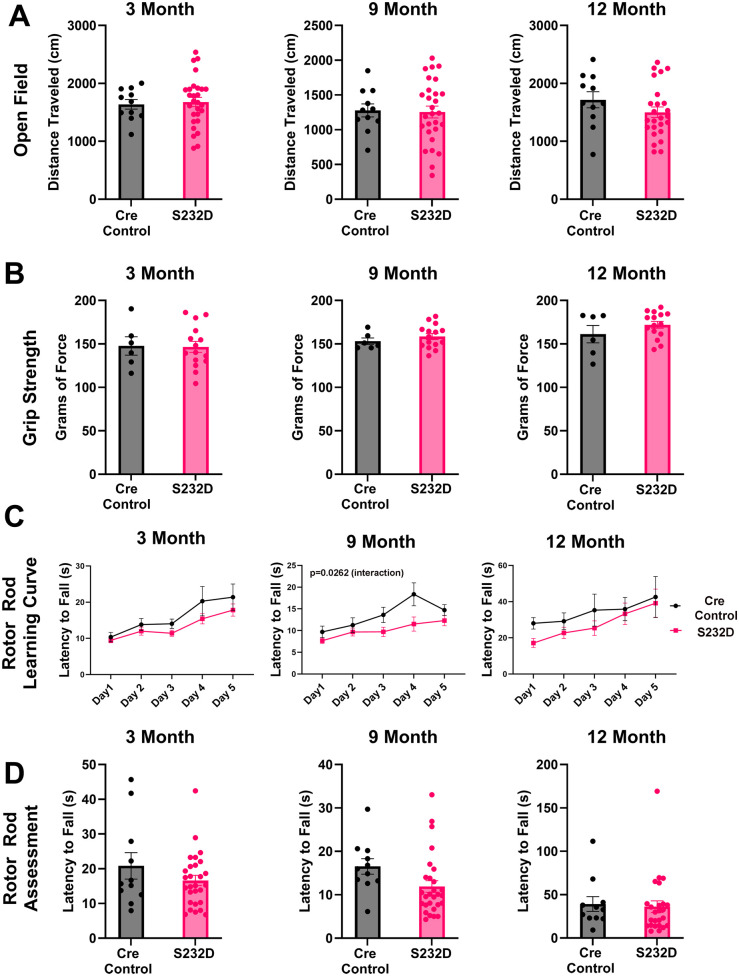 Figure 1
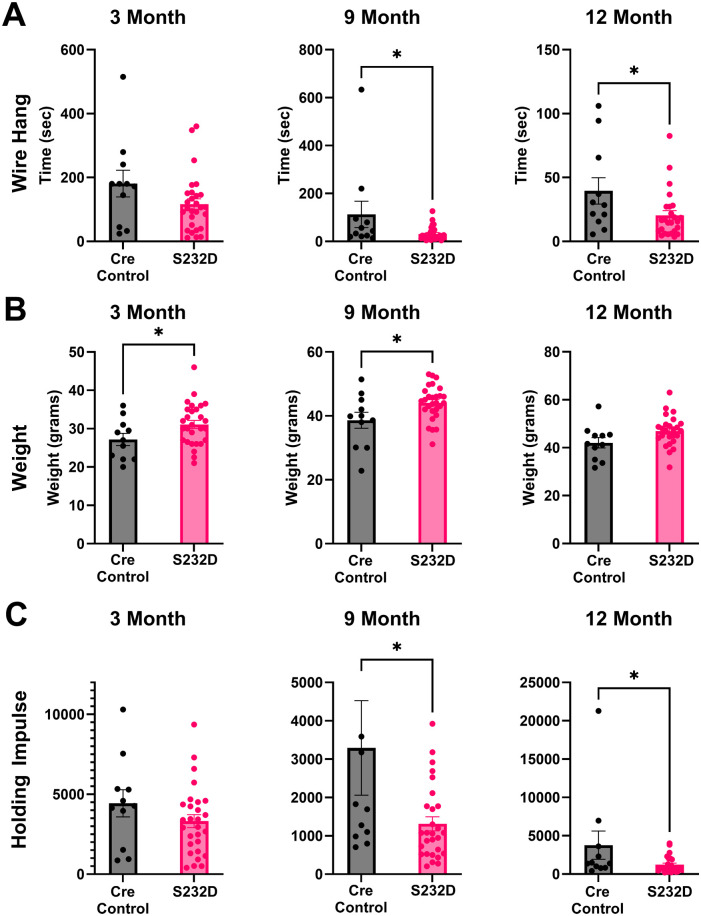 Figure 2
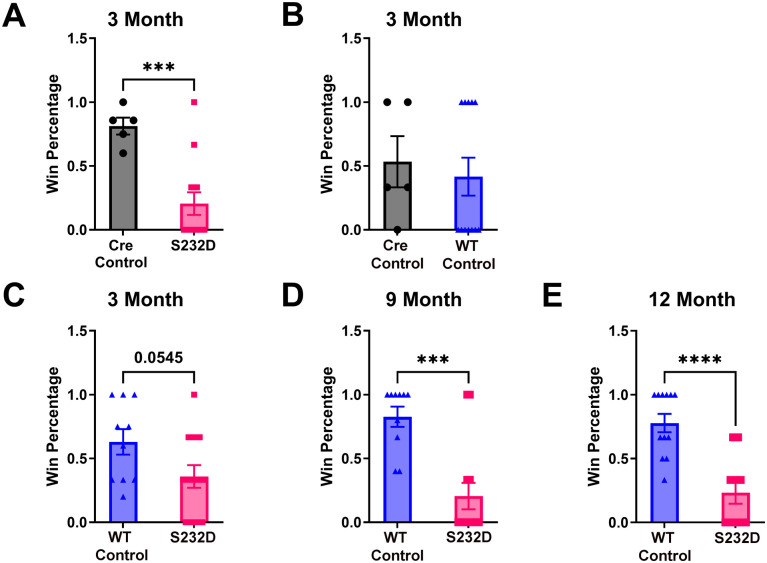 Figure 3
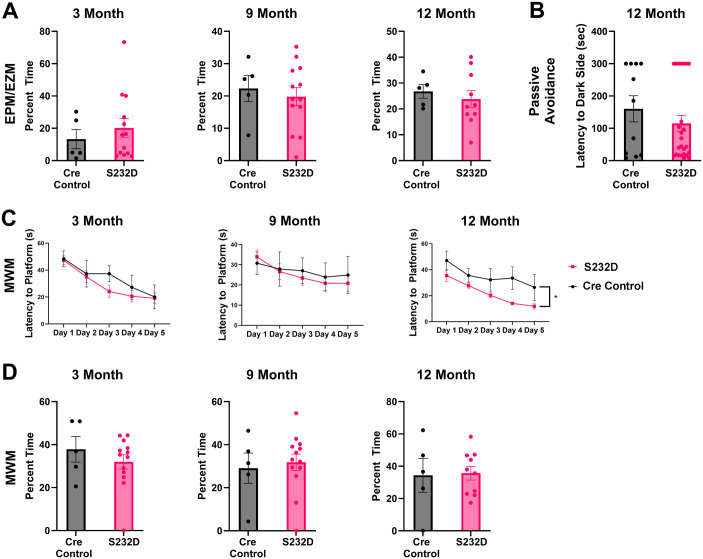 Figure 4
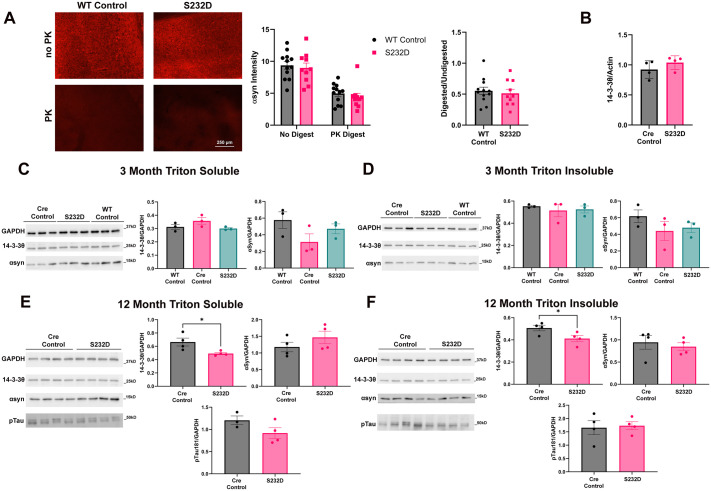 Figure 5
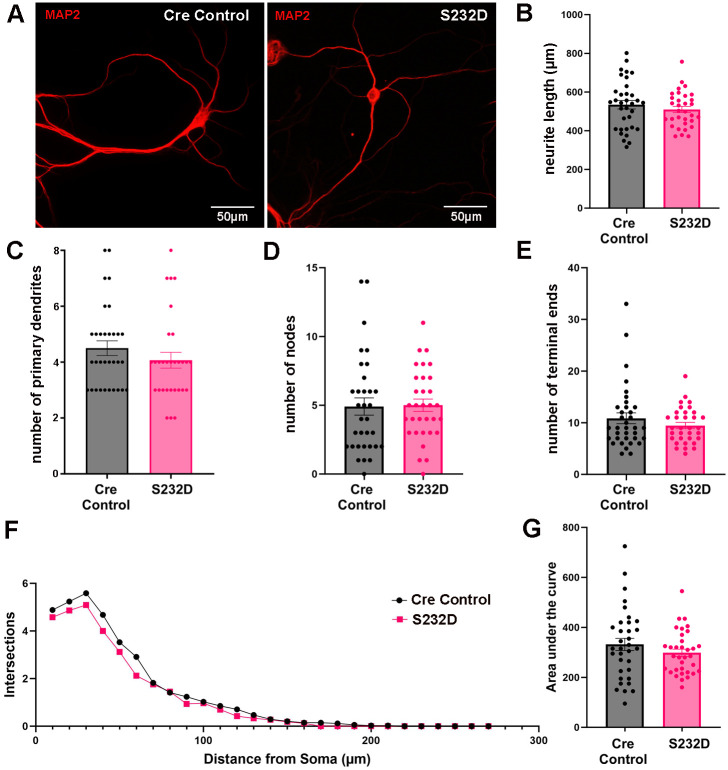 Figure 6
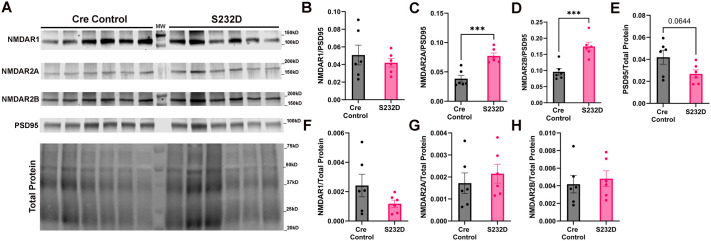 Figure 7
Peer Reviews
No public reviews on file for this paper yet. If you reviewed it on a platform where reviews are public (OpenReview, ICLR, NeurIPS, ICML), you can paste yours below so the community can read it here.
Videos
No videos yet. Explain this paper in a talk, walkthrough, or lecture? Add one.
Taxonomy
Topics14-3-3 protein interactions · Ubiquitin and proteasome pathways · Microbial Natural Products and Biosynthesis