Characterizing extravascular lung water—A dual-contrast agent extracellular volume approach by cardiovascular magnetic resonance
Felicia Seemann, Rim N. Halaby, Andrea Jaimes, Kendall O’Brien, Peter Kellman, Daniel A. Herzka, Robert J. Lederman, Adrienne E. Campbell-Washburn

TL;DR
This study introduces a new cardiovascular magnetic resonance method to measure lung water outside blood vessels, which could improve diagnosis of heart failure.
Contribution
A novel dual-contrast agent approach to quantify extravascular lung water using cardiovascular magnetic resonance.
Findings
Extravascular lung water volume increased significantly in mitral regurgitation models.
Plasma volume fraction increased in intravascular volume overload models but not in mitral regurgitation.
Extravascular lung water was higher anteriorly, while plasma volume was higher posteriorly.
Abstract
Pathological extravascular lung water is a facet of decompensated congestive heart failure that current cardiovascular magnetic resonance (CMR) methods fail to quantify. CMR can measure total lung water density, but cannot distinguish between intravascular and extravascular fluid, and thus is not diagnostic. Therefore, we develop and evaluate a novel method to measure extravascular lung water by distinguishing intravascular from extracellular fluid compartments using two different contrast agents, extracellular gadolinium chelates and iron-based intravascular ferumoxytol. We created two porcine models of pulmonary edema: reversible catheter-induced mitral regurgitation to induce extravascular lung water (n = 5); intravascular volume overload using rapid colloid infusion (n = 5); and compared to normal controls (n = 8). We sequentially acquired lung T1 maps and lung water density maps…
Genes, proteins, chemicals, diseases, species, mutations and cell lines named across the full text — each resolved to its canonical identifier and authoritative record.
Click any figure to enlarge with its caption.
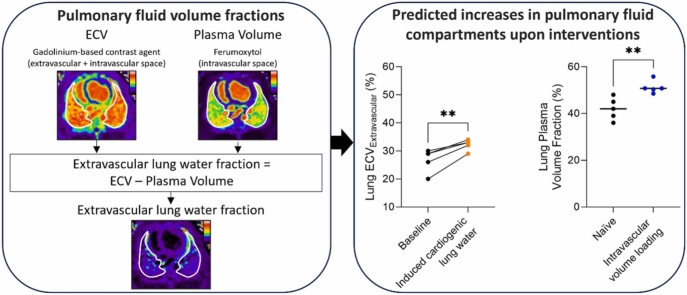 Figure 1
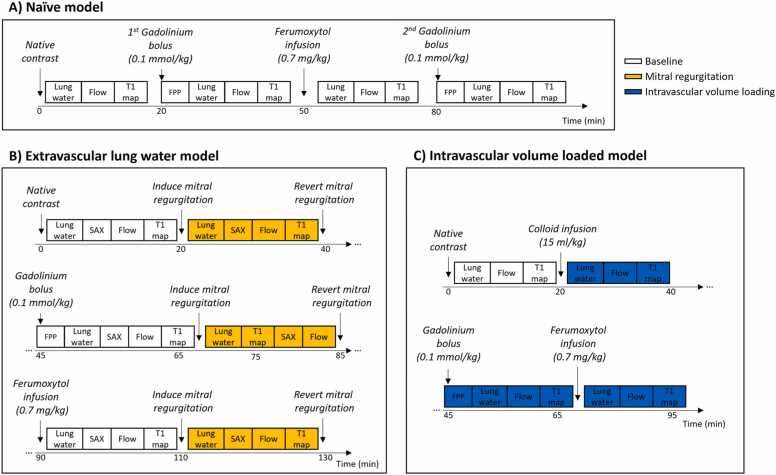 Figure 2
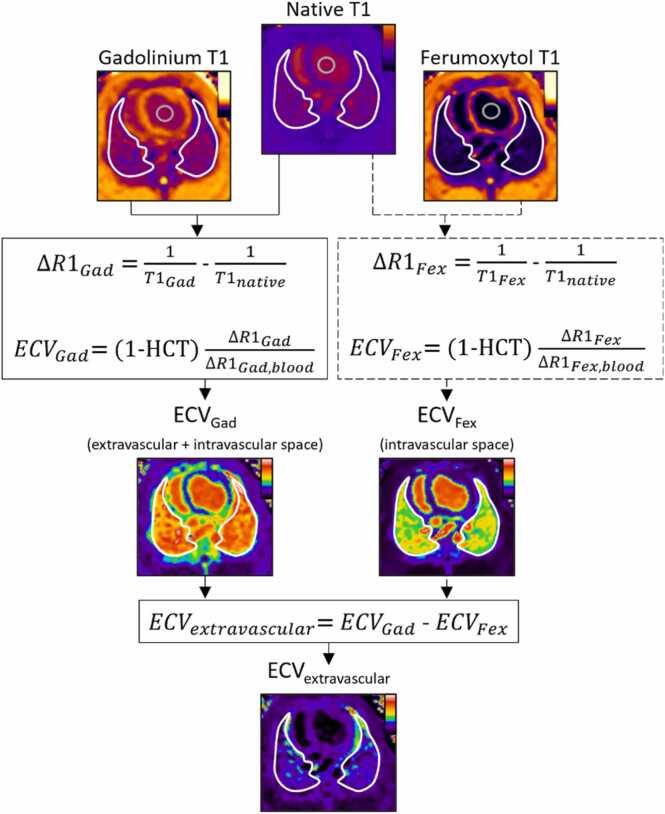 Figure 3
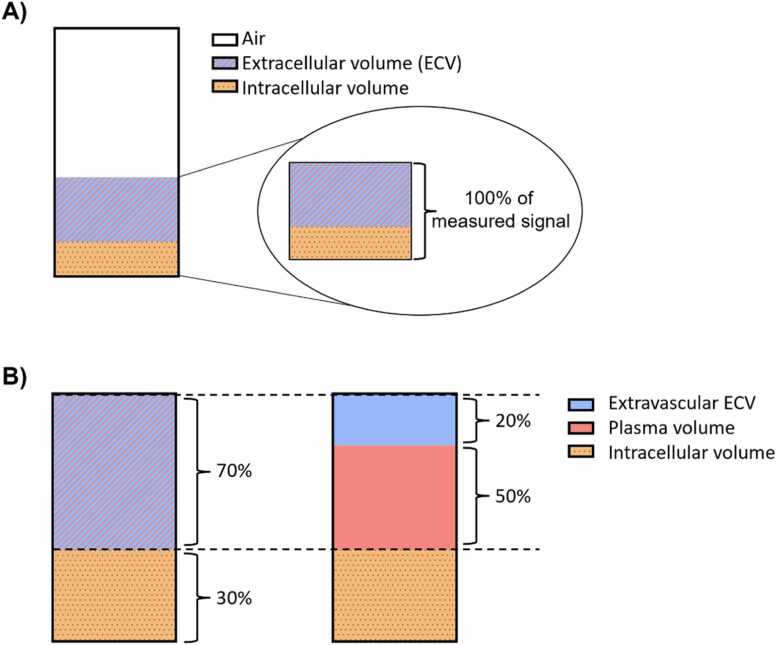 Figure 4
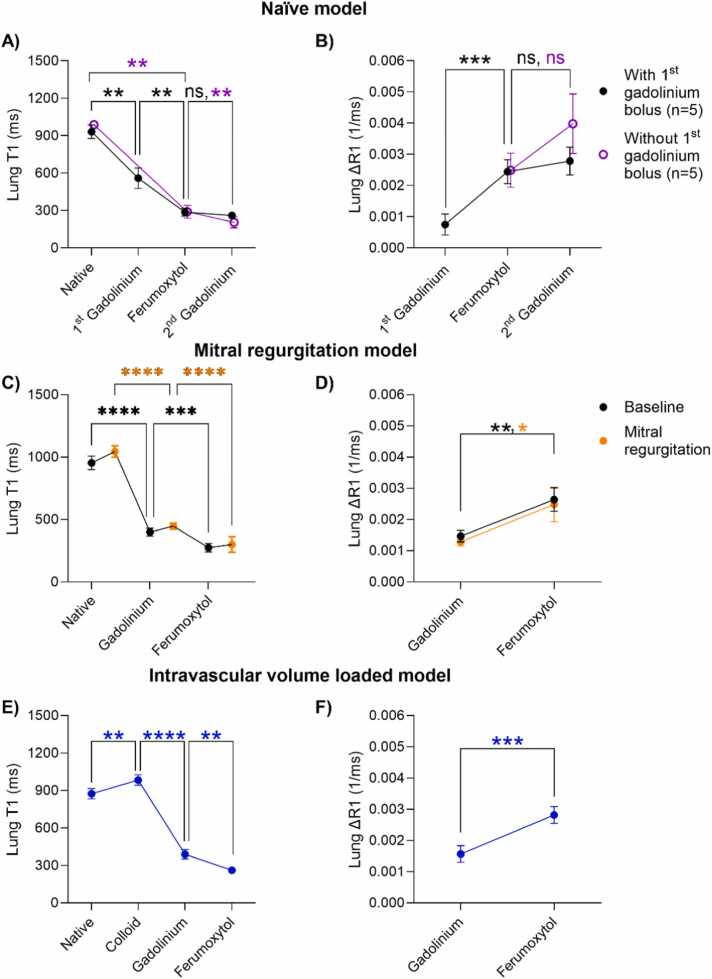 Figure 5
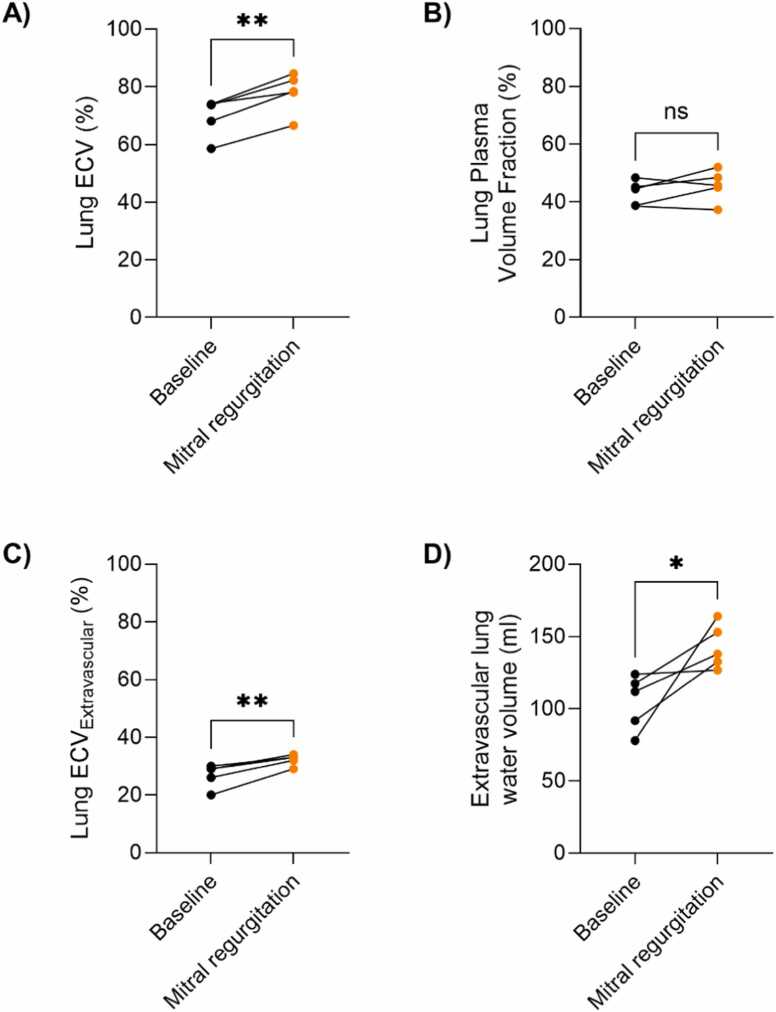 Figure 6
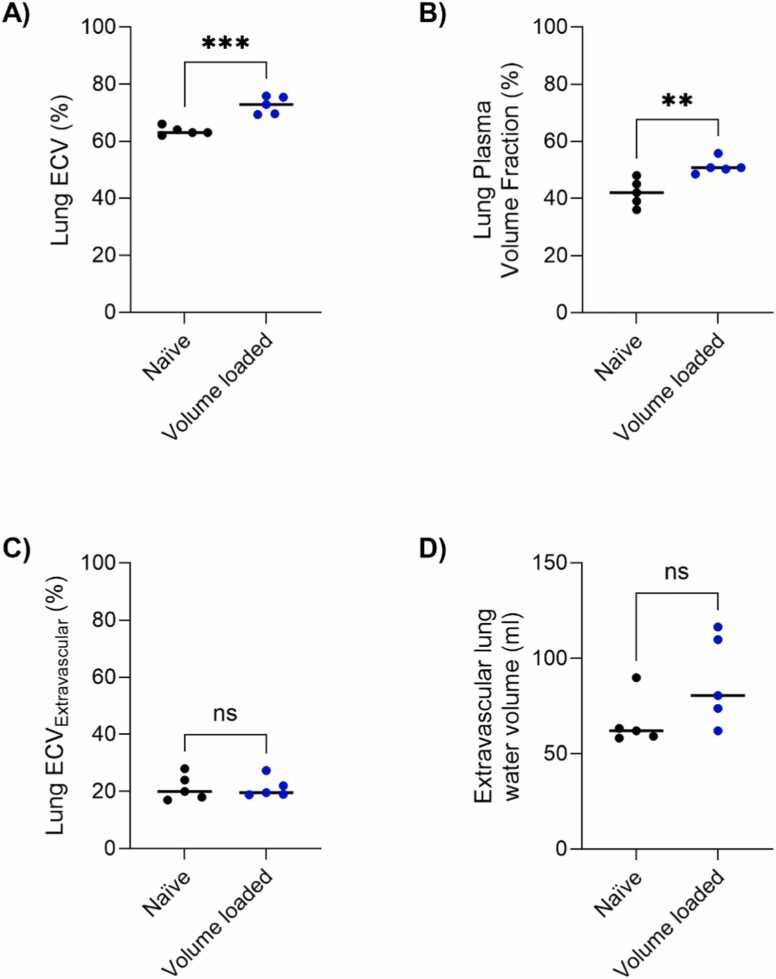 Figure 7
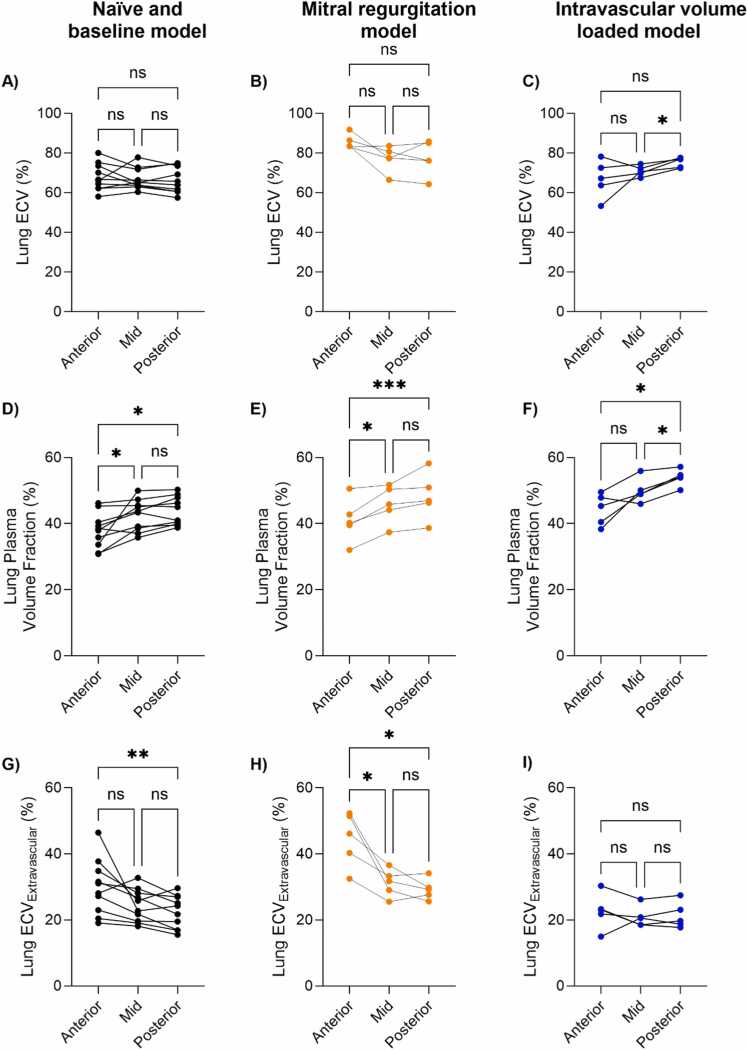 Figure 8
Peer Reviews
No public reviews on file for this paper yet. If you reviewed it on a platform where reviews are public (OpenReview, ICLR, NeurIPS, ICML), you can paste yours below so the community can read it here.
Videos
No videos yet. Explain this paper in a talk, walkthrough, or lecture? Add one.
Taxonomy
TopicsAtomic and Subatomic Physics Research · Advanced MRI Techniques and Applications · Ultrasound and Hyperthermia Applications