Granular osteoconductive biopolymer and predictive analysis of its physical property changes in maxillofacial surgery
Denis G. Alekseev, Oleg V. Slesarev, Darya V. Malchikova, Vyacheslav G. Belanov, Natalia A. Maksimenko, Vladimir I. Platonov, Ravshanbek B. Abdullaev

TL;DR
This paper studies how a biopolymer used in jawbone surgery changes after implantation and introduces new indicators to predict and improve its performance.
Contribution
The study introduces true adsorption capacity and compaction coefficient as new prognostic indicators for osteoconductive biopolymer behavior.
Findings
Preoperative preparation methods can increase the adsorption capacity of the biopolymer by up to 25%.
Gas adsorption and imaging techniques confirm that preparation methods improve the physical properties of the biopolymer.
Using prognostic indicators helps surgeons design better bioengineered scaffolds and reduce postoperative complications.
Abstract
Dry bulk fractions of osteoconductive granular biopolymers (OGB) are a common choice for addressing jawbone defects. These, in conjunction with an insulating biological membrane, form bioengineered scaffold structures. In the recipient site, the OGB fraction undergoes biotransformation, morphing from a bulk granular fraction into a stable conglomerate. The biotransformation of the OGB fraction is a physical process initiated by the biological environment of the recipient site. This process is characterized by granule compaction due to reduced intergranular space volume, leading to an uncontrolled decrease in the planned volume of the OGB. This is one of the causes of postoperative complications. This study aims to identify prognostic indicators that characterize the dynamics of changes in the physical property of the total volume of the OGB fraction following the addressing of a…
Genes, proteins, chemicals, diseases, species, mutations and cell lines named across the full text — each resolved to its canonical identifier and authoritative record.
Click any figure to enlarge with its caption.
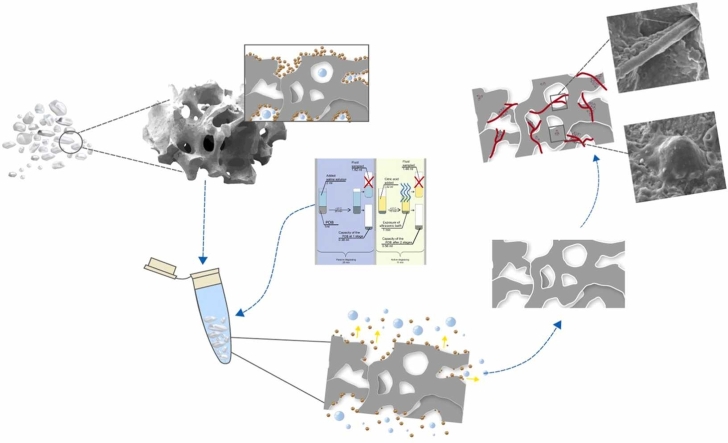 Figure 1
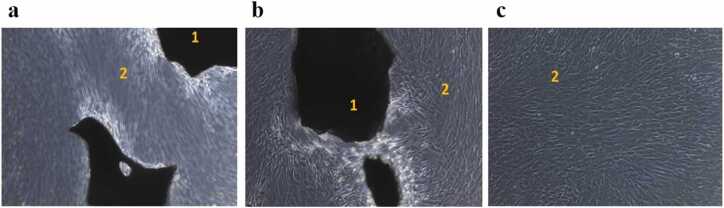 Figure 2
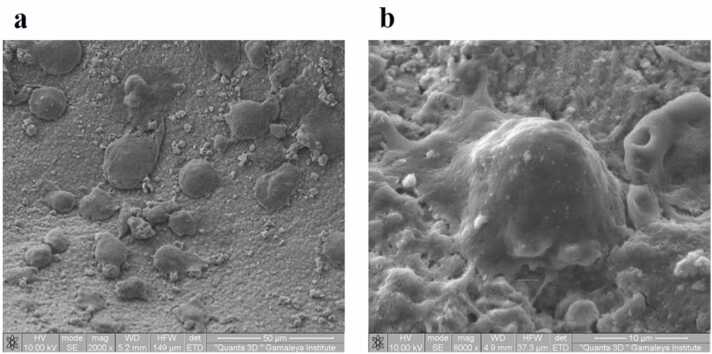 Figure 3
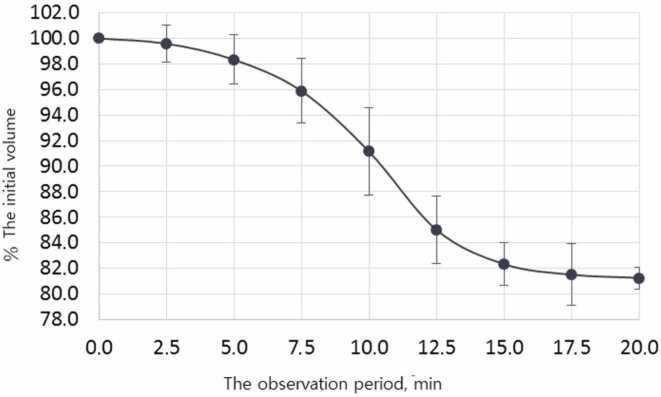 Figure 4
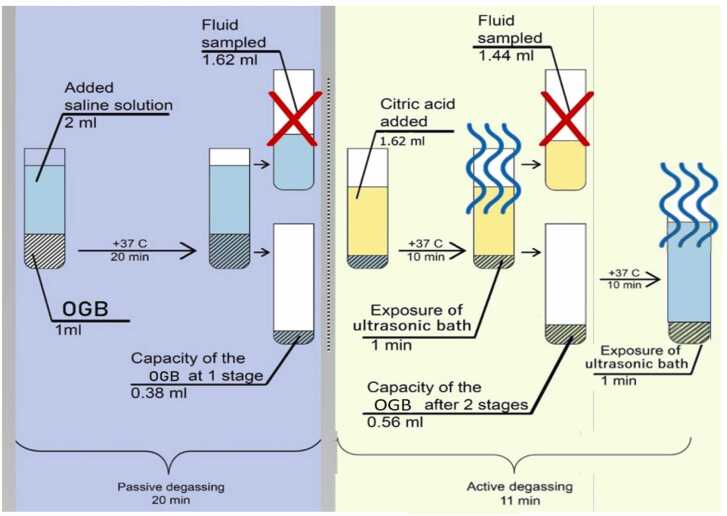 Figure 5
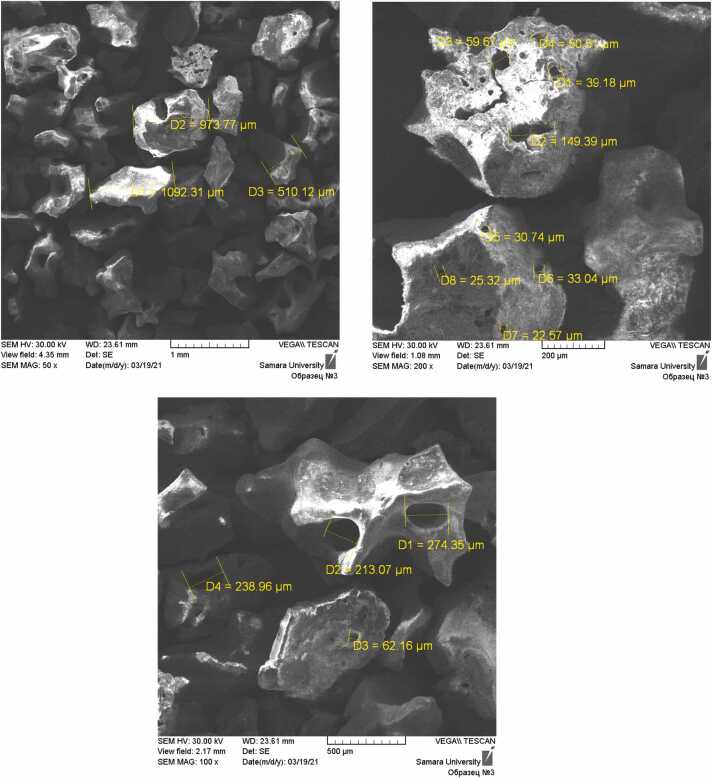 Figure 6
Peer Reviews
No public reviews on file for this paper yet. If you reviewed it on a platform where reviews are public (OpenReview, ICLR, NeurIPS, ICML), you can paste yours below so the community can read it here.
Videos
No videos yet. Explain this paper in a talk, walkthrough, or lecture? Add one.
Taxonomy
TopicsBone Tissue Engineering Materials · Facial Trauma and Fracture Management · Orthodontics and Dentofacial Orthopedics