Isolated Aphasia From a Left Parietotemporal Infarct Secondary to a Patent Foramen Ovale: A Case Report
Aamir Shaikh, Sabahuddin Hajjar, Shahnawaz Notta, Hezborn Magacha, Venkata Vedantam

TL;DR
A rare case of isolated aphasia caused by a brain infarct linked to a patent foramen ovale is presented, emphasizing the need for thorough neurological and cardiovascular evaluation.
Contribution
This case report highlights the rare occurrence of isolated aphasia due to a left parietotemporal infarct secondary to a patent foramen ovale.
Findings
Isolated aphasia can result from a left parietotemporal infarct without typical stroke symptoms.
Patent foramen ovale may be a cryptogenic source of ischemic stroke presenting as isolated aphasia.
Multidisciplinary evaluation and early intervention are crucial for optimal outcomes in such cases.
Abstract
Isolated aphasia (IA) as the sole manifestation of stroke is rare and is often attributed to metabolic, toxic, or psychiatric disorders. Without typical stroke symptoms, such as hemiplegia or cranial nerve deficits (CND), IA can be easily overlooked. We present the case of a 41-year-old male accountant with a history of hyperlipidemia who presented to the emergency department with the sudden onset of an inability to read or speak, accompanied by confusion and anxiety. On examination, he had no CNDs, and his strength, sensation, reflexes, and cerebellar function were normal. His vital signs, blood glucose, and initial computed tomography (CT) scan were unremarkable, and his National Institute of Health Stroke Scale (NIHSS) score was 3. The patient declined tissue plasminogen activator (tPA) therapy. Computed tomography angiography (CTA) showed no intracranial stenosis, but magnetic…
Genes, proteins, chemicals, diseases, species, mutations and cell lines named across the full text — each resolved to its canonical identifier and authoritative record.
Click any figure to enlarge with its caption.
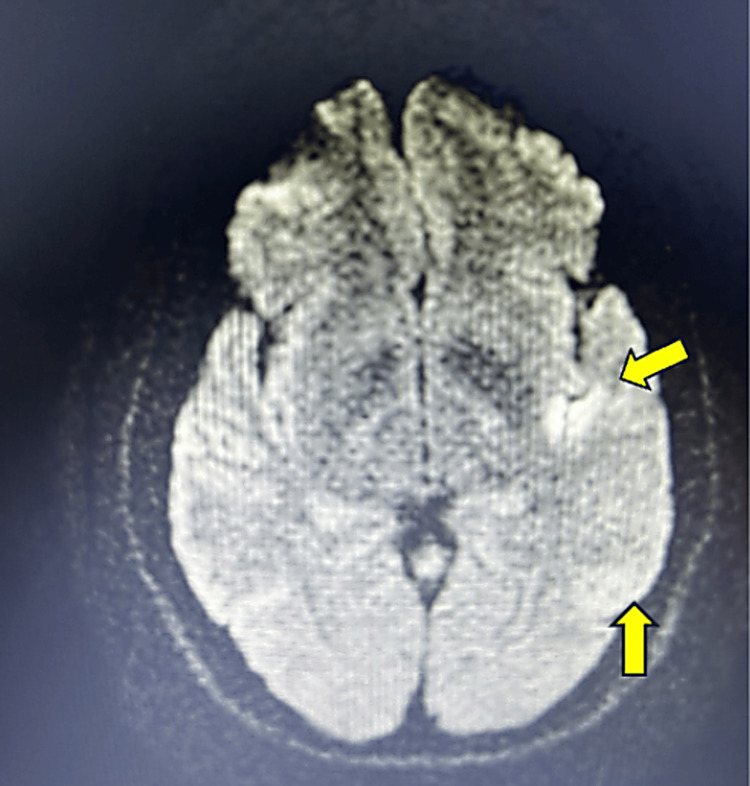 Figure 1
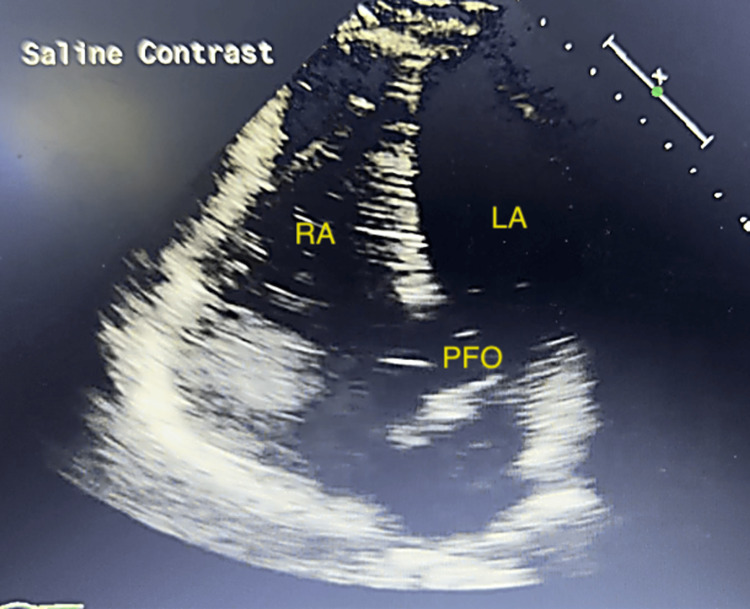 Figure 2
Peer Reviews
No public reviews on file for this paper yet. If you reviewed it on a platform where reviews are public (OpenReview, ICLR, NeurIPS, ICML), you can paste yours below so the community can read it here.
Videos
No videos yet. Explain this paper in a talk, walkthrough, or lecture? Add one.
Taxonomy
TopicsTraumatic Brain Injury and Neurovascular Disturbances · Cerebral Venous Sinus Thrombosis · Cerebrovascular and Carotid Artery Diseases