Articles of Significant Interest in This Issue

Abstract
Click any figure to enlarge with its caption.
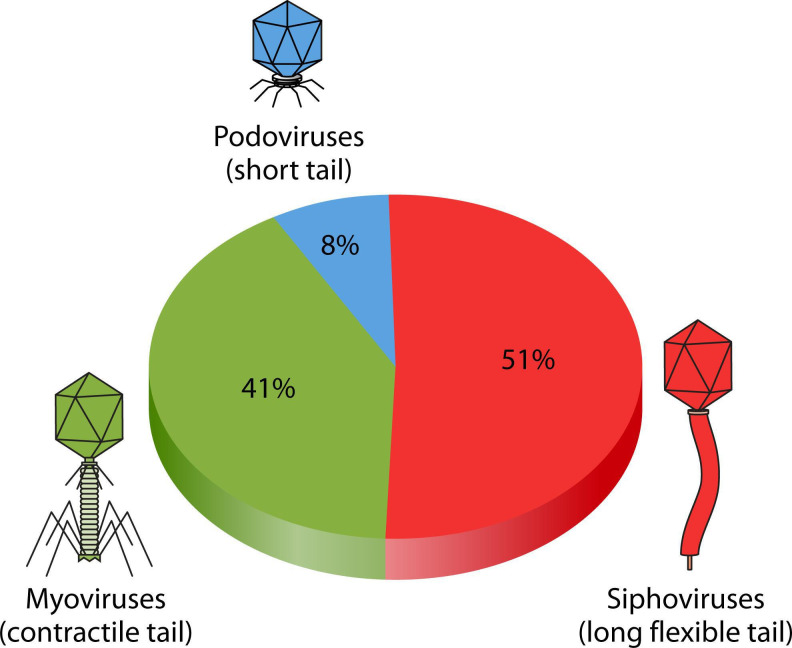 Figure 1
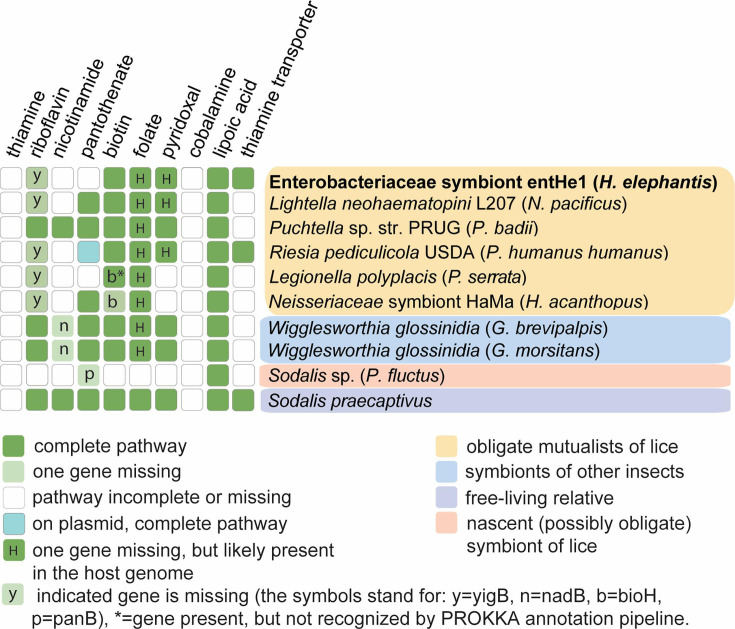 Figure 2
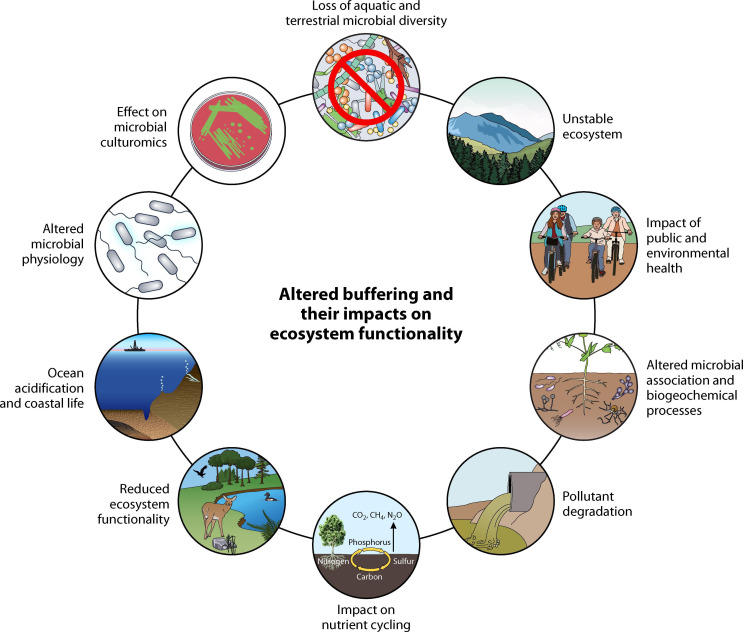 Figure 3
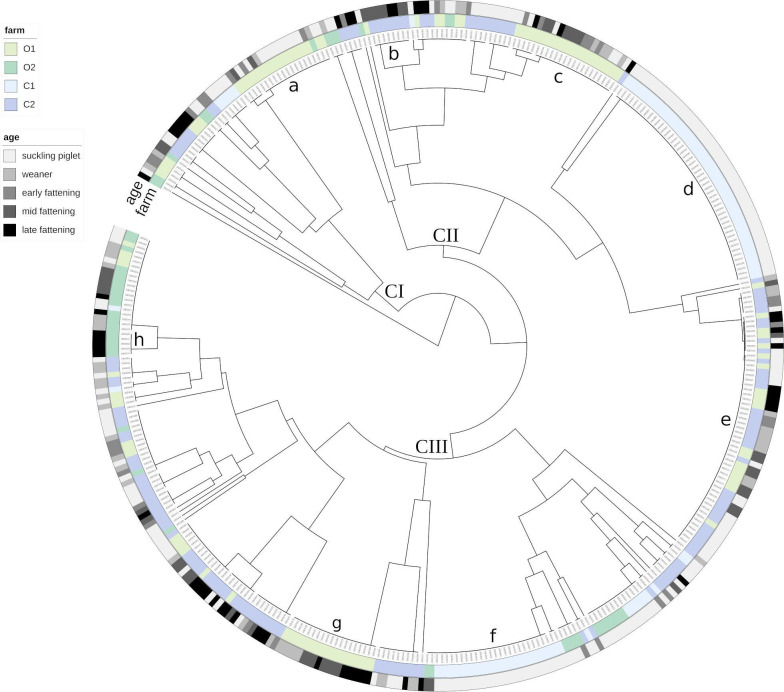 Figure 4
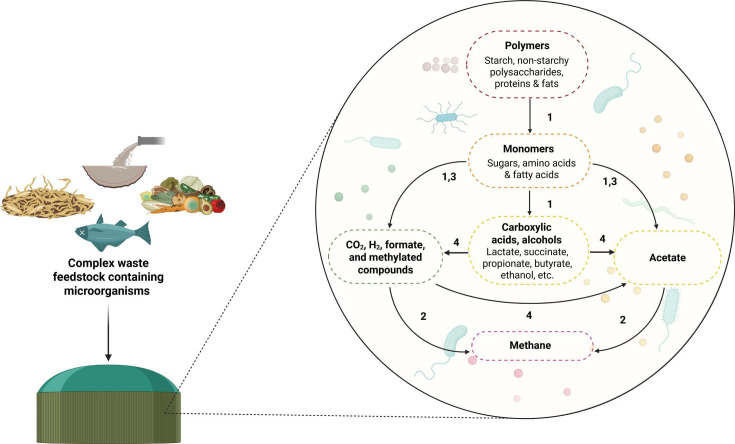 Figure 5
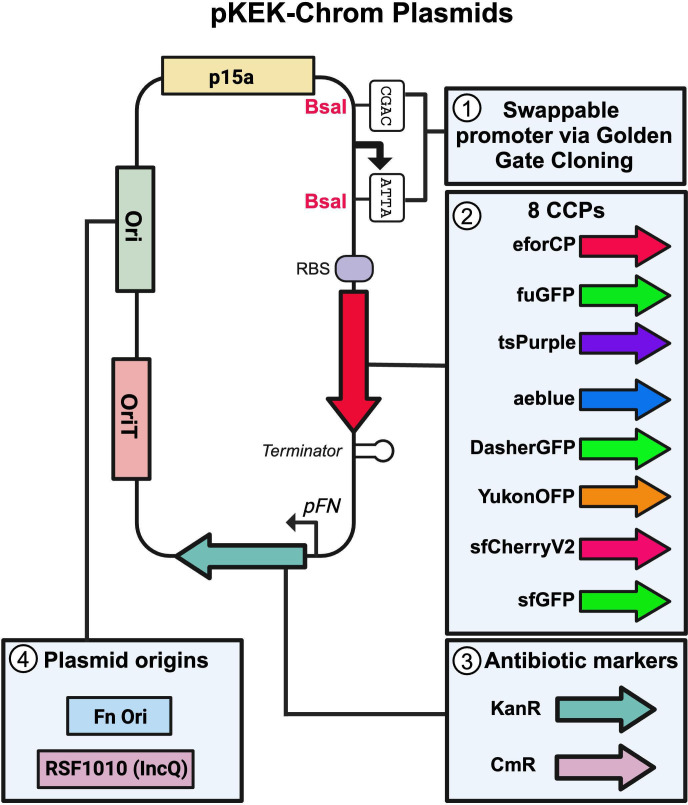 Figure 6
Peer Reviews
No public reviews on file for this paper yet. If you reviewed it on a platform where reviews are public (OpenReview, ICLR, NeurIPS, ICML), you can paste yours below so the community can read it here.
Videos
No videos yet. Explain this paper in a talk, walkthrough, or lecture? Add one.
Taxonomy
TopicsBacteriophages and microbial interactions · Gut microbiota and health · Clostridium difficile and Clostridium perfringens research
THE COMING OF AGE OF THE HUMAN PHAGEOME
Perturbations of the human phageome serve as early indicators of gut dysbiosis and other disorders. Rybicka and Kaźmierczak (e01788-24) review the intricate interactions between phages, bacteria, and the human host which can be harnessed as diagnostic or therapeutic tools.
A GENOMIC VIEW OF SYMBIOSIS IN SUCKING LICE
Říhová et al. (e00220-25) sequenced the metagenome of the understudied Rhynchophthirina lice to identify a symbiont with a severely reduced genome yet retention of functional pathways for the synthesis of vitamins needed by blood-feeding insects.
TO BUFFER OR NOT TO BUFFER
This minireview by Prakash et al. (e01728-24) warns about detrimental impacts of buffering systems on microbial cultivation and discusses the benefits of unbuffered media formulations in applied and environmental research.
PERSISTENCE OF ANTIBIOTIC RESISTANCE IN DRUG-FREE LIVESTOCK FARMS
Pfeifer et al. (e01386-24) show that certain resistant strains of Escherichia coli can persist in pig farms long after restricting antibiotic usage. Targeted action is needed against those specific strains.
SynCom GOES ANAEROBIC
Synthetic microbial communities (SynComs) facilitate the study of complex microbiomes. This article by Jourdain and Gu (e00404-25) in the Anaerobic Microbiology Special Series reviews the SynCom design principles and their utility to enhance anaerobic waste treatment.
SHUTTLE VECTORS LIGHTING THE WAY
Armstrong et al. (e00045-25) constructed a large inventory of chromophore-expressing shuttle vectors to advance genetic studies in several non-model, Gram-negative bacteria.