Respiratory transmission potential of severe fever with thrombocytopenia syndrome bunyavirus: evidence from intranasal exposure in a humanized mouse model
Dafeng Lu, Yifang Han, Ruowei Xu, Chunfang Wang, Mingke Qin, Jianwei Shi, Fuqiang Ye, Jinhai Zhang, Zhenghan Luo, Yuhe Wang, Hong Lin, Peiqi Jia, Jin Zhu, Chunhui Wang

TL;DR
This study shows that SFTSV can cause severe disease through respiratory exposure in mice, highlighting the need for measures to prevent airborne transmission.
Contribution
The study provides evidence for respiratory transmission potential of SFTSV using a humanized mouse model.
Findings
Intranasal exposure to SFTSV caused lung pathology and systemic disease in mice.
Respiratory route inoculation increased inflammatory signaling pathways like IL-17 and NF-κB.
Both subcutaneous and intranasal infections led to multi-organ injury, emphasizing systemic pathogenesis.
Abstract
Severe Fever with Thrombocytopenia Syndrome Bunyavirus (SFTSV) is a highly lethal pathogen with expanding endemic regions in Asia. While primarily transmitted by ticks, recent evidence suggests potential airborne transmission, raising significant public health concerns. This study investigates the potential for respiratory transmission and pathogenesis using humanized NCG mice inoculated with SFTSV via subcutaneous injection challenge (SIC) or intranasal drop challenge (IDC). Both groups demonstrated rapid systemic dissemination, marked by viremia, weight loss, and multi-organ injury, with hemorrhagic manifestations observed in high-dose infection groups. Histopathological evaluations revealed lung pathology in the intranasal drop challenge mice, including extensive alveolar disruption and inflammatory cell infiltration. Transcriptomic analyses further confirmed that respiratory route…
Genes, proteins, chemicals, diseases, species, mutations and cell lines named across the full text — each resolved to its canonical identifier and authoritative record.
Click any figure to enlarge with its caption.
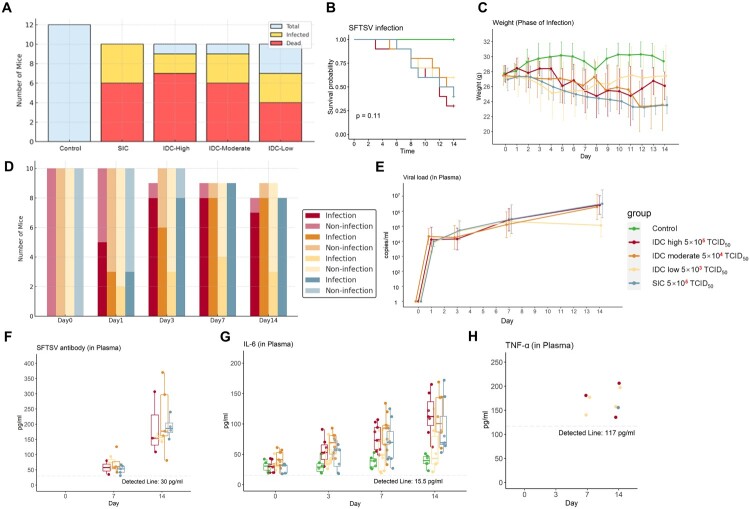 Figure 1
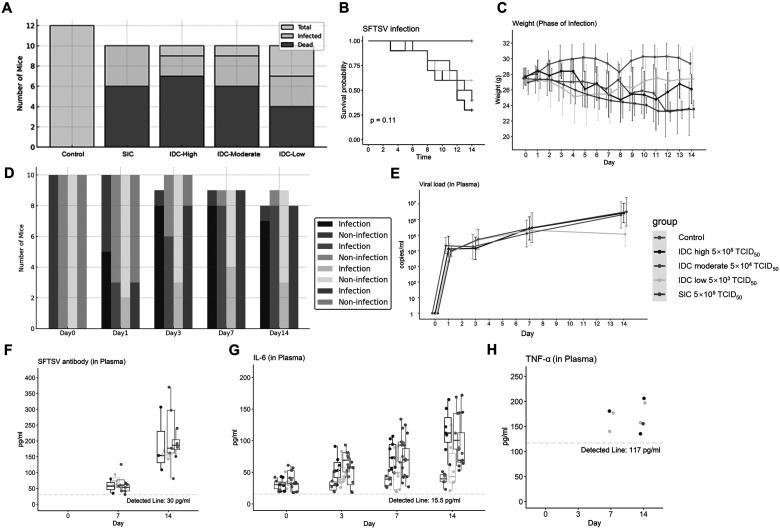 Figure 2
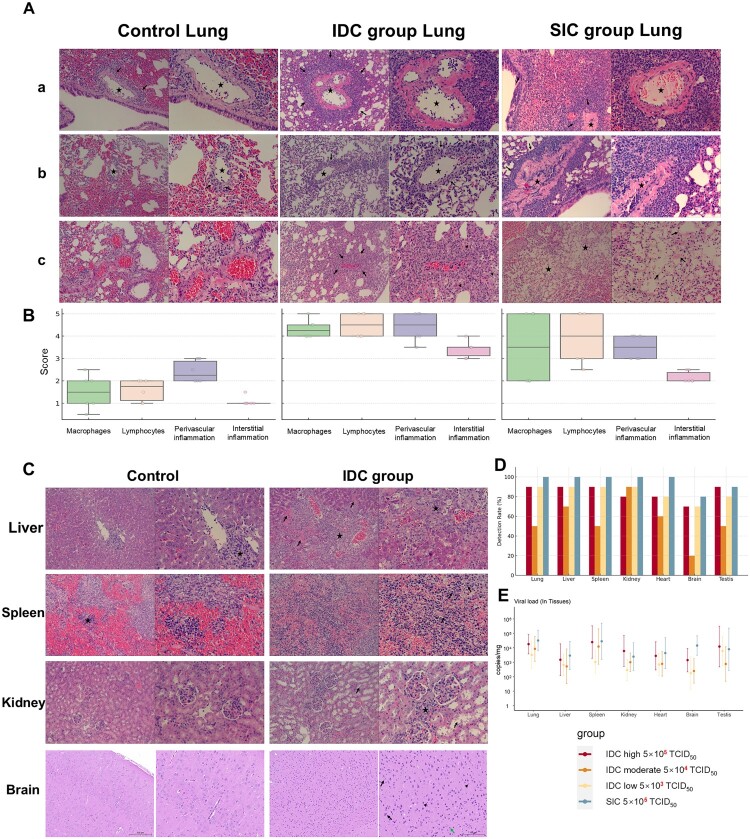 Figure 3
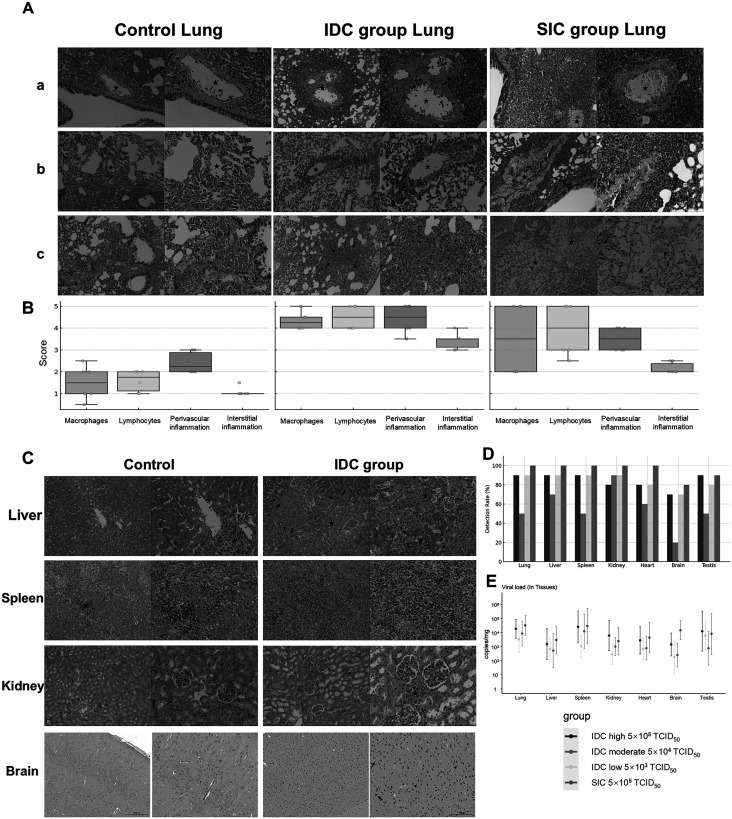 Figure 4
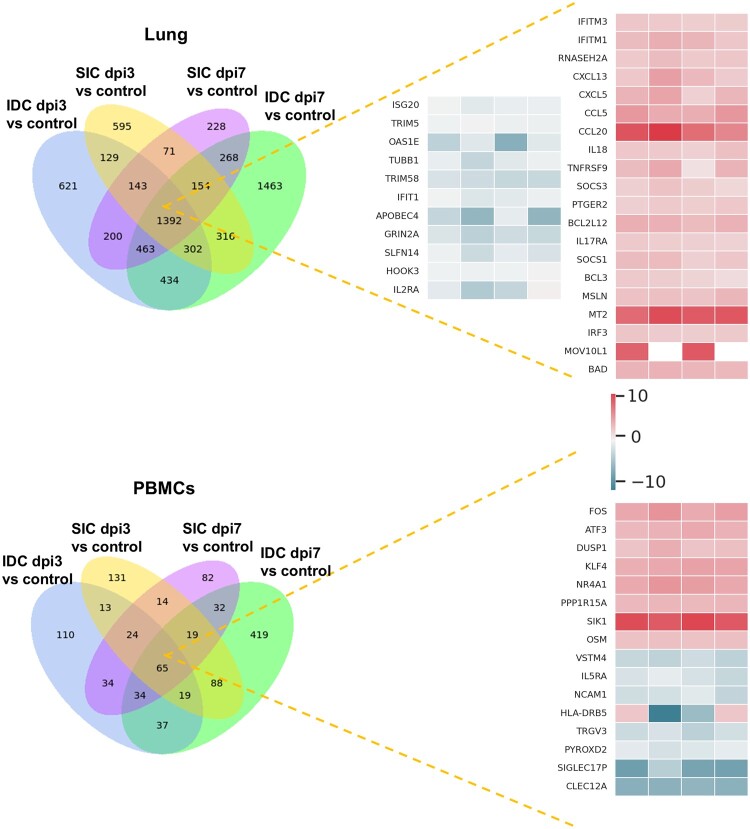 Figure 5
 Figure 6
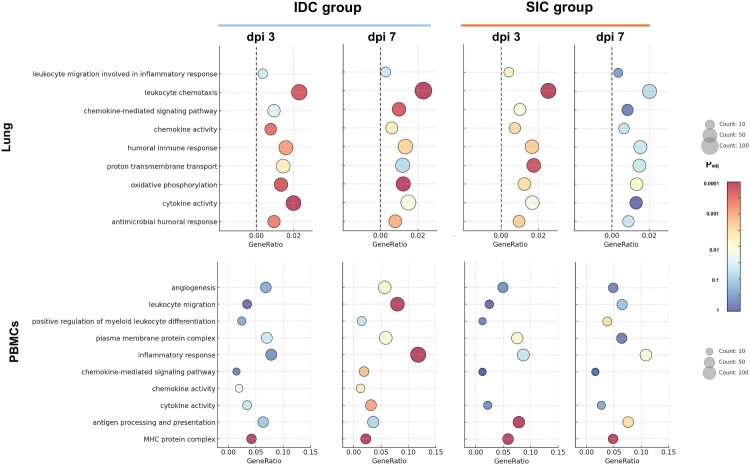 Figure 7
 Figure 8
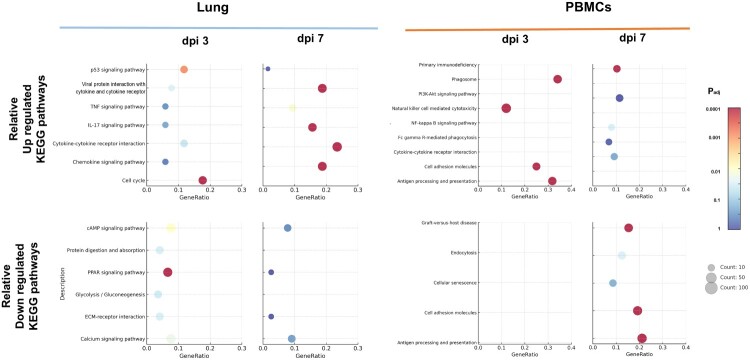 Figure 9
 Figure 10
Peer Reviews
No public reviews on file for this paper yet. If you reviewed it on a platform where reviews are public (OpenReview, ICLR, NeurIPS, ICML), you can paste yours below so the community can read it here.
Videos
No videos yet. Explain this paper in a talk, walkthrough, or lecture? Add one.
Taxonomy
TopicsViral Infections and Vectors · Vector-Borne Animal Diseases · Mosquito-borne diseases and control