Effect of PDCA-optimized good limb positioning on hemiparetic rehabilitation outcomes in acute cerebral infarction
Wei Liu, Guangyan Yao, Zhihui Song, Xin He

TL;DR
This study shows that using the PDCA method to improve limb positioning helps ACI patients recover better and faster.
Contribution
The study demonstrates that PDCA cycle management improves adherence and outcomes in limb positioning for acute cerebral infarction patients.
Findings
The PDCA group had significantly higher adherence rates (88.0% vs. 48.0%) and better self-efficacy scores.
Patients in the PDCA group had improved quality of life and ADL scores, with reduced hospital stays and limb spasticity.
No significant differences in discharge NIHSS scores were observed between the groups.
Abstract
Proper limb positioning plays a vital role in the early rehabilitation of patients with acute cerebral infarction (ACI), preventing complications such as muscle atrophy and joint contractures while promoting functional recovery. However, inconsistent implementation limits its effectiveness. This study evaluates the impact of the Plan-Do-Check-Act (PDCA) cycle management model in optimizing good limb positioning and improving rehabilitation outcomes. A prospective cohort study was conducted involving 300 hemiplegic ACI patients, with 150 patients receiving standard limb positioning care (control group) and 150 patients treated using the PDCA-optimized protocol (intervention group). The study was approved by The Ethics Committee of Central Hospital Affiliated to Shandong First Medical University (approval number: 20241104006). Outcomes included adherence rates, self-efficacy, quality of…
Genes, proteins, chemicals, diseases, species, mutations and cell lines named across the full text — each resolved to its canonical identifier and authoritative record.
Click any figure to enlarge with its caption.
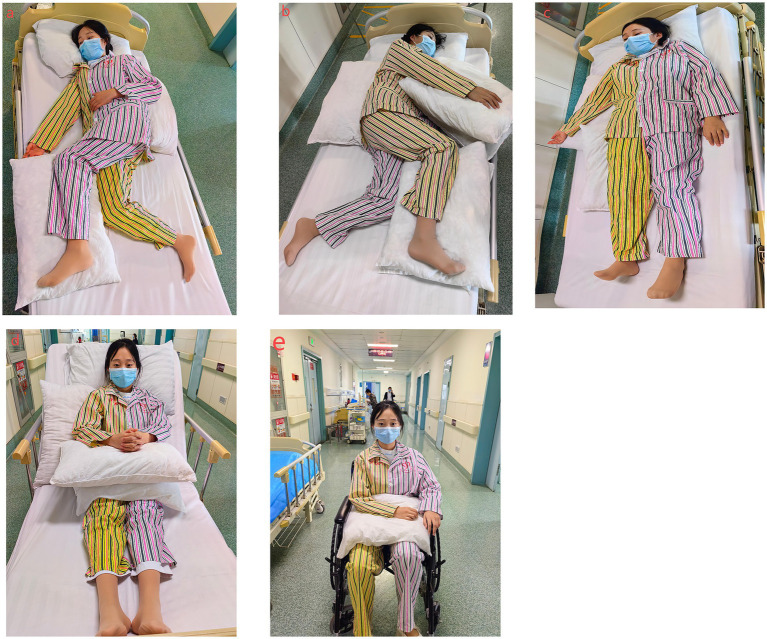 Figure 1
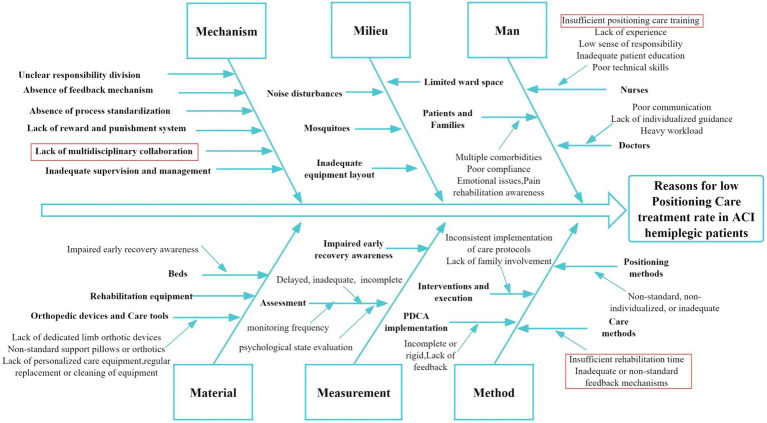 Figure 2
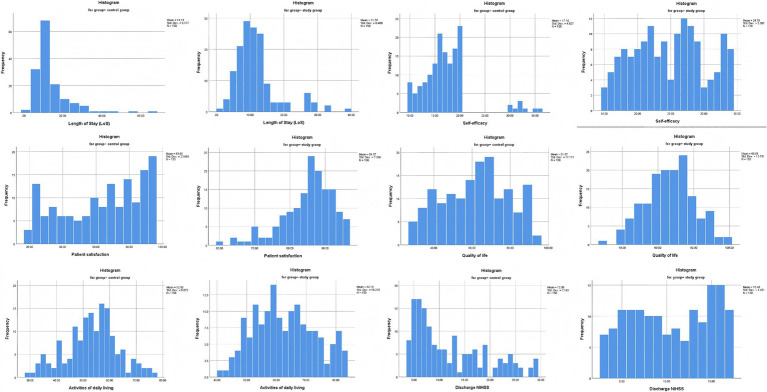 Figure 3
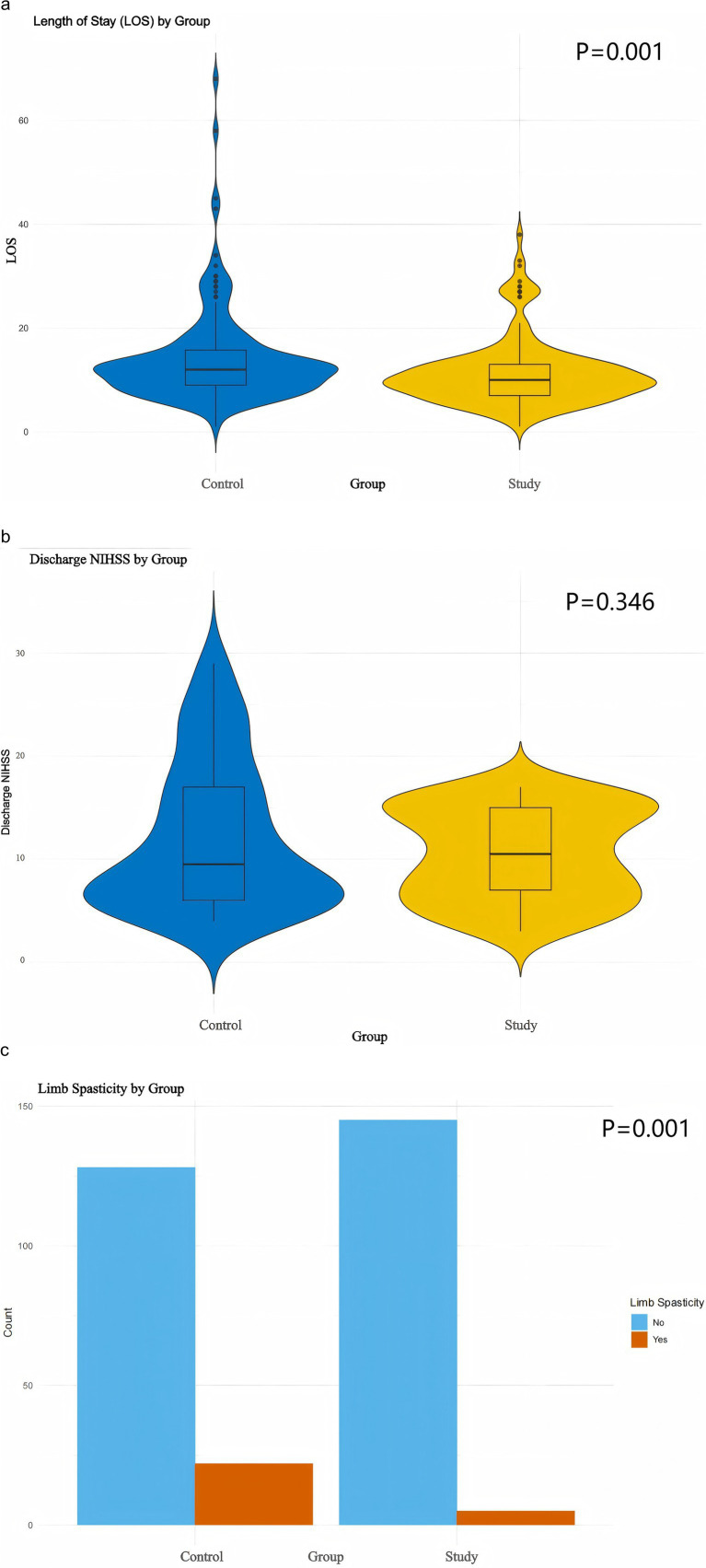 Figure 4
Peer Reviews
No public reviews on file for this paper yet. If you reviewed it on a platform where reviews are public (OpenReview, ICLR, NeurIPS, ICML), you can paste yours below so the community can read it here.
Videos
No videos yet. Explain this paper in a talk, walkthrough, or lecture? Add one.
Taxonomy
TopicsStroke Rehabilitation and Recovery · Botulinum Toxin and Related Neurological Disorders · Musculoskeletal pain and rehabilitation