Ruptured phyllodes tumors of the breast: a comprehensive case series and literature review on clinical challenges
Chularat Duangkaew, Areewan Somwangprasert, Kirati Watcharachan, Phanchaporn Wongmaneerung, Chagkrit Ditsatham

TL;DR
This paper discusses rare ruptured phyllodes tumors of the breast, presenting three cases and reviewing existing literature to highlight clinical challenges and treatment complexities.
Contribution
The study adds three new cases of ruptured phyllodes tumors and questions the necessity of adjuvant radiotherapy after mastectomy.
Findings
Ruptured phyllodes tumors often require complex surgical management, including mastectomy.
The low recurrence rate in patients without radiotherapy suggests it may not be necessary.
Limited case reports highlight the need for further research on treatment strategies.
Abstract
Phyllodes tumors are rare fibroepithelial breast neoplasms, predominantly affecting women aged 35 to 55. While most phyllodes tumors are manageable, those exceeding 10 cm, termed giant phyllodes tumors, can lead to rare complications such as breast rupture due to rapid growth and pressure necrosis. This study presents three cases of ruptured phyllodes tumors treated at Chiang Mai University Hospital, along with a review of previously reported cases, highlighting the associated clinical challenges and treatment strategies. Surgical intervention, typically through wide local excision, is the standard treatment. However, in ruptured cases, which often present as extensive masses involving the entire breast, surgical management is more complex and may necessitate a mastectomy. Given the limited number of reported cases and our own findings, the benefit of adjuvant radiotherapy following…
Genes, proteins, chemicals, diseases, species, mutations and cell lines named across the full text — each resolved to its canonical identifier and authoritative record.
Click any figure to enlarge with its caption.
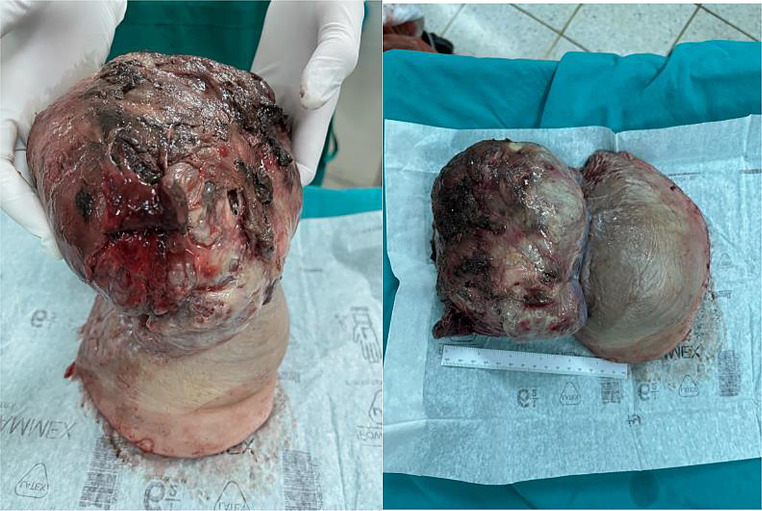 Figure 10
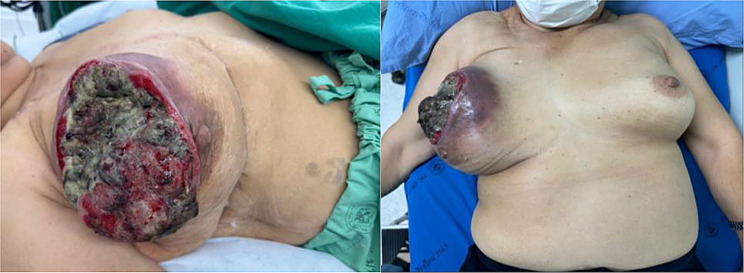 Figure 11
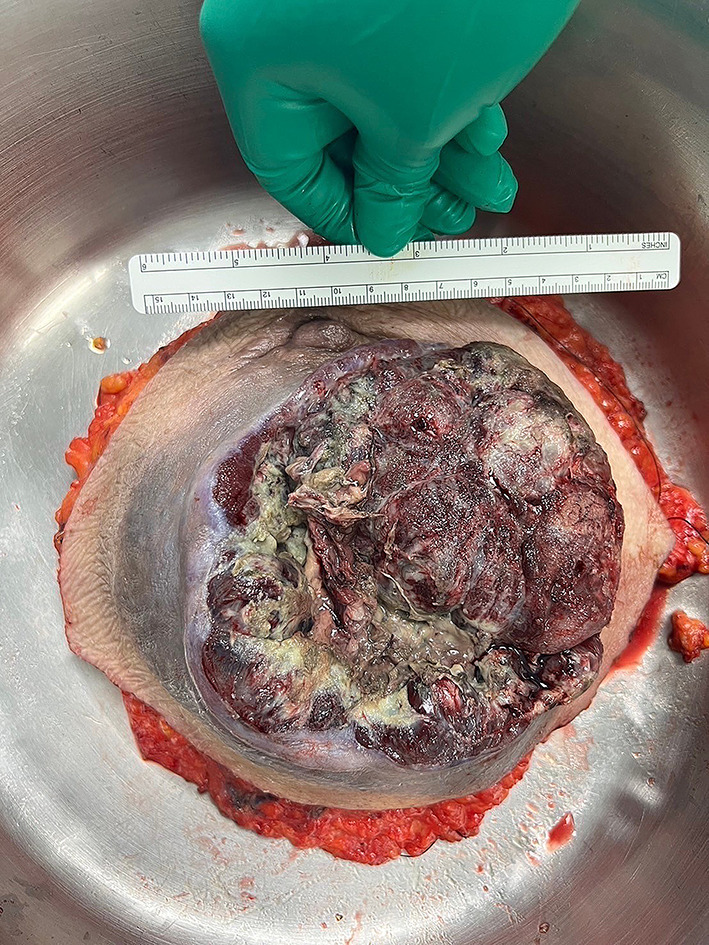 Figure 12
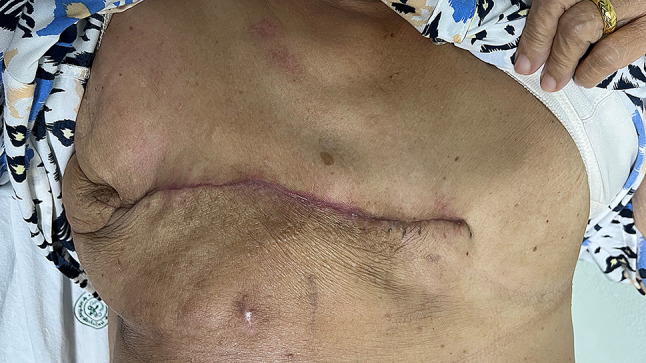 Figure 13
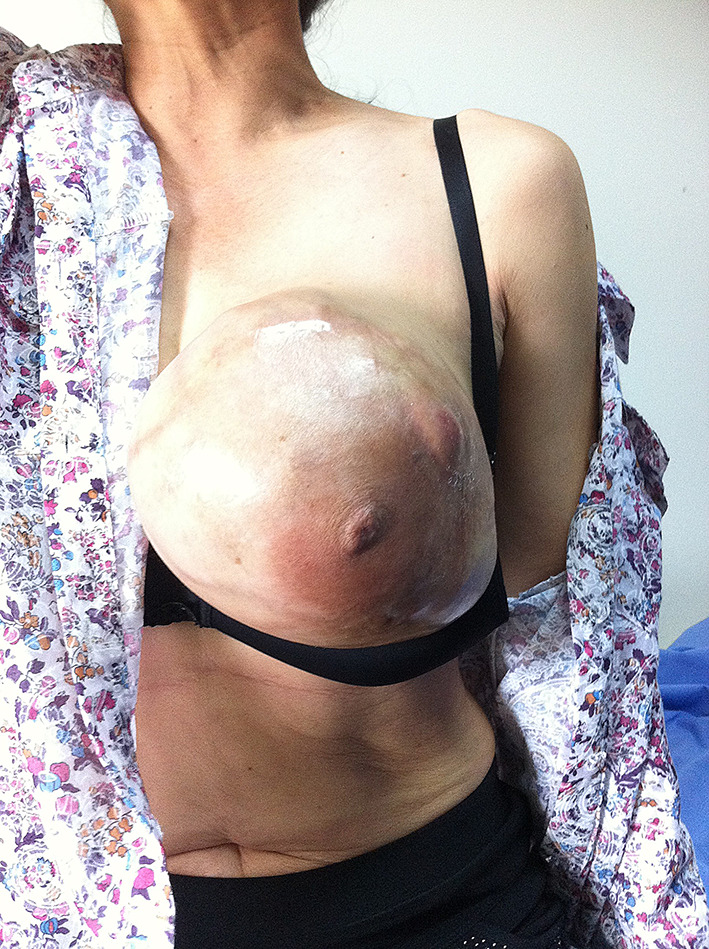 Figure 1
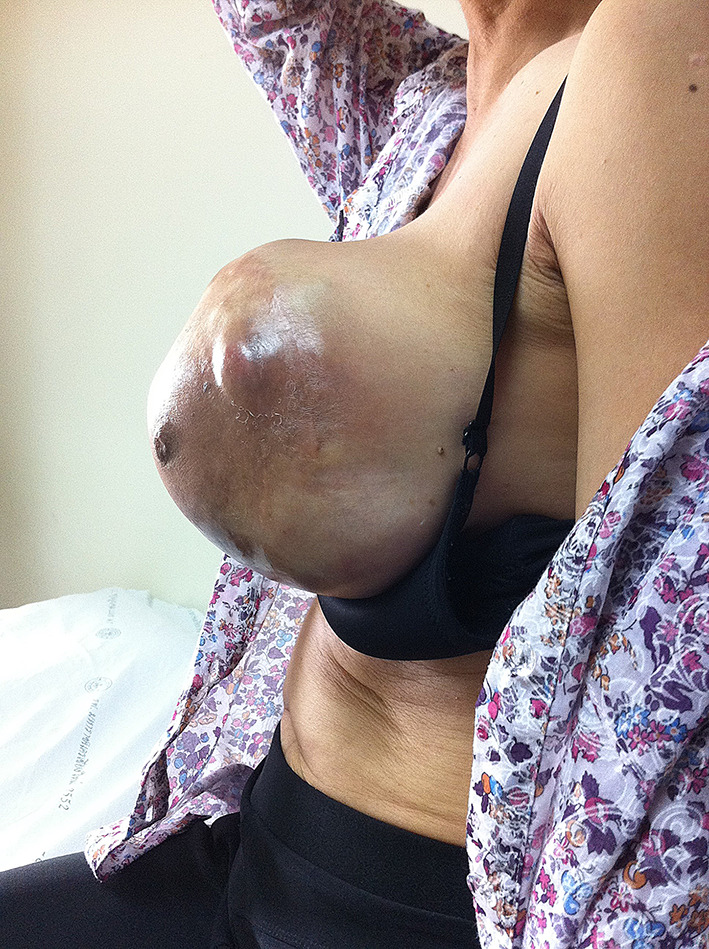 Figure 2
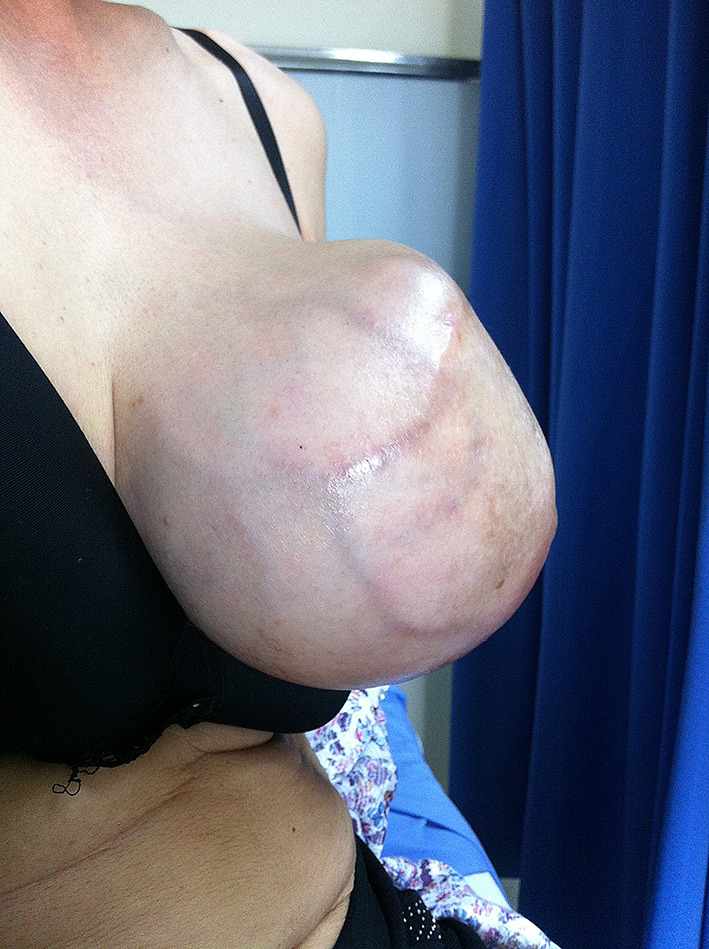 Figure 3
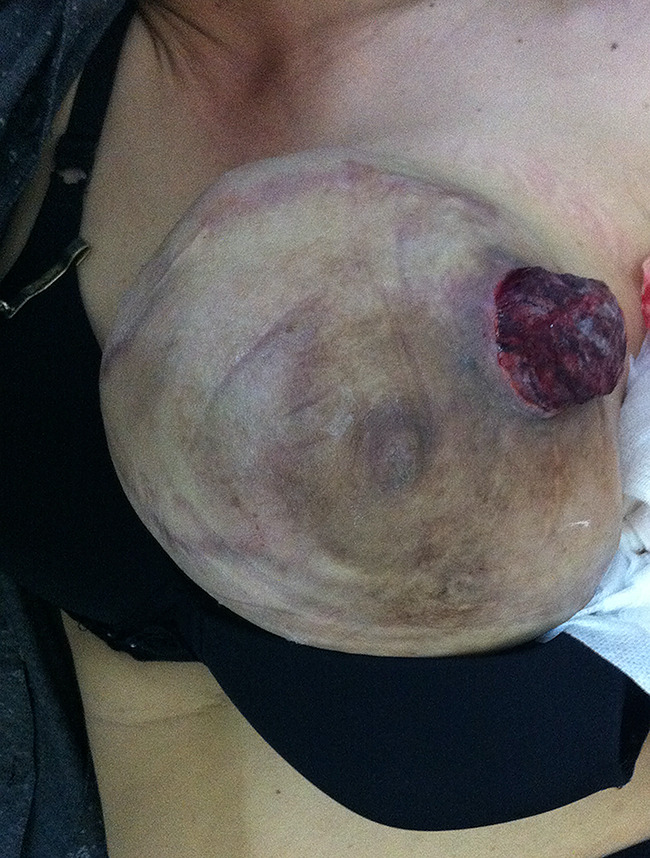 Figure 4
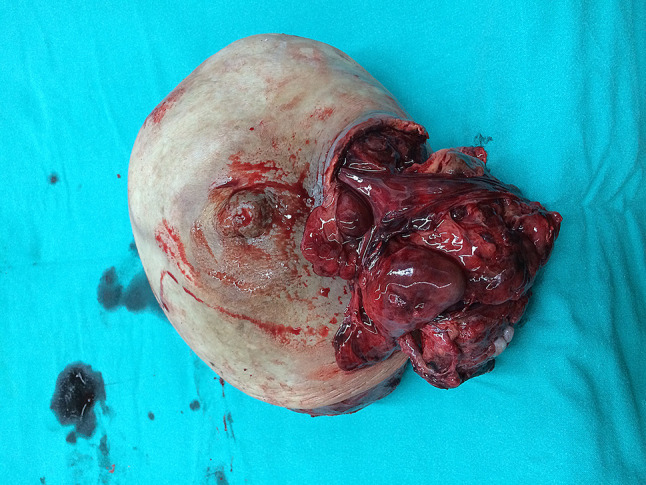 Figure 5
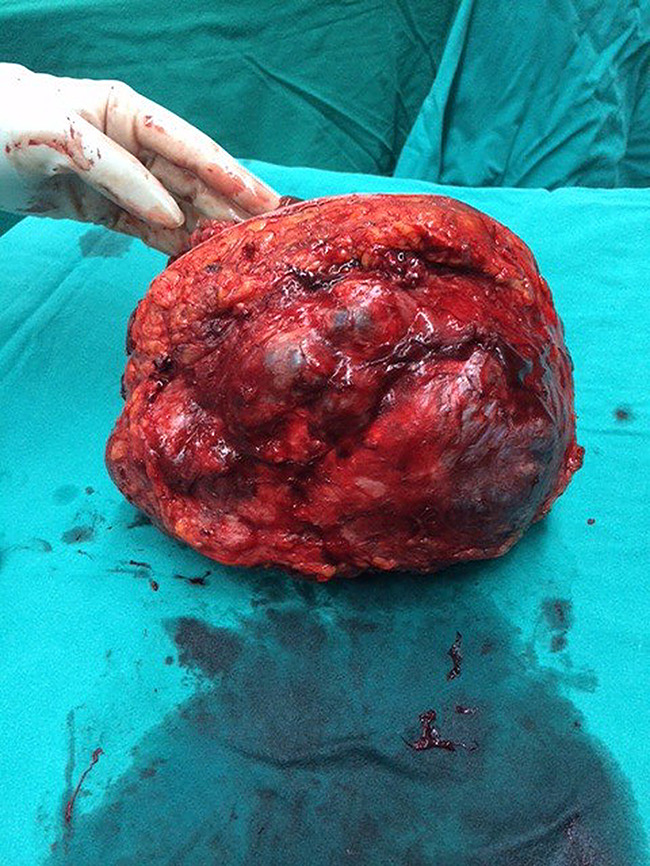 Figure 6
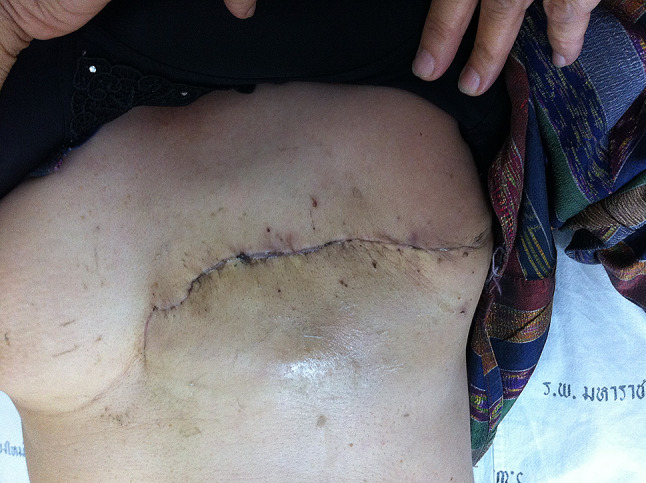 Figure 7
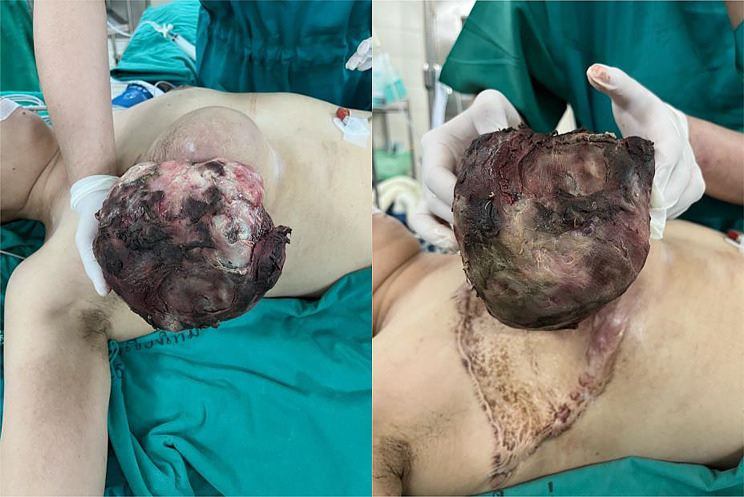 Figure 8
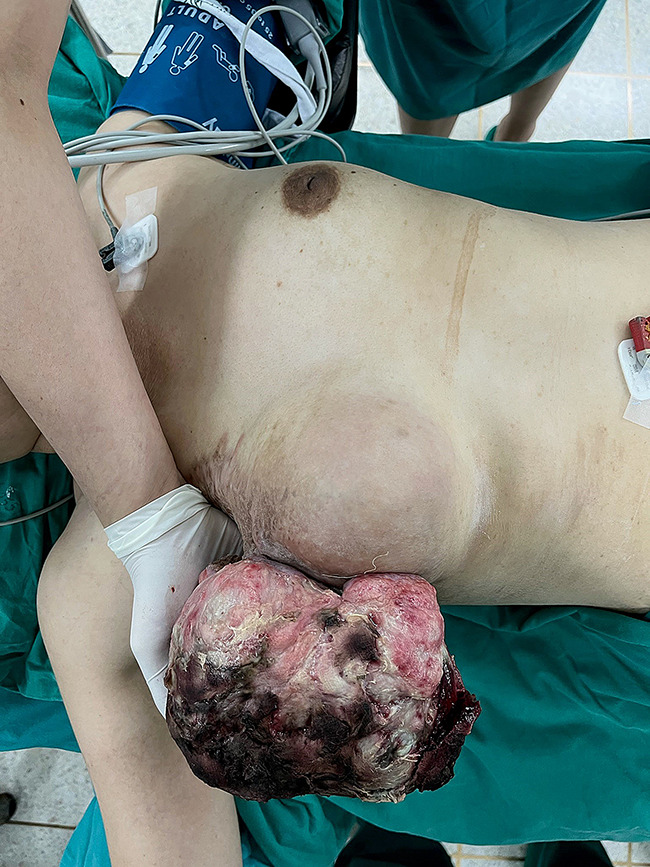 Figure 9
Peer Reviews
No public reviews on file for this paper yet. If you reviewed it on a platform where reviews are public (OpenReview, ICLR, NeurIPS, ICML), you can paste yours below so the community can read it here.
Videos
No videos yet. Explain this paper in a talk, walkthrough, or lecture? Add one.
Taxonomy
TopicsBreast Lesions and Carcinomas · Salivary Gland Tumors Diagnosis and Treatment · Breast Cancer Treatment Studies