Realising the ambivalent nature of H2O2 in oxidation catalysis – its dual role as an oxidant and a substrate
C. Maurits de Roo, Marika Di Berto Mancini, Wesley R. Browne

TL;DR
This paper explores how hydrogen peroxide (H2O2) can both act as an oxidant and a substrate in catalytic reactions, emphasizing the need to monitor its behavior to improve catalyst design and safety.
Contribution
The paper introduces a new approach to catalyst development by advocating for multi-spectroscopic monitoring of H2O2 and reaction byproducts.
Findings
H2O2 can act as both an oxidant and a substrate, competing with organic substrates in catalytic reactions.
Tracking all reaction components, including H2O2 and O2, is essential for understanding reaction pathways and improving catalyst design.
The same catalyst intermediate can be involved in both H2O2 oxidation and substrate oxidation, challenging previous assumptions.
Abstract
H2O2 is a desirable terminal oxidant due to its good atom economy with H2O being the only by-product when used productively. Its relative stability is advantageous in transport and storage, meaning that catalysts can both activate and direct its oxidising power towards selective oxidation of organic substrates. Wasteful disproportionation of H2O2 (into H2O and O2) is a well-recognised challenge and receives little, if any, attention in catalyst design. Nevertheless, understanding how H2O2 reacts during catalysed oxidations is essential to avoid inefficient use of H2O2, and, more importantly, hazardous conditions in which large amounts of O2 are released by disproportionation. Reaction progress monitoring is an essential component in catalyst development, typically focusing on substrate conversion/product yield. In this frontier article, we advocate for multi-spectroscopic reaction…
Genes, proteins, chemicals, diseases, species, mutations and cell lines named across the full text — each resolved to its canonical identifier and authoritative record.
Click any figure to enlarge with its caption.
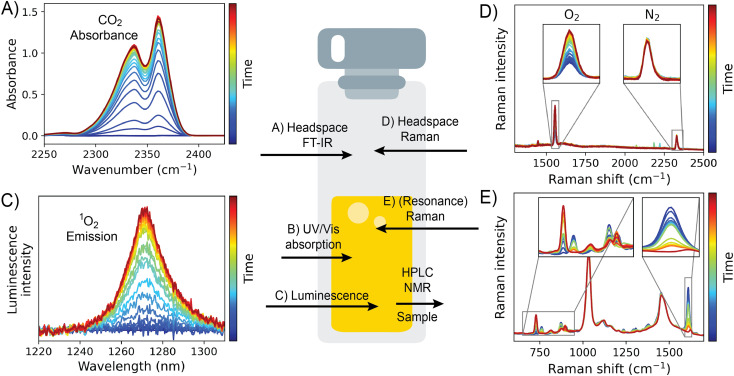 Figure 1
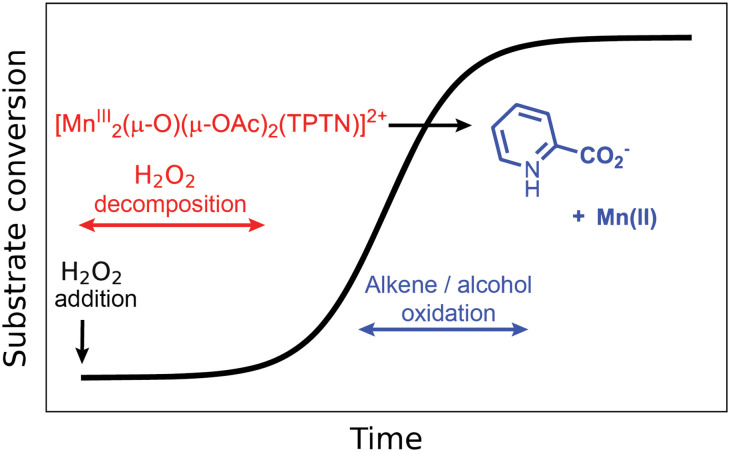 Figure 2
 Figure 3
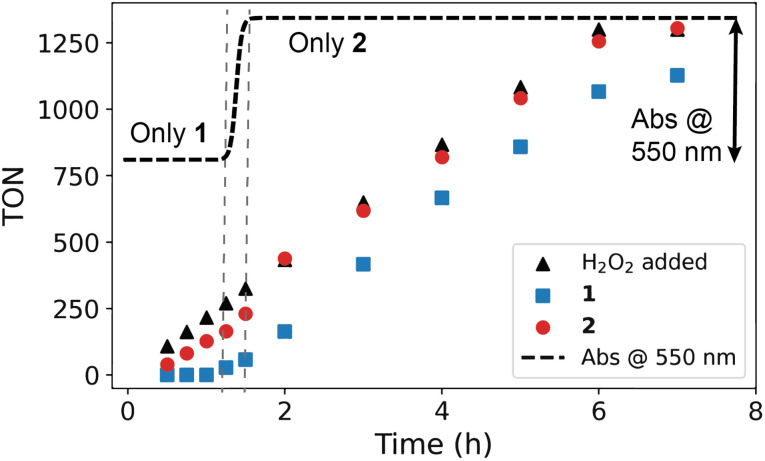 Figure 4
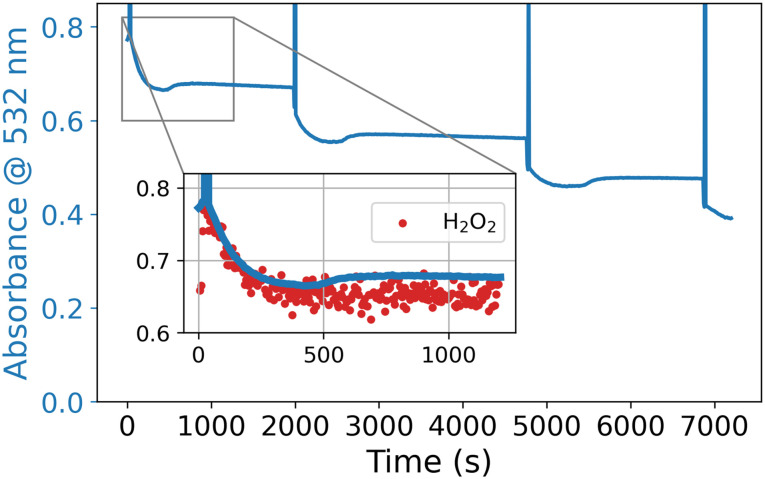 Figure 5
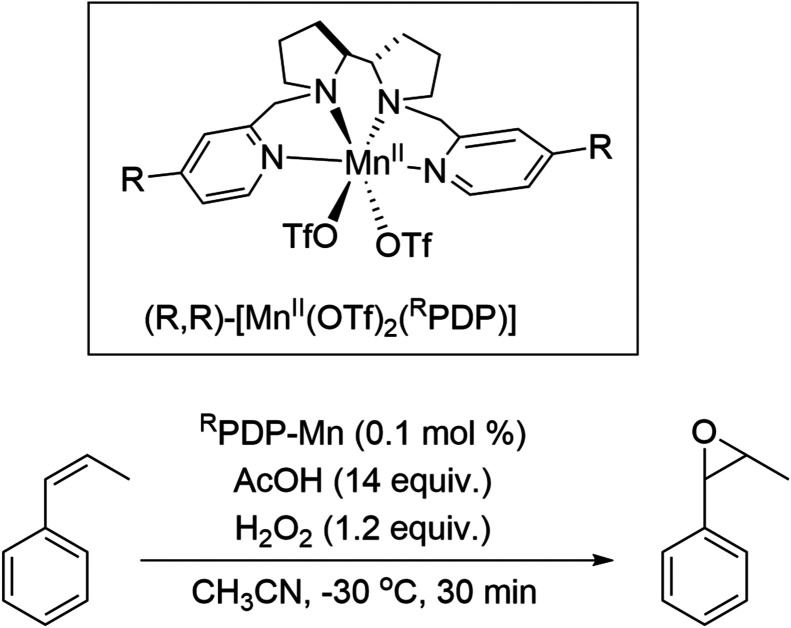 Figure 6
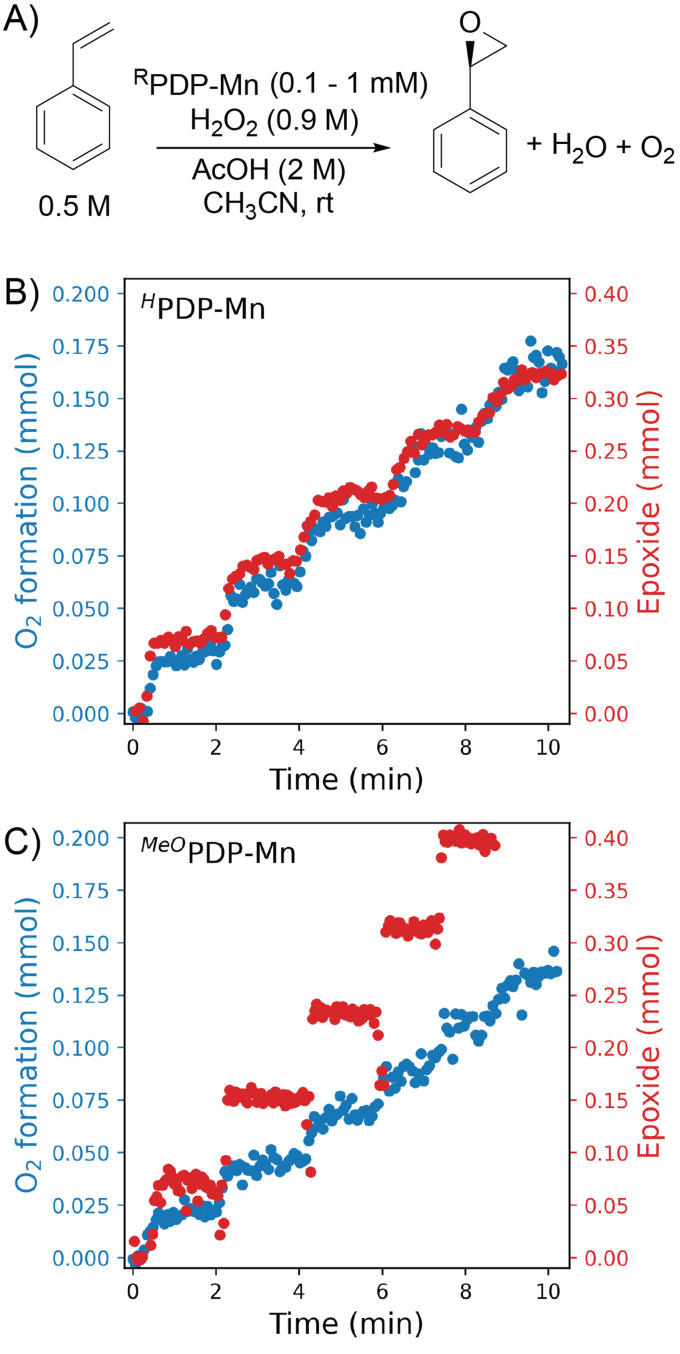 Figure 7
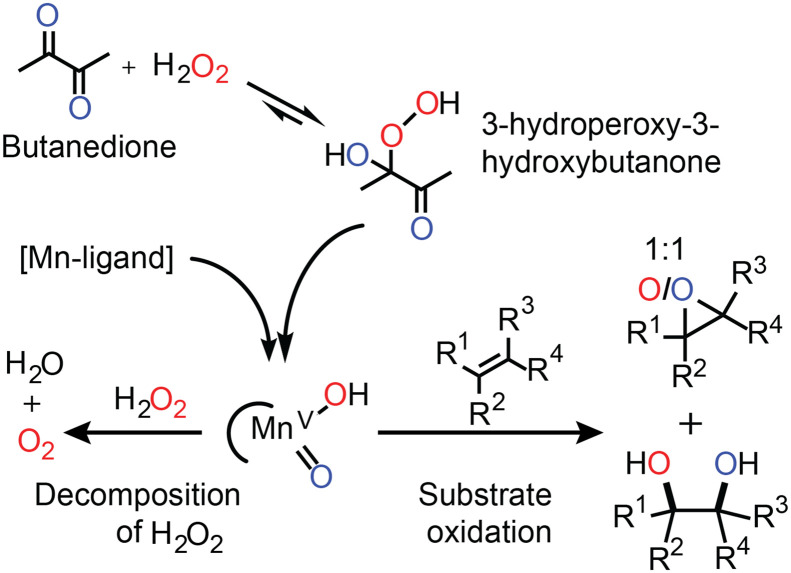 Figure 8
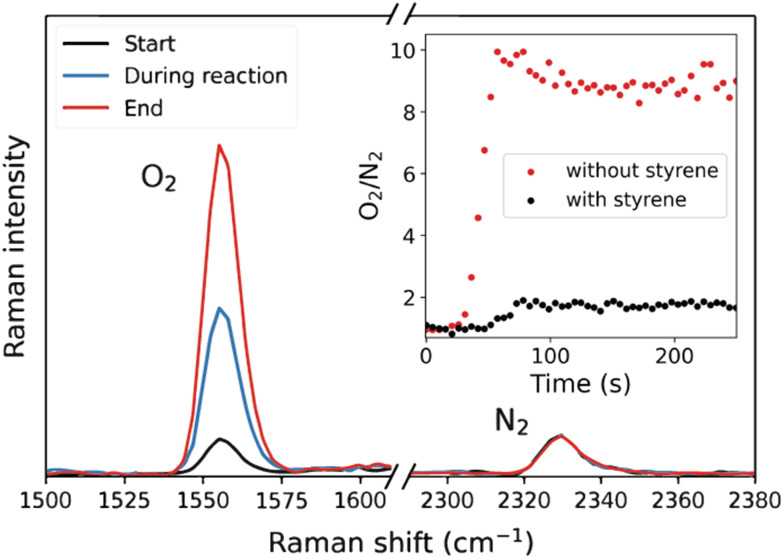 Figure 9
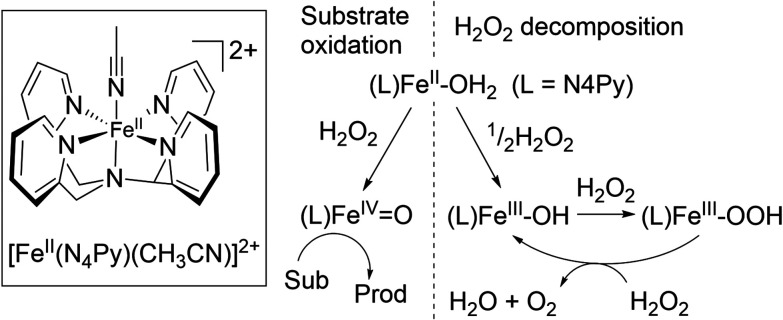 Figure 10
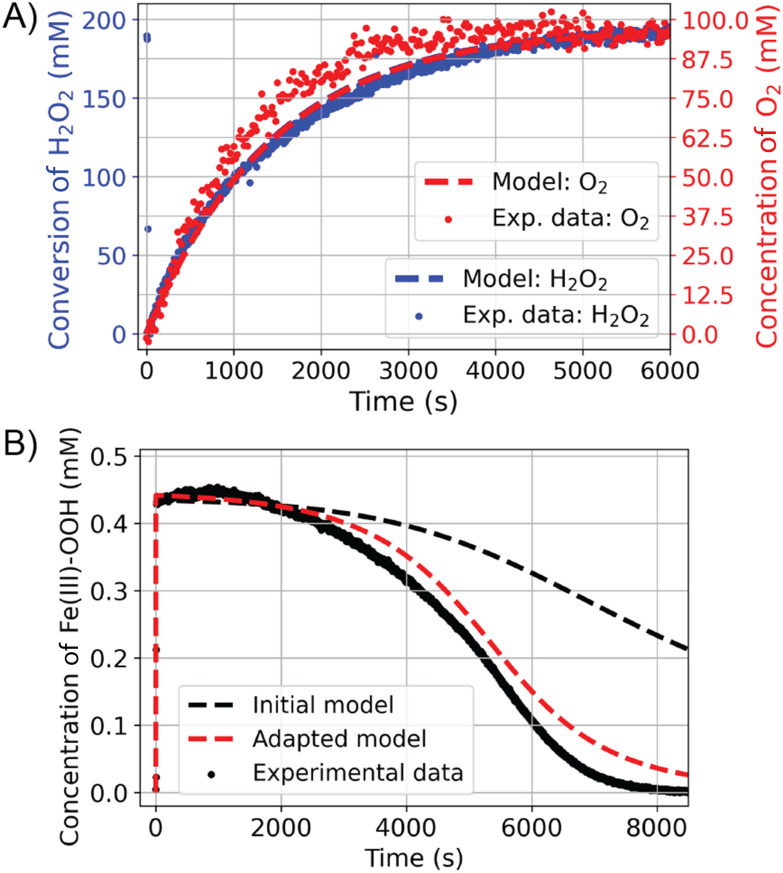 Figure 11
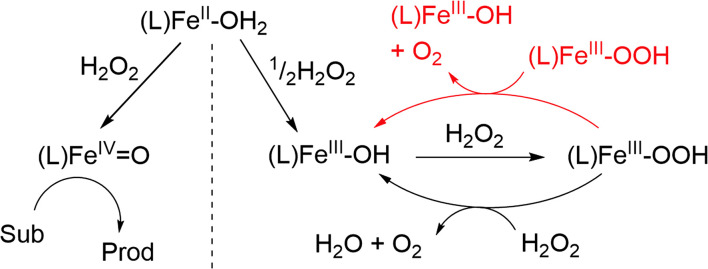 Figure 12
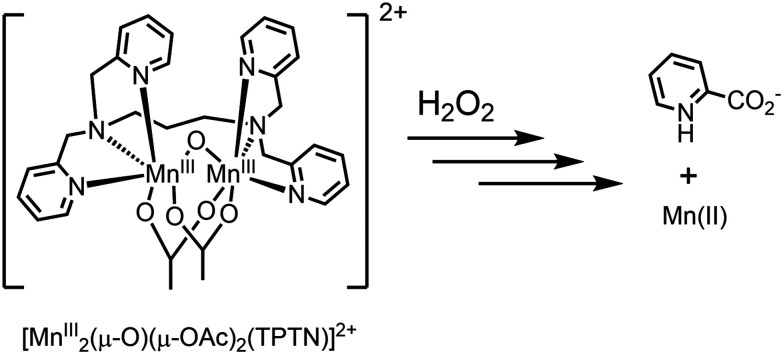 Figure 13
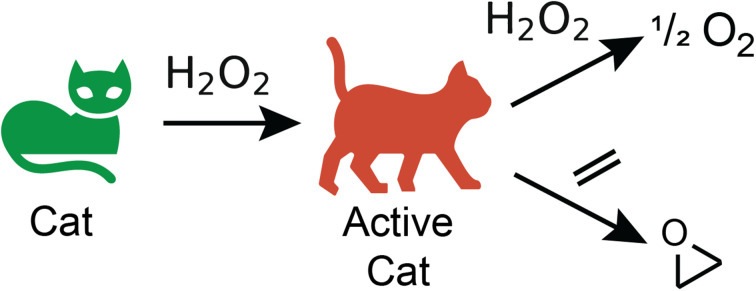 Figure 14
Peer Reviews
No public reviews on file for this paper yet. If you reviewed it on a platform where reviews are public (OpenReview, ICLR, NeurIPS, ICML), you can paste yours below so the community can read it here.
Videos
No videos yet. Explain this paper in a talk, walkthrough, or lecture? Add one.
Taxonomy
TopicsMetal-Catalyzed Oxygenation Mechanisms · Porphyrin and Phthalocyanine Chemistry · Oxidative Organic Chemistry Reactions