Development and Validation of In‐House Conventional and Multiplex PCR Methods for the Detection and Identification of Lophomonas spp.: An Innovative Approach
Maryam Nakhaei, Mahdi Fakhar, Abouzar Bagheri, Hajar Ziaei Hezarjaribi, Saied Abediankenari, Ali Sharifpour, Maryam Ghasemi

TL;DR
This study developed and validated new PCR methods to detect and identify Lophomonas species, showing that multiplex PCR is more sensitive and accurate than traditional microscopy.
Contribution
The development and validation of in-house conventional and multiplex PCR methods for Lophomonas detection and species identification.
Findings
Multiplex-PCR showed 100% sensitivity in detecting Lophomonas infections.
Multiplex-PCR had strong agreement with conventional PCR (κ = 0.96).
All positive samples were identified as L. blattarum using multiplex-PCR.
Abstract
Pulmonary lophomoniasis is an emerging disease caused by the protozoan pathogen Lophomonas spp. Recently, a conventional polymerase chain reaction (PCR) method has been developed. However, its sensitivity and specificity remain to be fully established. Therefore, this study aimed to develop in‐house conventional and multiplex PCR for the detection and identification of Lophomonas infections. Additionally, we attempted to compare the diagnostic performance of these novel PCR tests with the current microscopic examination method using BAL samples. We studied 120 bronchoalveolar lavage (BAL) specimens of the patients clinically suspected of having lophomoniasis. The specimens were examined using three methods: microscopic examination (Giemsa staining), in‐house conventional PCR, and multiplex‐PCR. Moreover, multiplex‐PCR was used for the simultaneous identification of two species of…
Genes, proteins, chemicals, diseases, species, mutations and cell lines named across the full text — each resolved to its canonical identifier and authoritative record.
Click any figure to enlarge with its caption.
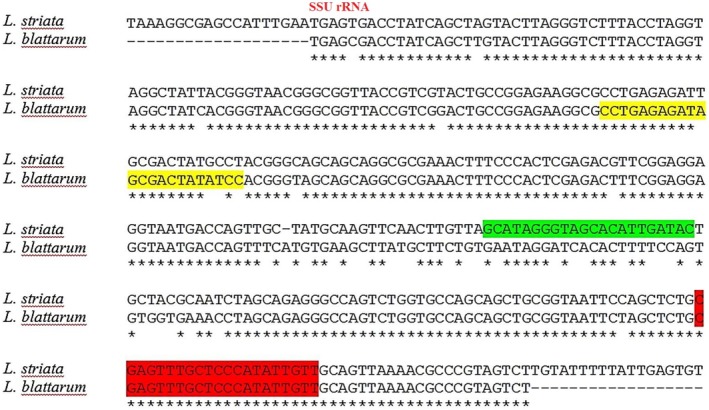 Figure 1
 Figure 2
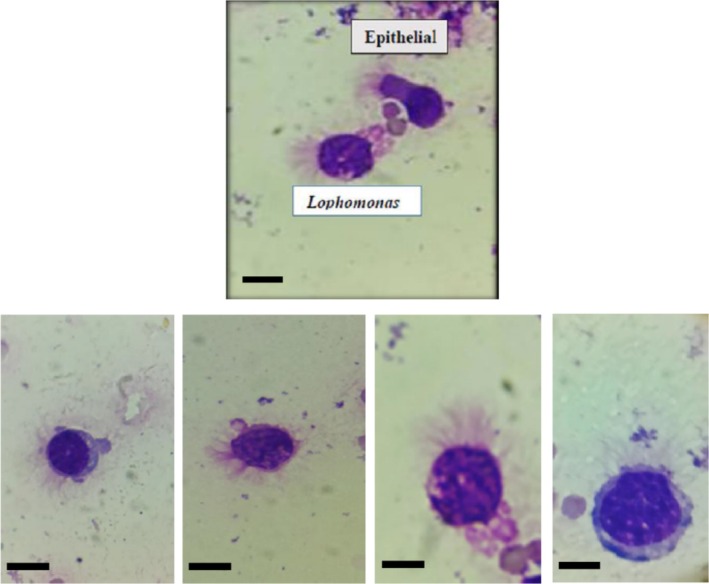 Figure 3
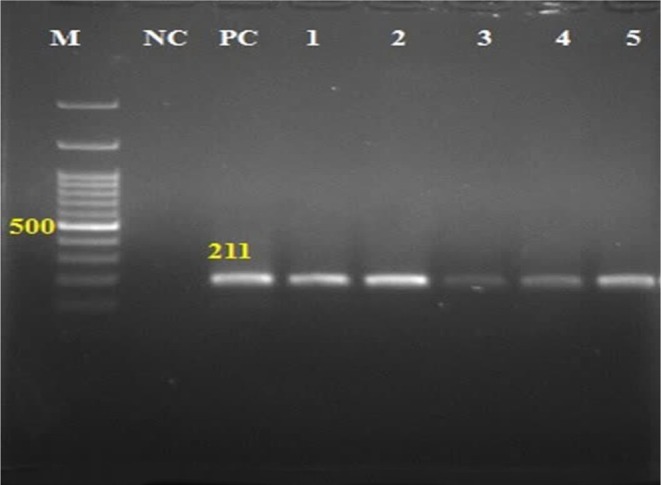 Figure 4
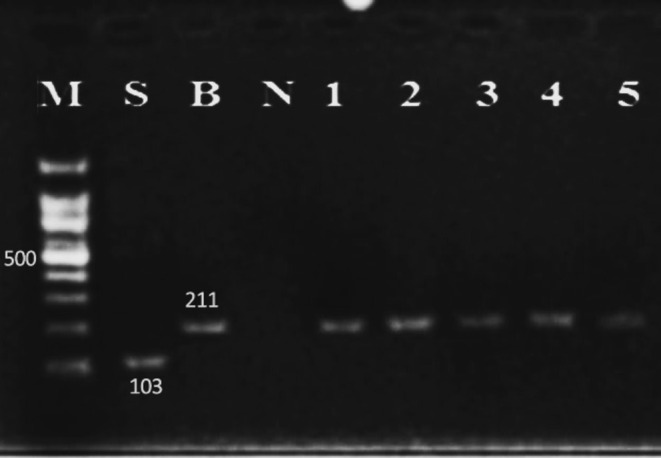 Figure 5
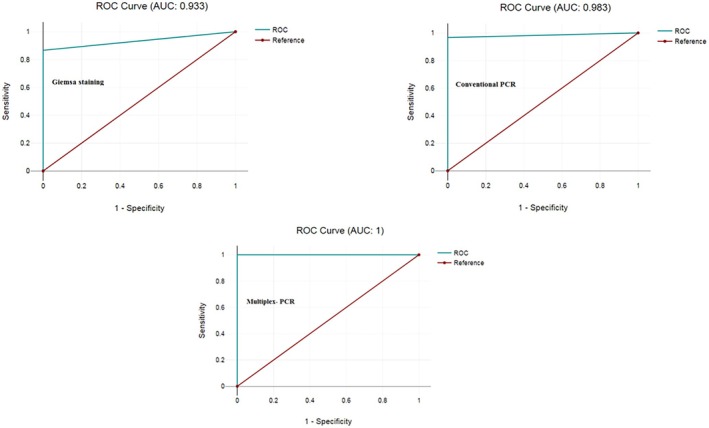 Figure 6
Peer Reviews
No public reviews on file for this paper yet. If you reviewed it on a platform where reviews are public (OpenReview, ICLR, NeurIPS, ICML), you can paste yours below so the community can read it here.
Videos
No videos yet. Explain this paper in a talk, walkthrough, or lecture? Add one.
Taxonomy
TopicsInsects and Parasite Interactions