Novel and efficient synthesis of 5-chloro-6-methoxy-3-(2-((1-(aryl)-1H-1,2,3-triazol-4-yl)methoxy)ethyl)benzo[d]isoxazole derivatives as new α-glucosidase inhibitors
Ram Reddy Mudireddy, Rambabu Gundla, Chandra Prakash Koraboina, Vani Madhuri Velavalapalli, Venkata Veernjaneya Sarma Dhulipalla, Gowri Sankararao Burle, Sreekantha B. Jonnalagadda, Naresh Kumar Katari

TL;DR
Scientists created new compounds that effectively inhibit an enzyme linked to diabetes and also show antibacterial properties.
Contribution
A new class of benzo[d]isoxazole-triazole hybrids was synthesized and shown to be potent α-glucosidase inhibitors.
Findings
The compounds showed α-glucosidase inhibition with IC50 values as low as 14.69 nmol.
Electron-withdrawing substituents like Br and CF3 improved enzyme inhibition.
Some compounds also exhibited antibacterial activity against B. cereus.
Abstract
A new series of benzisoxazole derivatives (9a-o) were designed by using molecular hybridization approach and synthesized via click-chemistry. All the synthesized compounds were evaluated for their α-glucosidase enzyme inhibition and antibacterial activity. All tested compounds (9a-o) exhibited a promising α-glucosidase inhibitory activity with IC50 range of 14.69–38.71 nmol in comparison with the positive drug Acarbose (IC50 35.91 nmol). Additionally, these compounds have found to be active against B. cereus and E. coli. The in vitro inhibition results supported to in silico. Additionally, the compounds were subjected to computational drug-likeness/ADME testing, which revealed that this all the compounds had good ADME profiles in addition to exhibiting drug-like qualities. SAR indicates that analysis revealed that electron-withdrawing substituents such as Br and CF3 at specific…
Genes, proteins, chemicals, diseases, species, mutations and cell lines named across the full text — each resolved to its canonical identifier and authoritative record.
Click any figure to enlarge with its caption.
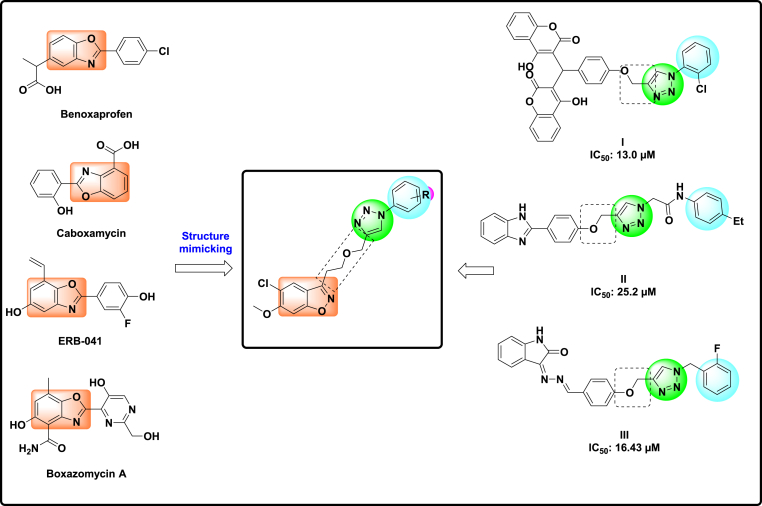 Figure 1
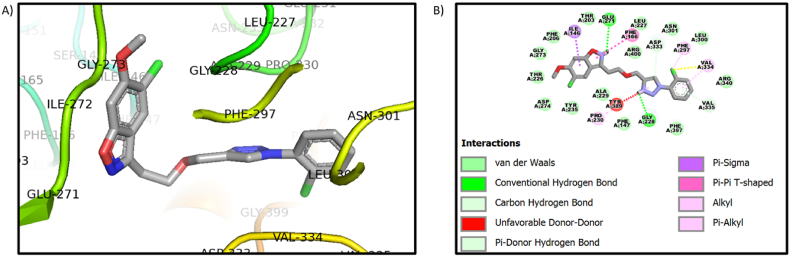 Figure 2
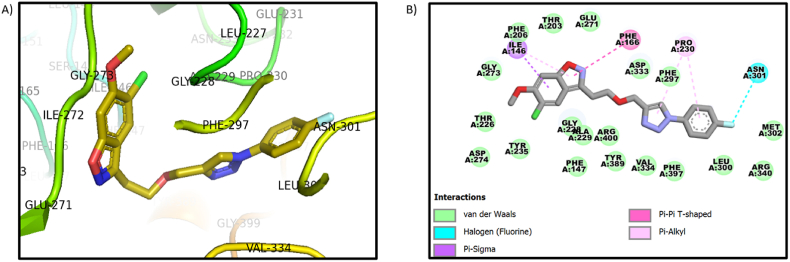 Figure 3
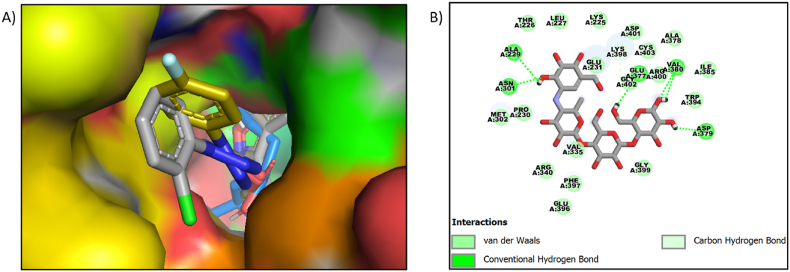 Figure 4
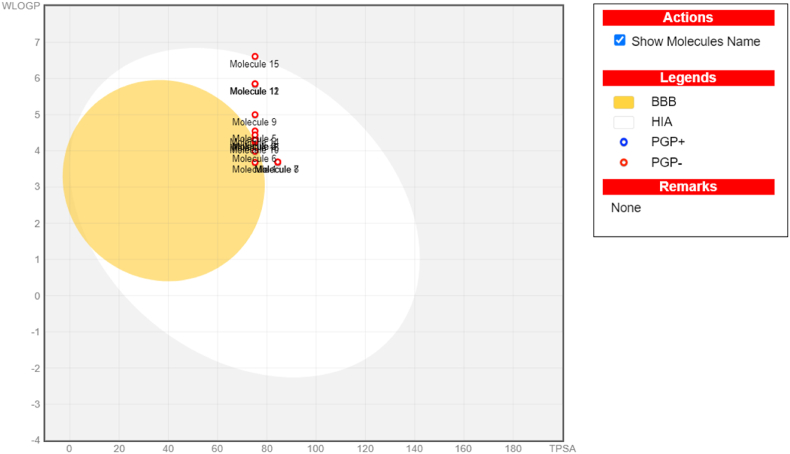 Figure 5
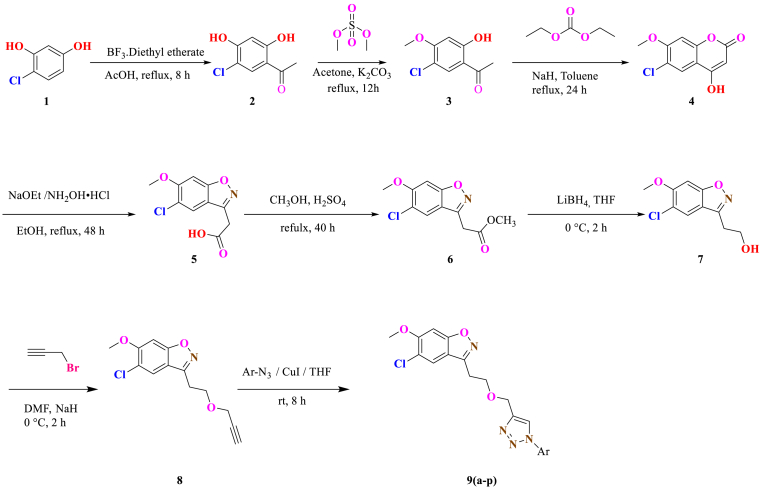 Figure 6
Peer Reviews
No public reviews on file for this paper yet. If you reviewed it on a platform where reviews are public (OpenReview, ICLR, NeurIPS, ICML), you can paste yours below so the community can read it here.
Videos
No videos yet. Explain this paper in a talk, walkthrough, or lecture? Add one.
Taxonomy
TopicsClick Chemistry and Applications · Synthesis and biological activity · Natural Antidiabetic Agents Studies