Inactivation of SIAH-1 E3 ligase attenuates Aβ toxicity by suppressing ubiquitin-dependent DVE-1 degradation in Caenorhabditis elegans models of Alzheimer’s disease
Lihua Sun, Jiahui Liu, Menghan Lu, Yingying Zhou, Shuqi Guo, Zhipeng Qin, Zekun Wang, Xiaojuan Sun

TL;DR
This study shows that blocking SIAH-1 reduces Aβ toxicity in worms by preserving DVE-1, which helps maintain mitochondrial health and may offer a new approach for treating Alzheimer's disease.
Contribution
The study identifies SIAH-1 as a novel E3 ligase that targets DVE-1 for degradation, linking ubiquitin-dependent proteostasis to Aβ toxicity in Alzheimer's models.
Findings
Disrupting SIAH-1 or overexpressing DVE-1 reduces Aβ toxicity and aggregation in multiple C. elegans AD models.
SIAH-1 mediates K48-linked polyubiquitination of DVE-1, leading to its proteasomal degradation.
Restoring DVE-1 levels rescues mitochondrial integrity and function in Aβ-expressing worms.
Abstract
The mitochondrial unfolded protein response (UPRmt), an evolutionarily conserved proteostasis pathway, plays a critical role in the pathogenesis of Alzheimer's disease (AD), characterized by amyloid-β peptide (Aβ) aggregation. Although the transcription factor DVE-1 regulates UPRmt activation in Caenorhabditis elegans and has been implicated in Aβ pathology, its regulatory mechanisms under AD-like conditions remain unclear. Here, using the classical C. elegans muscle-specific AD model (CL2006 strain), we observed UPRmt induction in young adults despite paradoxical depletion of DVE-1 protein concurrent with elevated dve-1 transcript levels. Through integrated genetic and biochemical analyses, we identified SIAH-1, a conserved E3 ubiquitin ligase that partners with the E2 enzyme UBC-25 to interact with DVE-1 and mediate its K48-linked polyubiquitination, as targeting DVE-1 for proteasomal…
Genes, proteins, chemicals, diseases, species, mutations and cell lines named across the full text — each resolved to its canonical identifier and authoritative record.
Click any figure to enlarge with its caption.
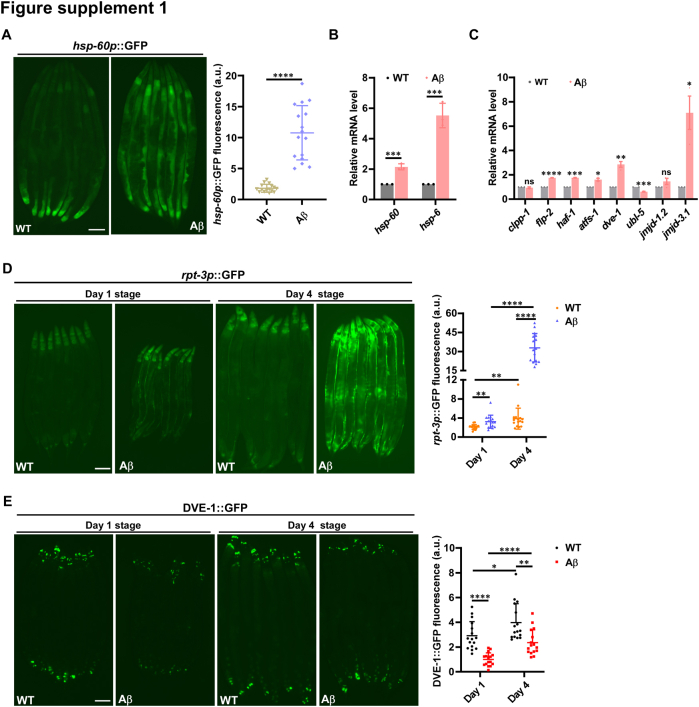 Figure 1
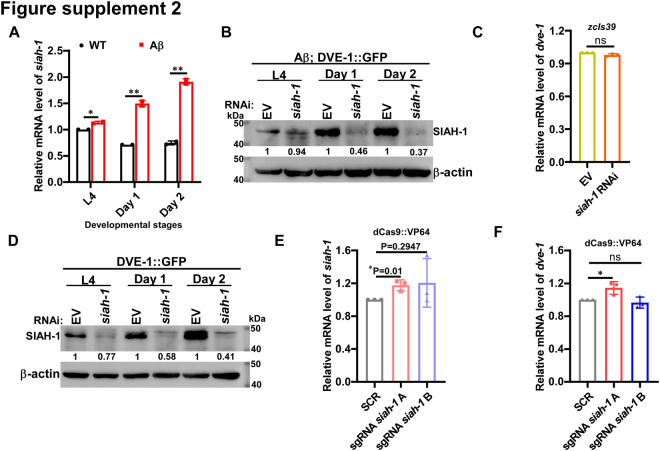 Figure 2
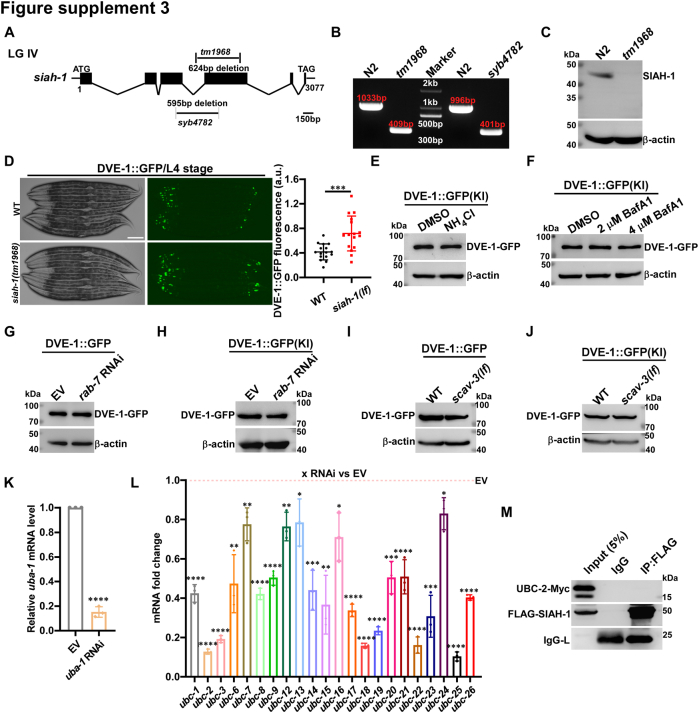 Figure 3
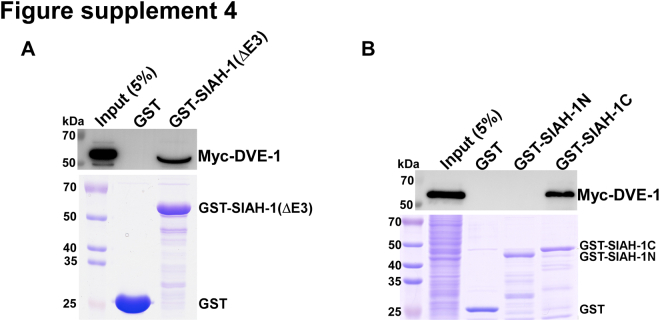 Figure 4
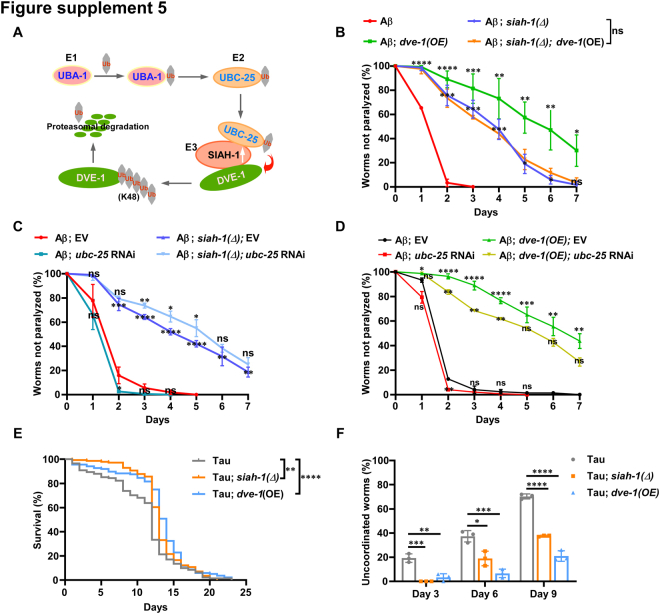 Figure 5
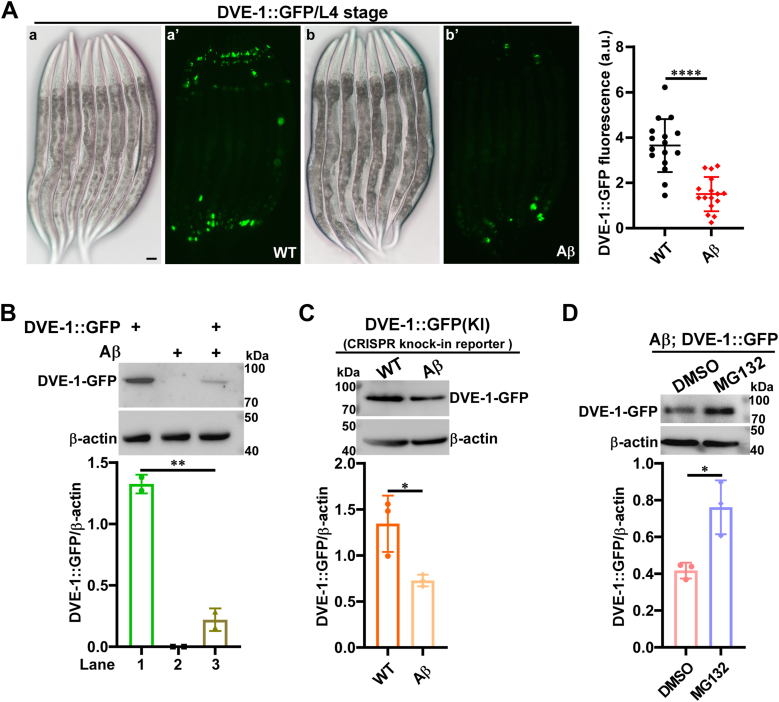 Figure 6
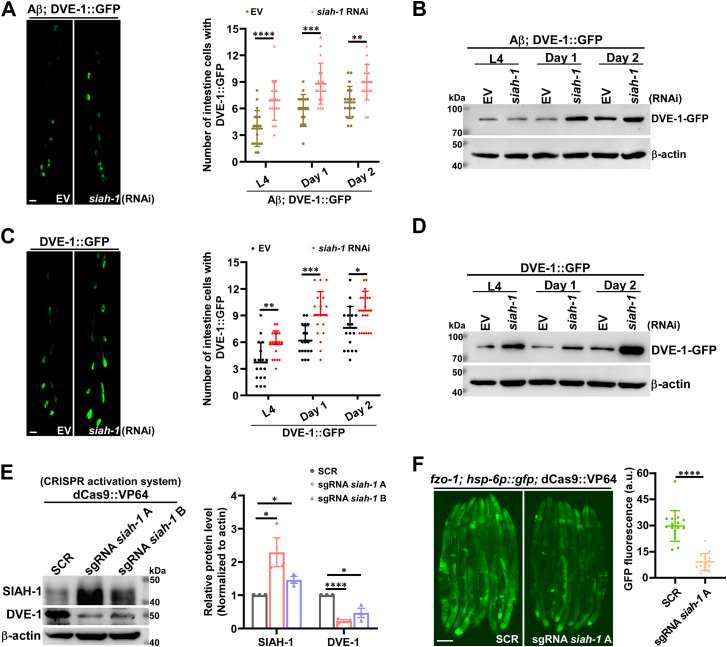 Figure 7
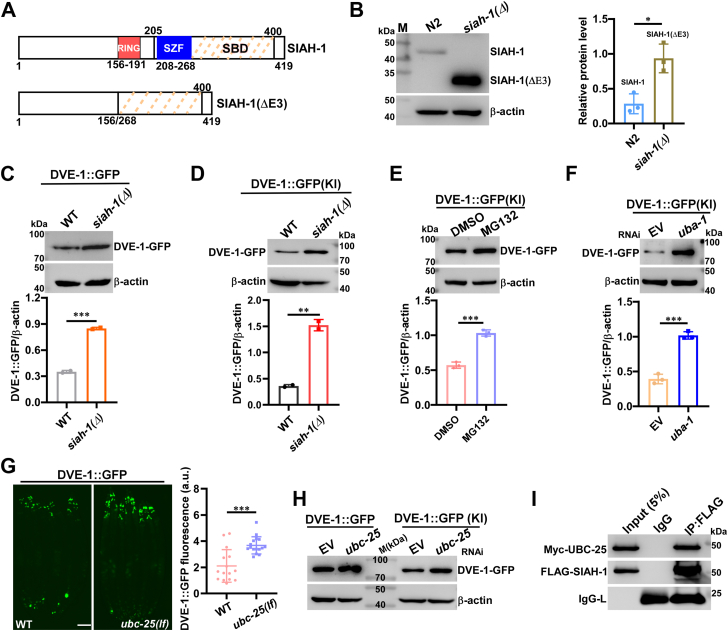 Figure 8
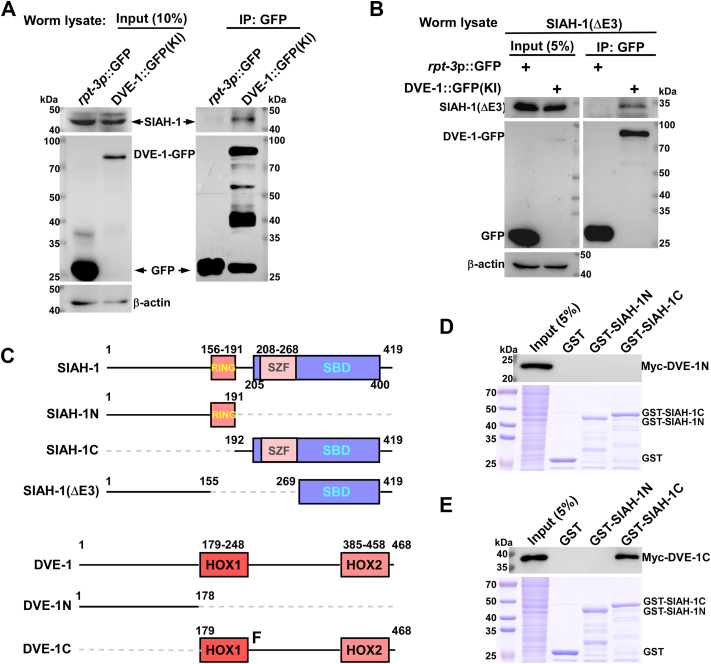 Figure 9
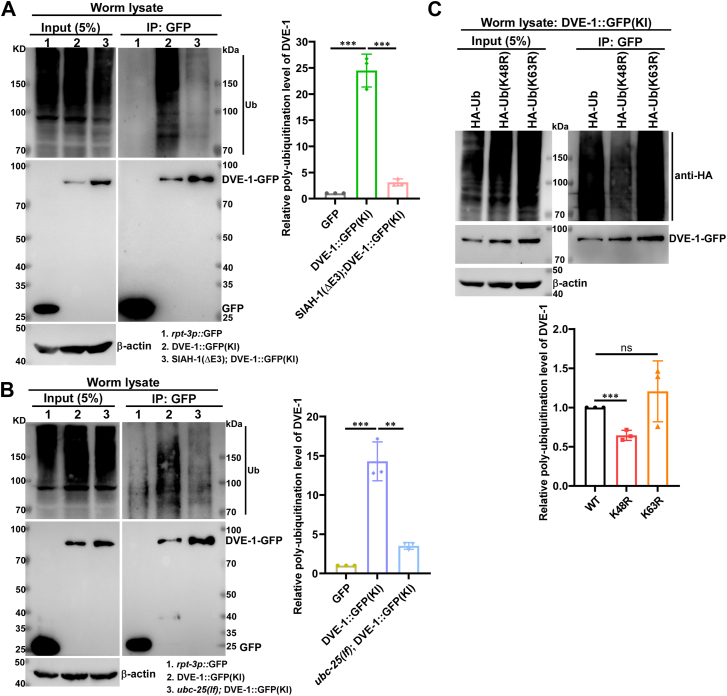 Figure 10
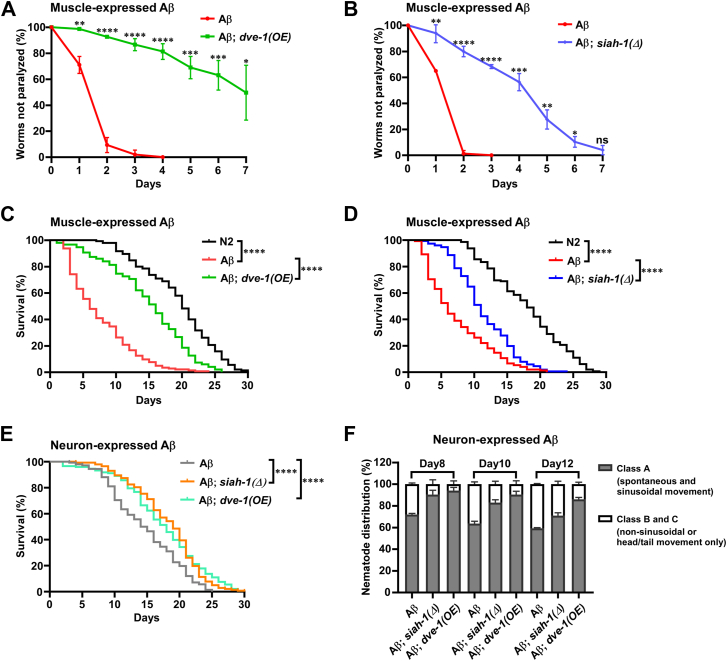 Figure 11
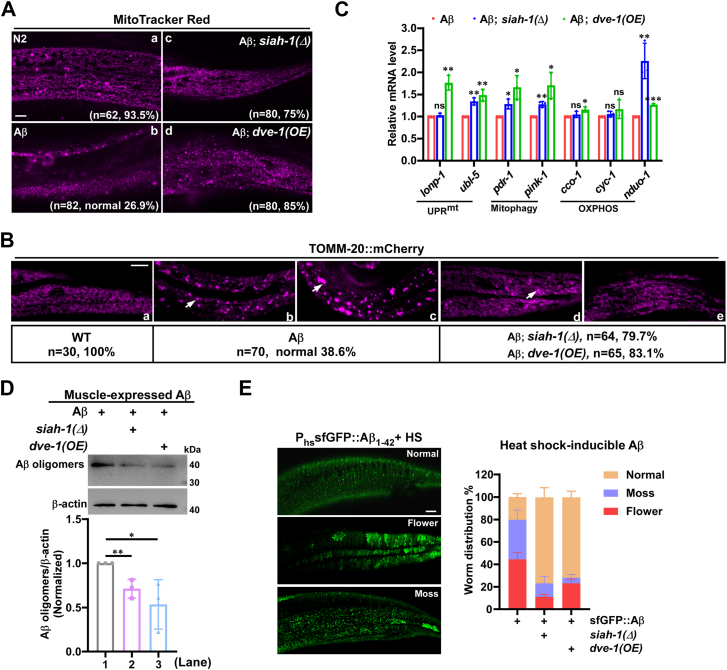 Figure 12
Peer Reviews
No public reviews on file for this paper yet. If you reviewed it on a platform where reviews are public (OpenReview, ICLR, NeurIPS, ICML), you can paste yours below so the community can read it here.
Videos
No videos yet. Explain this paper in a talk, walkthrough, or lecture? Add one.
Taxonomy
TopicsUbiquitin and proteasome pathways · Endoplasmic Reticulum Stress and Disease · Mitochondrial Function and Pathology