Interrogation of macrophage-related prognostic signatures reveals a potential immune-mediated therapy strategy by histone deacetylase inhibition in glioma
Xisen Wang, Xuya Wang, Lei Chen, Haozhe Ding, Jikang Fan, Jianshen Liang, Yu Zhang, Yiming Li, Yiming Zhang, Shengping Yu, Chen Zhang, Yaohua Li, Tao Li, Xuejun Yang

TL;DR
This study identifies 14 genes linked to glioma-associated macrophages and finds that Vorinostat, a histone deacetylase inhibitor, may be an effective therapy for glioma.
Contribution
The study introduces a novel macrophage-related prognostic model and identifies Vorinostat as a potential therapeutic agent for glioma.
Findings
Fourteen prognostic genes were identified that are associated with glioma-associated macrophages.
Vorinostat showed significant inhibitory effects on the glioma microenvironment and was prioritized as a candidate therapeutic agent.
The model revealed the immunological landscape and molecular mechanisms of macrophages in glioma progression.
Abstract
Glioma-associated macrophages (GAMs) originate from intracranially resident microglia and myeloid-derived macrophages. In the glioma microenvironment, these two types of macrophages tend to adopt a specialized activation state known as type 2 or M2 macrophages and play crucial roles in the progression of glioma. To identify genes associated with GAMs, we intersected genes identified from single-cell RNA sequencing (scRNA-seq) data (specific to GAMs) with M2 macrophage module genes derived from weighted gene coexpression network analysis (WGCNA). Prognostic genes were screened using univariate Cox regression, multivariate Cox regression, and least absolute shrinkage and selection operator (LASSO) regression analysis. These genes were used to construct and validate prognostic signatures and to delineate the immune landscape. During drug screening, Vorinostat exhibited the highest risk…
Genes, proteins, chemicals, diseases, species, mutations and cell lines named across the full text — each resolved to its canonical identifier and authoritative record.
Click any figure to enlarge with its caption.
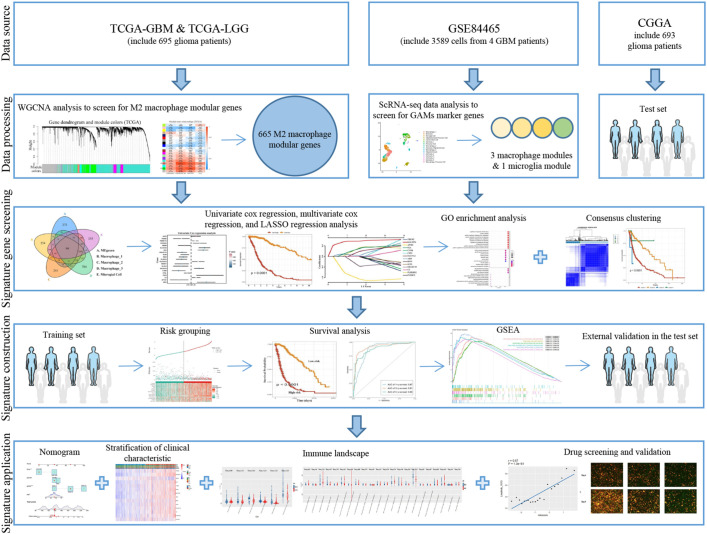 Figure 1
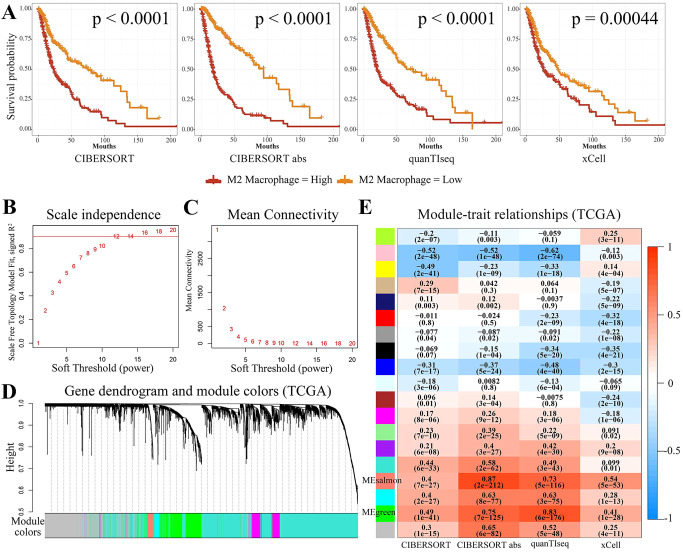 Figure 2
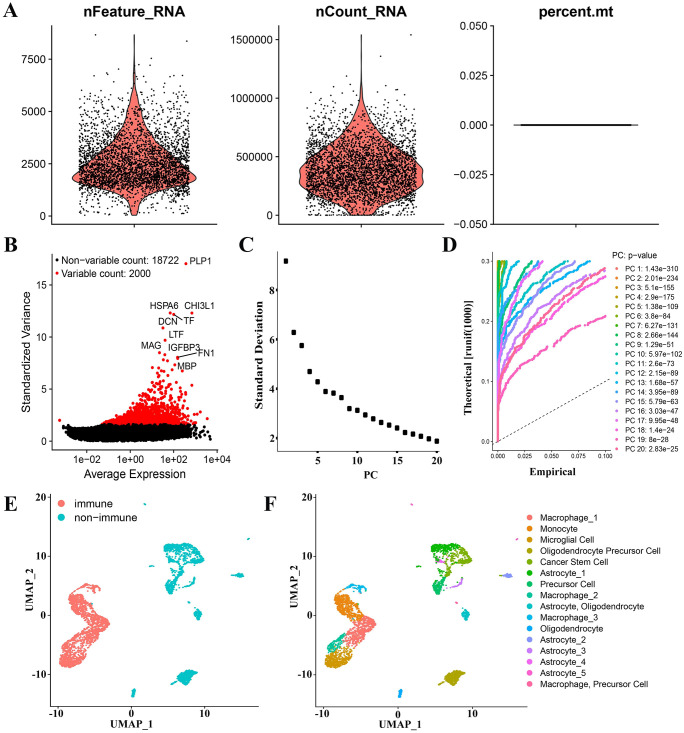 Figure 3
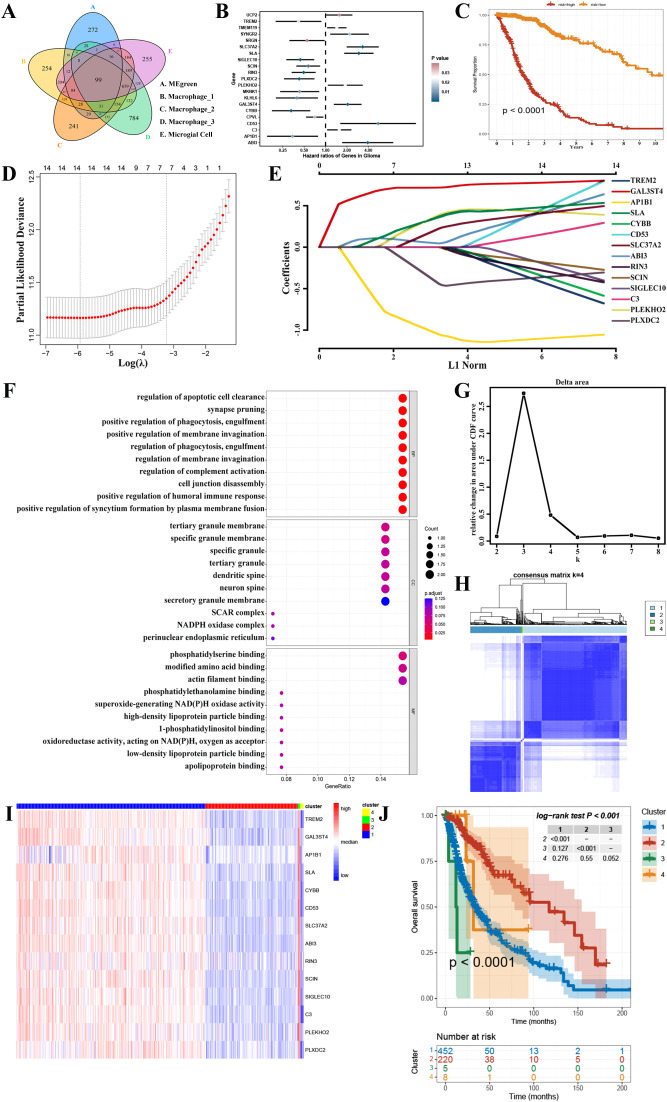 Figure 4
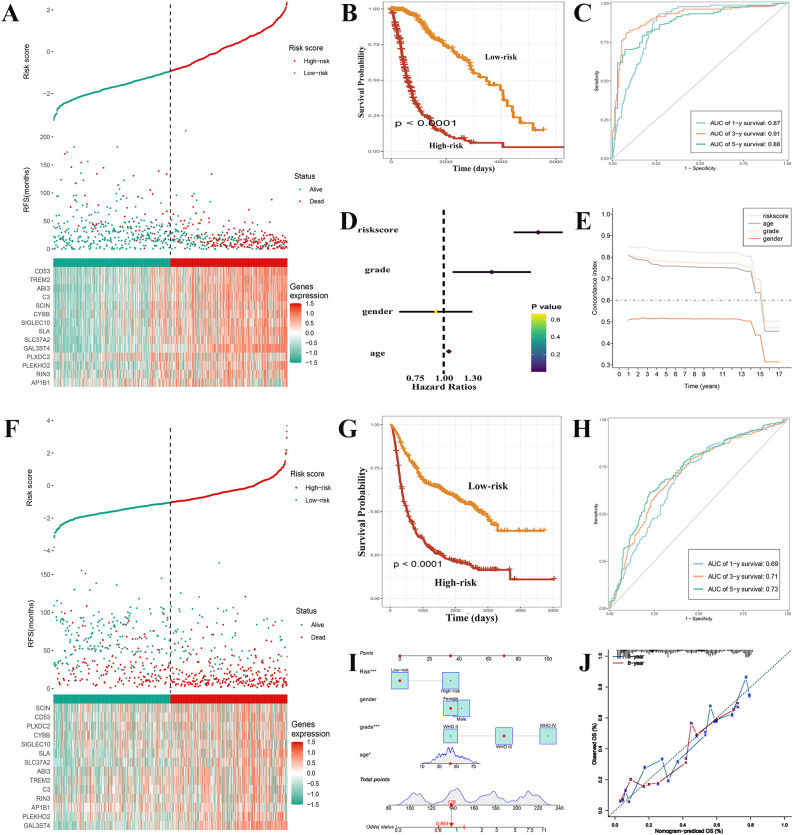 Figure 5
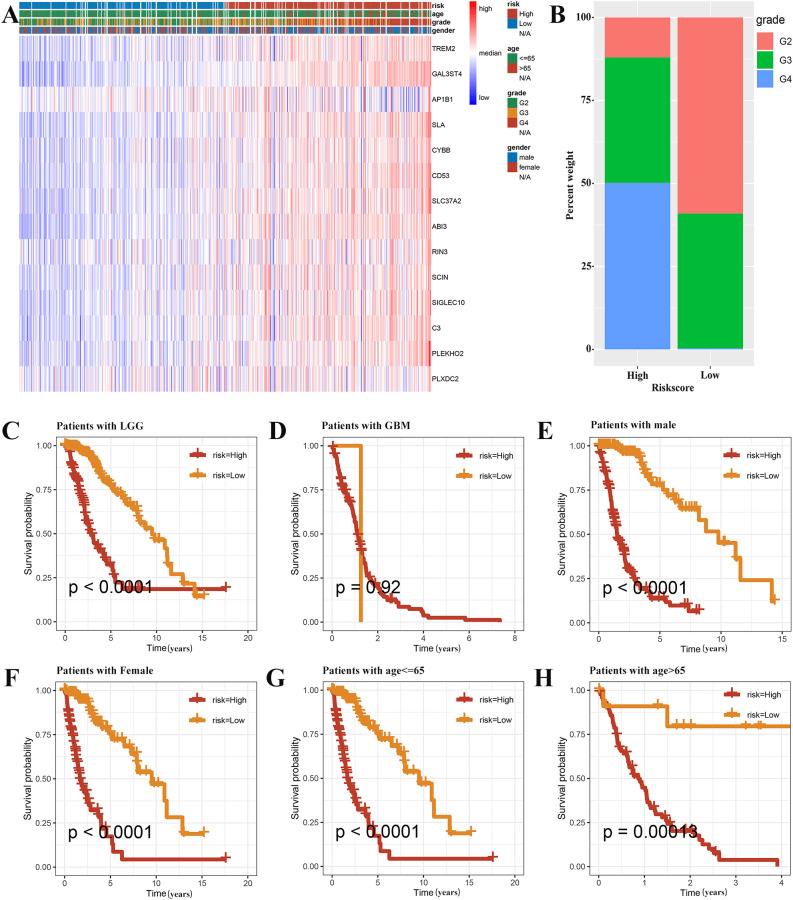 Figure 6
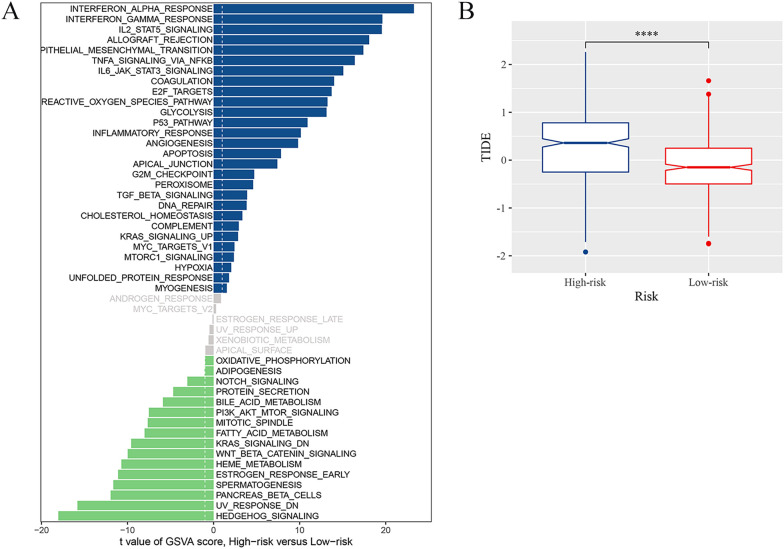 Figure 7
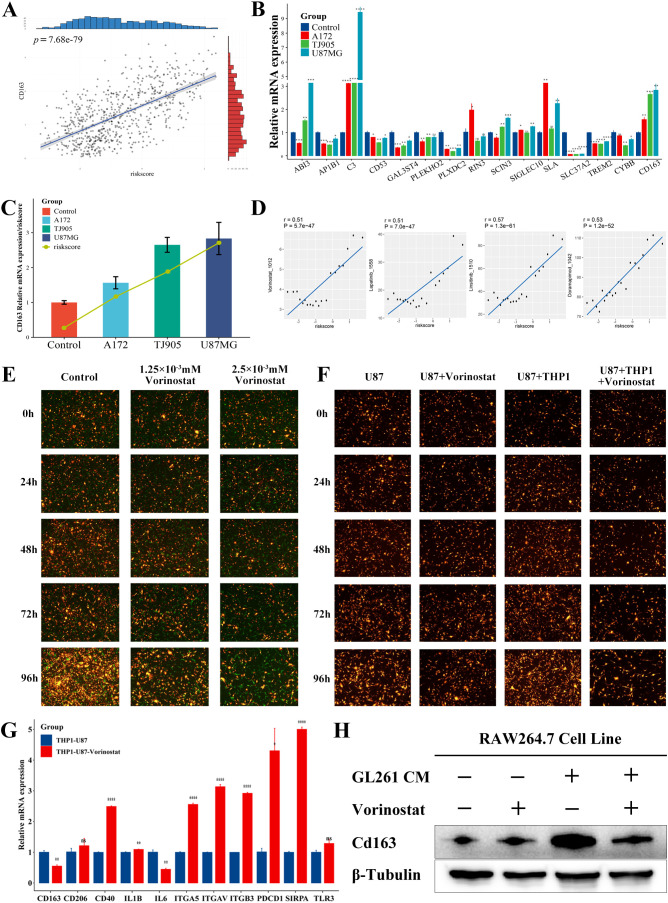 Figure 8
Peer Reviews
No public reviews on file for this paper yet. If you reviewed it on a platform where reviews are public (OpenReview, ICLR, NeurIPS, ICML), you can paste yours below so the community can read it here.
Videos
No videos yet. Explain this paper in a talk, walkthrough, or lecture? Add one.
Taxonomy
TopicsHistone Deacetylase Inhibitors Research · Immune cells in cancer · Neuroinflammation and Neurodegeneration Mechanisms