Unveiling pathogenesis of pelvic organ prolapse through transcriptomic and bioinformatic analyses in uterosacral ligament tissues of postmenopausal women
BingJie Rui, GuangHai Rui, YanFeng Yang

TL;DR
This study explores the molecular causes of pelvic organ prolapse by analyzing RNA in uterosacral ligament tissues from postmenopausal women.
Contribution
The study identifies novel noncoding RNA and mRNA interactions linked to pelvic organ prolapse pathogenesis.
Findings
Differential expression of mRNAs, miRNAs, lncRNAs, and circRNAs was observed in POP tissues.
Key pathways like MAPK and ECM regulation are implicated in POP development.
LncRNA FLJ20021 downregulation correlates with altered collagen and MMP9 expression.
Abstract
Pelvic organ prolapse (POP) is a common gynecological disorder arising from an imbalance in the synthesis and degradation of pelvic supportive tissues. Alterations in key molecules and genetic mutations affecting extracellular matrix (ECM) remodeling have been implicated in its development. This study aimed to profile coding and noncoding RNAs (ncRNAs) in uterosacral ligament tissues of postmenopausal women to elucidate POP’s molecular mechanisms. We enrolled five POP patients and three normal controls. Uterosacral ligament tissue samples were collected and analyzed using high-throughput transcriptome sequencing to profile messenger RNAs (mRNAs), micro RNAs (miRNAs), circular RNAs (circRNAs), and long noncoding RNAs (lncRNAs). Differential expression was determined using the criteria of |log2 (fold change)|>1 and an adjusted p-value (padj) < 0.05. Bioinformatics analyses, including…
Genes, proteins, chemicals, diseases, species, mutations and cell lines named across the full text — each resolved to its canonical identifier and authoritative record.
Click any figure to enlarge with its caption.
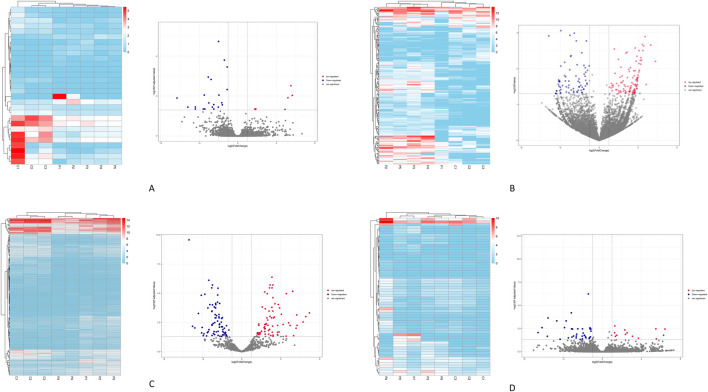 Figure 1
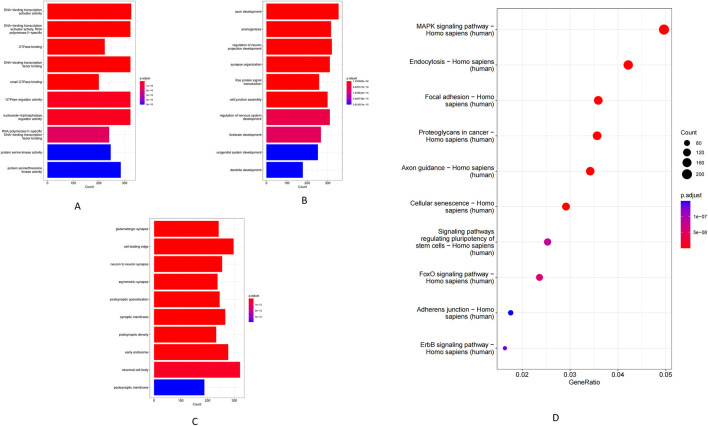 Figure 2
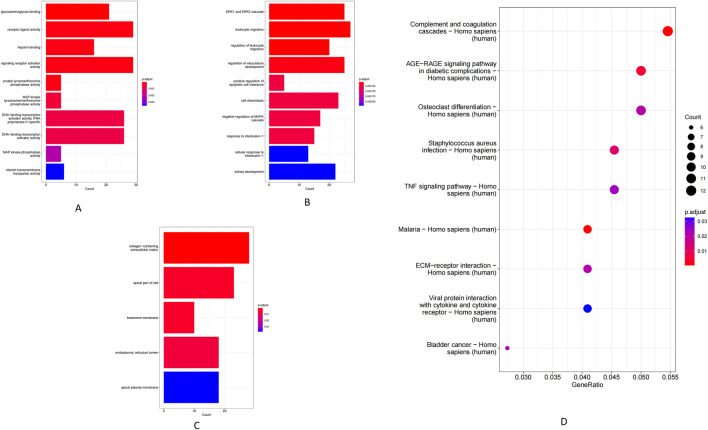 Figure 3
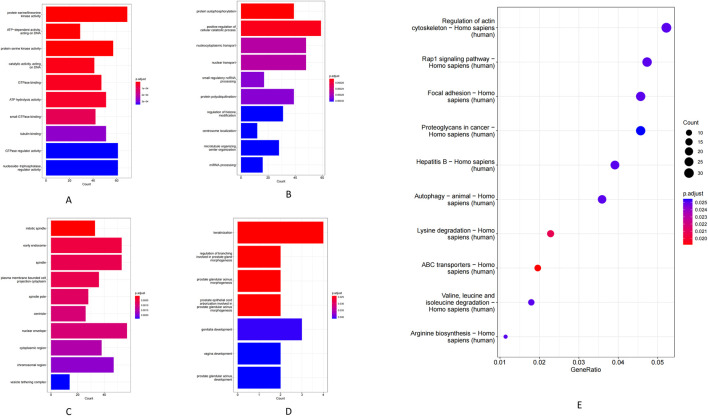 Figure 4
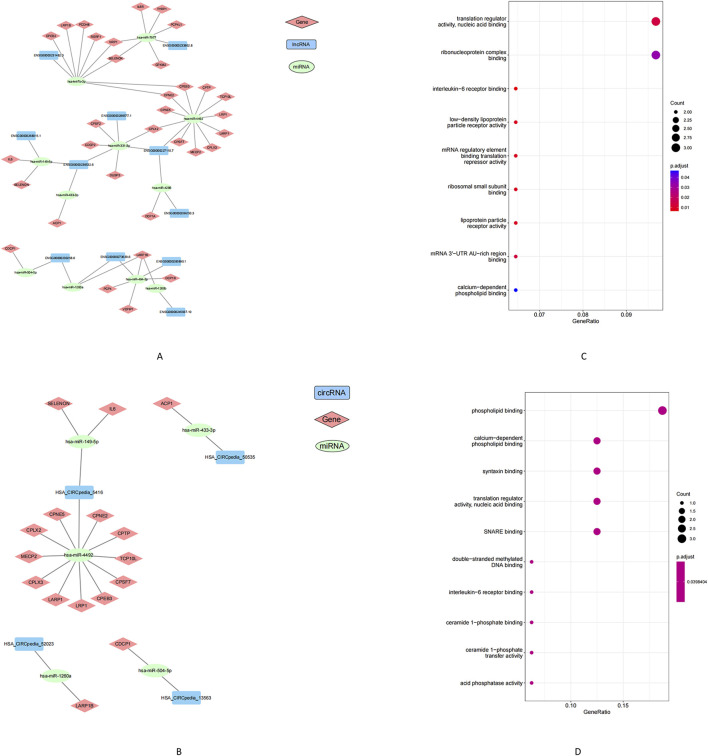 Figure 5
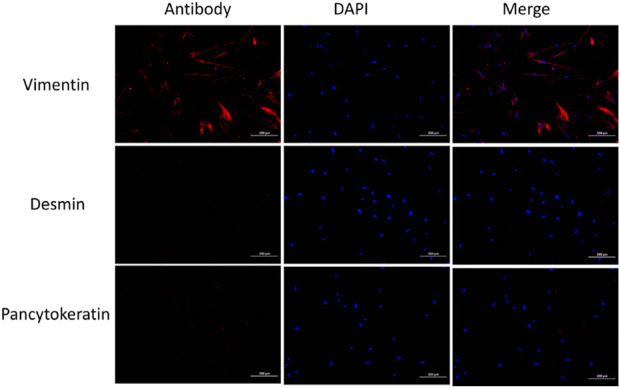 Figure 6
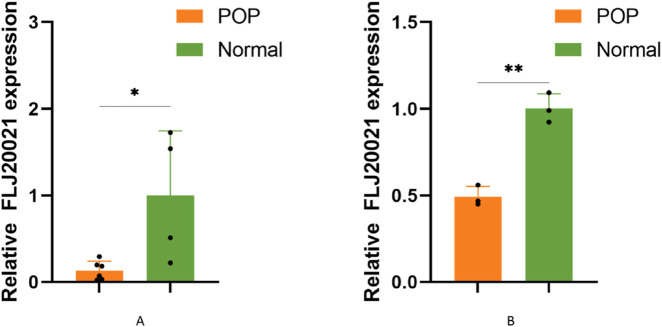 Figure 7
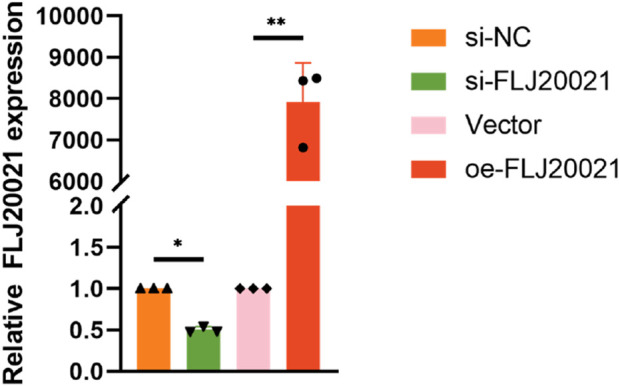 Figure 8
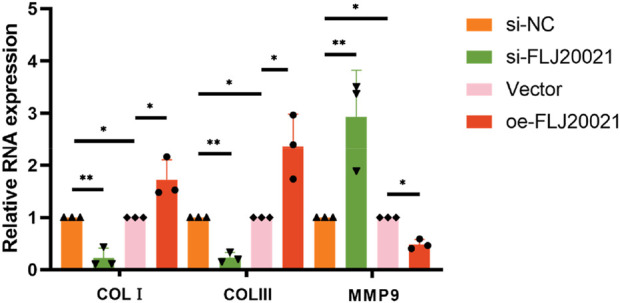 Figure 9
Peer Reviews
No public reviews on file for this paper yet. If you reviewed it on a platform where reviews are public (OpenReview, ICLR, NeurIPS, ICML), you can paste yours below so the community can read it here.
Videos
No videos yet. Explain this paper in a talk, walkthrough, or lecture? Add one.
Taxonomy
TopicsPelvic floor disorders treatments · Pelvic and Acetabular Injuries · Bladder and Urothelial Cancer Treatments