Association between ultrasound-based biliary and parenchymal intrahepatic mass-forming cholangiocarcinoma subtypes and clinicopathological features and survival
Cong-Jian Wen, Hui Liu, Li-Ping Sun, Chong-Ke Zhao, Hao-Hao Yin, Li-Fan Wang, Ming-Rui Zhu, Yi-Kang Sun, Ya-Qin Zhang, Zi-Tong Chen, Xi Wang, Han-Sheng Xia, Hong Han, Hui-Xiong Xu, Bo-Yang Zhou

TL;DR
This study shows that ultrasound can distinguish two types of liver cancer, which have different features and survival rates.
Contribution
A new ultrasound-based classification of intrahepatic cholangiocarcinoma subtypes with distinct clinicopathological and prognostic differences.
Findings
Biliary-type tumors show more aggressive features like higher CEA, microvascular invasion, and worse survival.
Parenchymal-type tumors are less aggressive and have better survival outcomes.
The ultrasound-based classification aligns with MRI-based classifications in some clinicopathological features.
Abstract
Mass-forming intrahepatic cholangiocarcinomas (MF-ICCs) can be classified into ductal and parenchymal types using magnetic resonance imaging (MRI). We aimed to subclassify MF-ICC into biliary and parenchymal types based on ultrasound (US) findings and to investigate the differences in their contrast-enhanced ultrasound (CEUS) patterns, clinicopathologic features, and prognosis. In this study, 141 patients who underwent US with pathologically proven MF-ICC from two hospitals were retrospectively enrolled. MF-ICCs were divided into biliary (bMF-ICCs) and parenchymal MF-ICC (pMF-ICCs) based on the signs of bile duct dilation in US images. Clinicopathological, imaging, and short-term survival data were collected from medical records and compared. Among 141 patients (61.96 ± 10.15 years, 83 men), bMF-ICCs (33/141, 23.4%) showed significantly more CEA ≥ 5 µg/L (42.4% vs 20.2%, p = 0.01),…
Genes, proteins, chemicals, diseases, species, mutations and cell lines named across the full text — each resolved to its canonical identifier and authoritative record.
Click any figure to enlarge with its caption.
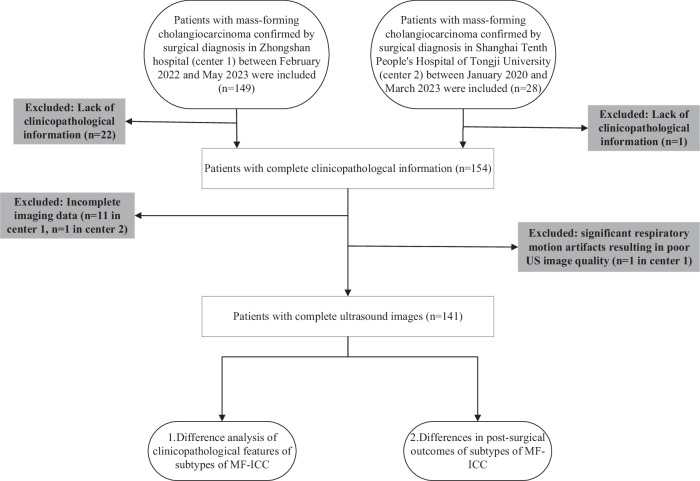 Figure 1
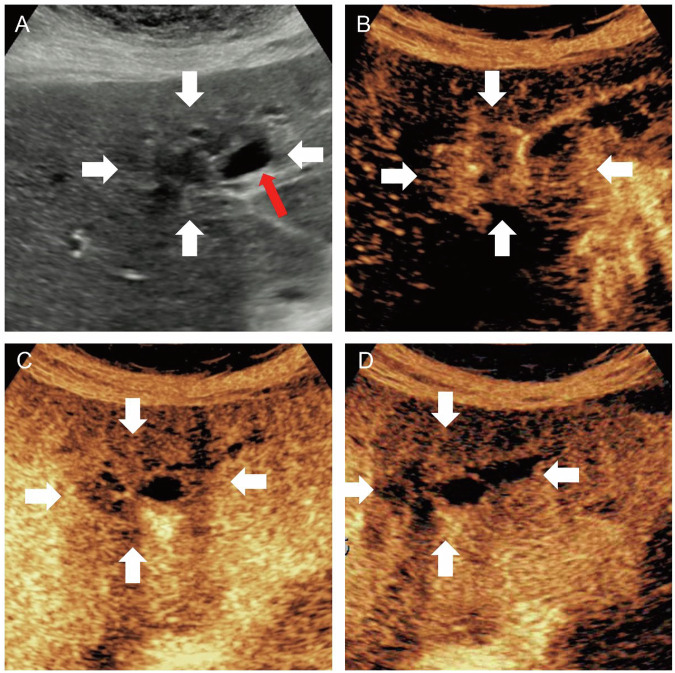 Figure 2
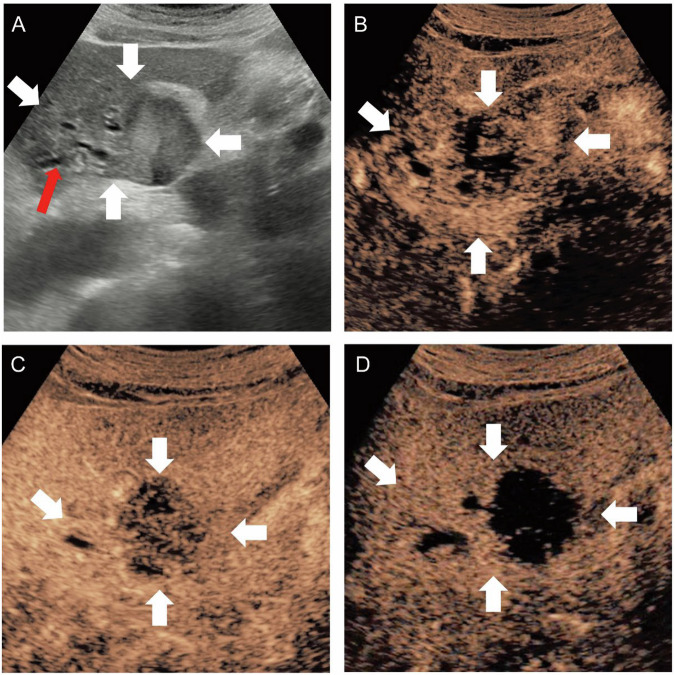 Figure 3
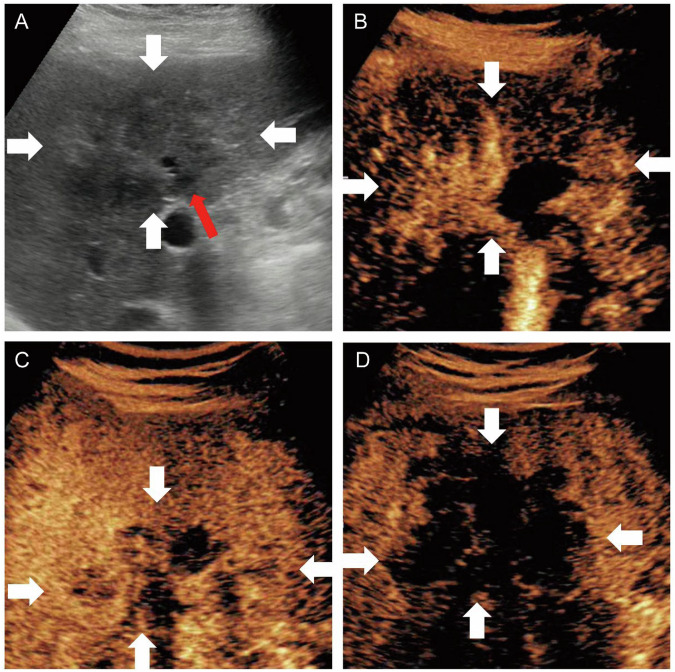 Figure 4
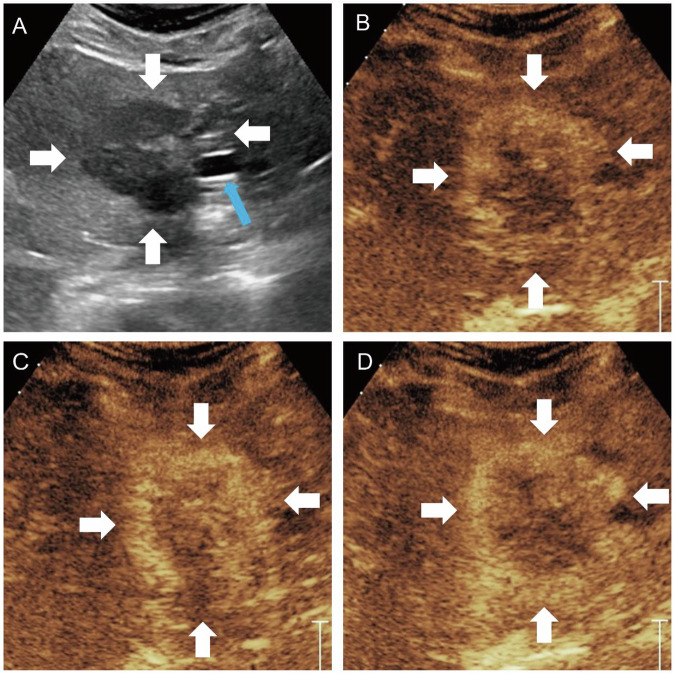 Figure 5
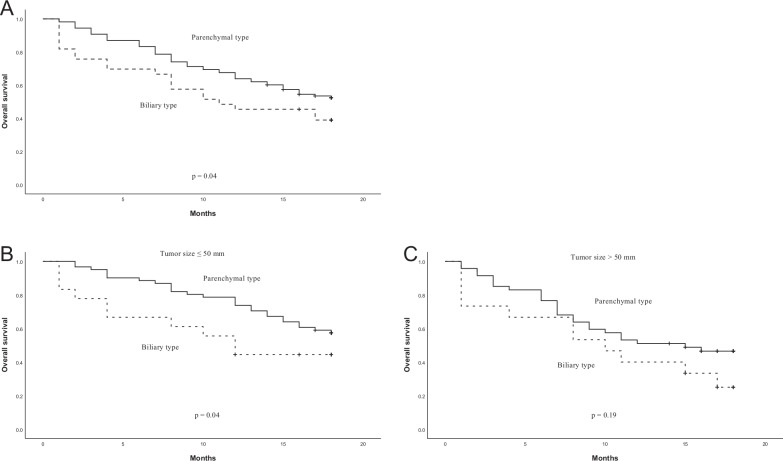 Figure 6
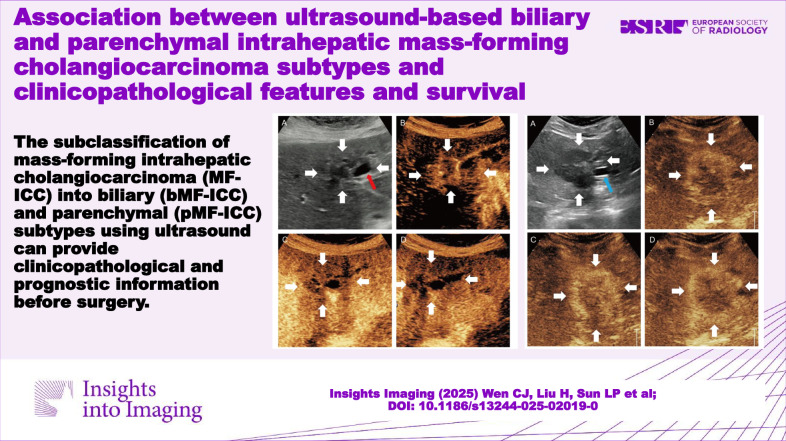 Figure 7
Peer Reviews
No public reviews on file for this paper yet. If you reviewed it on a platform where reviews are public (OpenReview, ICLR, NeurIPS, ICML), you can paste yours below so the community can read it here.
Videos
No videos yet. Explain this paper in a talk, walkthrough, or lecture? Add one.
Taxonomy
TopicsCholangiocarcinoma and Gallbladder Cancer Studies · Gallbladder and Bile Duct Disorders · Pediatric Hepatobiliary Diseases and Treatments