Pelvic nerve endometriosis: MRI features and key findings for surgical decision
Justine Bourg, Edouard Ruaux, Pierre Adrien Bolze, Marie Gavrel, Mathilde Charlot, François Golfier, Isabelle Thomassin-Naggara, Pascal Rousset

TL;DR
This paper highlights how MRI can help identify pelvic nerve endometriosis, which is often missed, to improve surgical planning and prevent nerve damage.
Contribution
The paper introduces a dedicated MRI protocol using 3D T2-weighted sequences for accurate assessment of pelvic nerve endometriosis.
Findings
Pelvic nerve endometriosis is commonly underdiagnosed and can lead to severe pain and nerve damage.
The inferior hypogastric plexus, sacral plexus, sciatic, and pudendal nerves are frequently affected.
A 3D T2-weighted MRI protocol enhances visualization of pelvic nerves for better diagnosis.
Abstract
Endometriosis is a prevalent gynecological disorder in women of reproductive age. It is the leading cause of chronic pelvic pain. While the mechanisms underlying this pain remain elusive, rare cases of pelvic nerve involvement can result in severe, debilitating symptoms, adding complexity to the clinical landscape. Nerve involvement typically results from the direct extension of deep infiltrating endometriosis, though it may also occur in isolation. The nerves most commonly affected include the inferior hypogastric and lumbosacral plexuses, as well as the sciatic, pudendal, obturator, and femoral nerves. Early and accurate diagnosis is essential for the effective management of the pain and the prevention of irreversible nerve damage. Given the limitations of transvaginal ultrasonography in visualizing the lateral compartment, MRI is considered the gold standard for detecting and…
Genes, proteins, chemicals, diseases, species, mutations and cell lines named across the full text — each resolved to its canonical identifier and authoritative record.
Click any figure to enlarge with its caption.
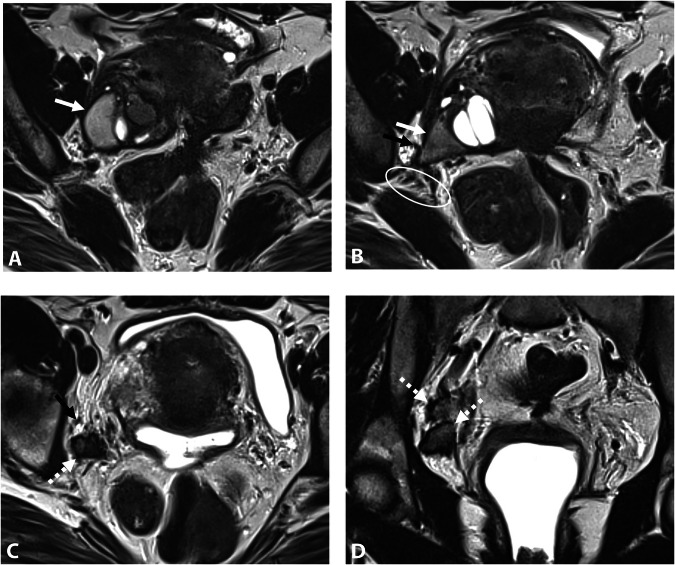 Figure 10
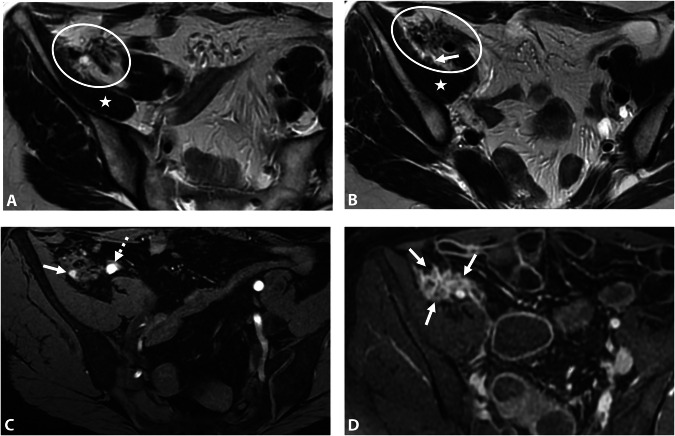 Figure 11
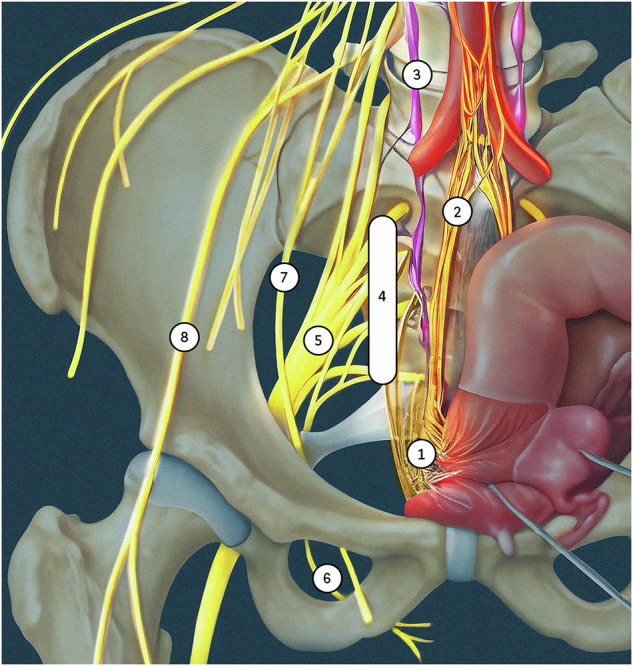 Figure 1
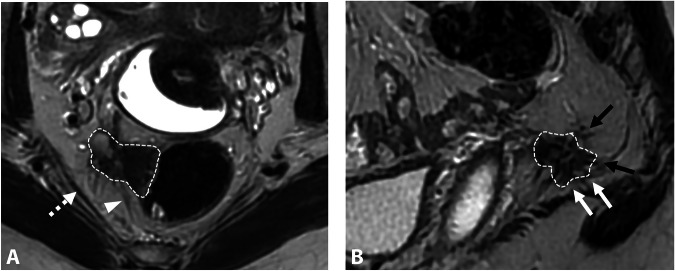 Figure 2
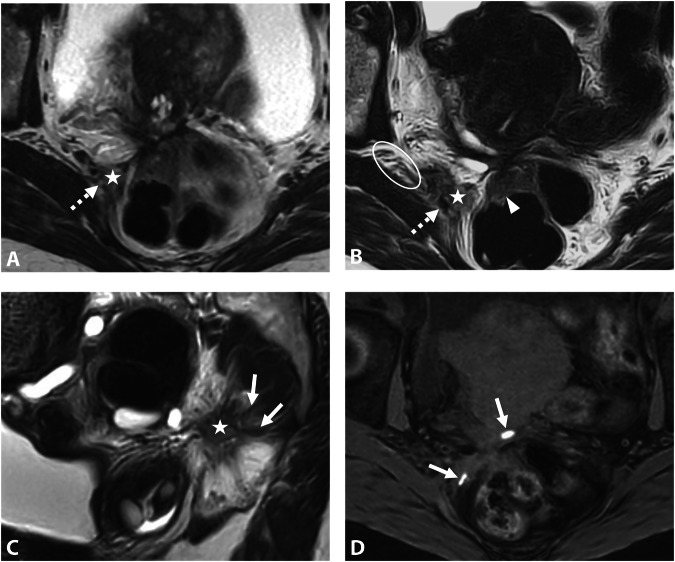 Figure 3
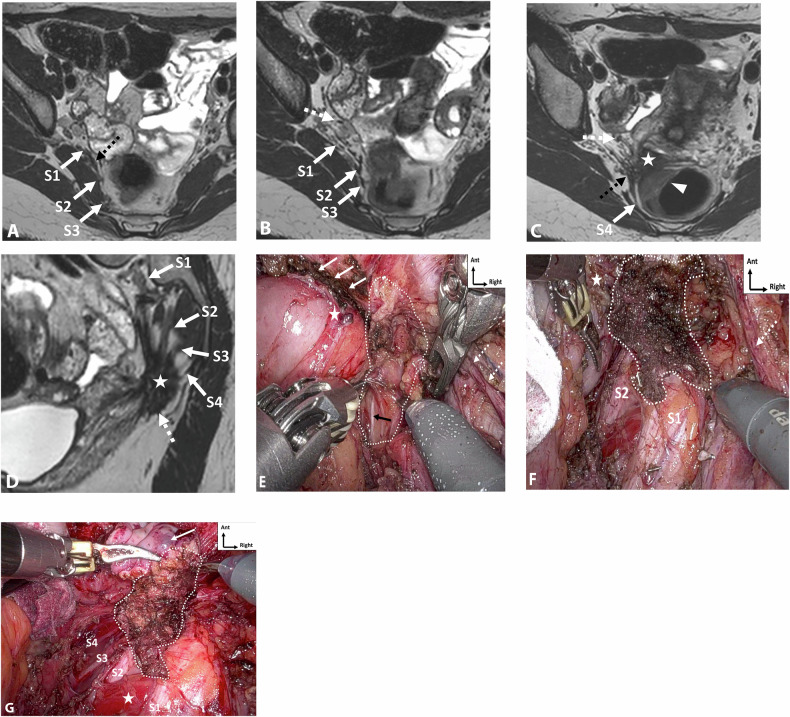 Figure 4
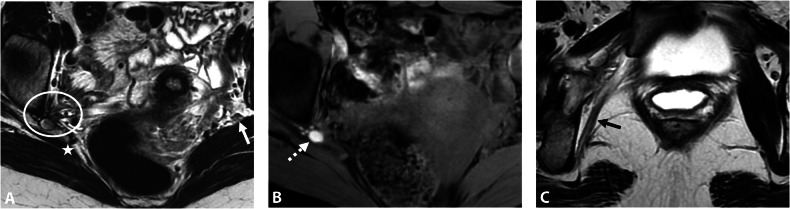 Figure 5
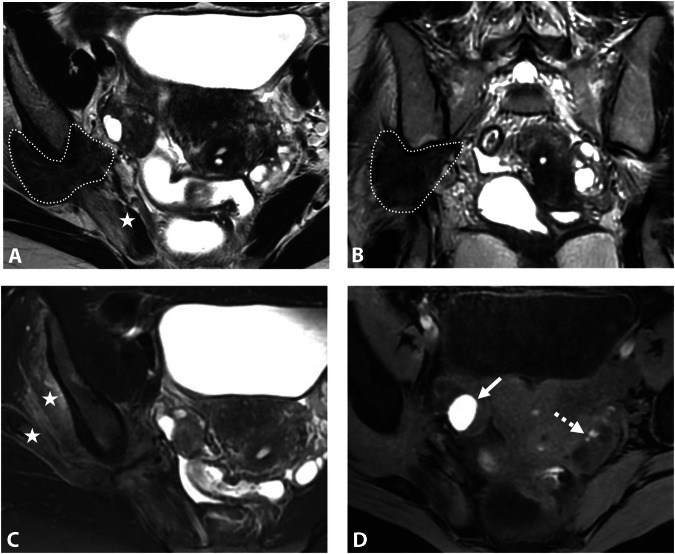 Figure 6
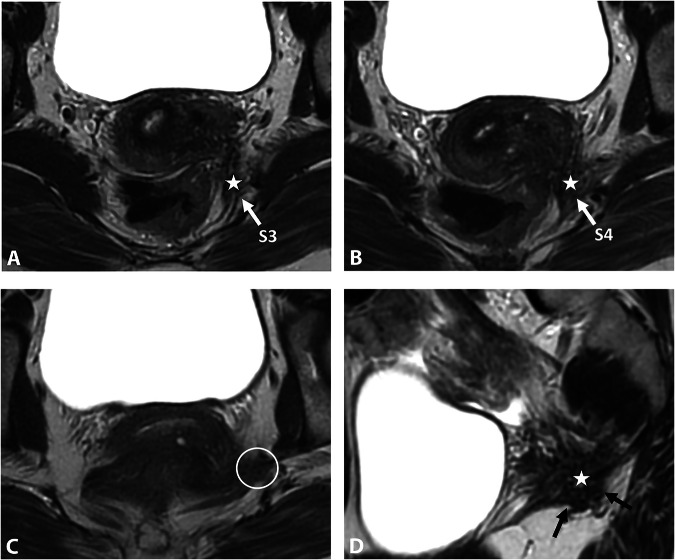 Figure 7
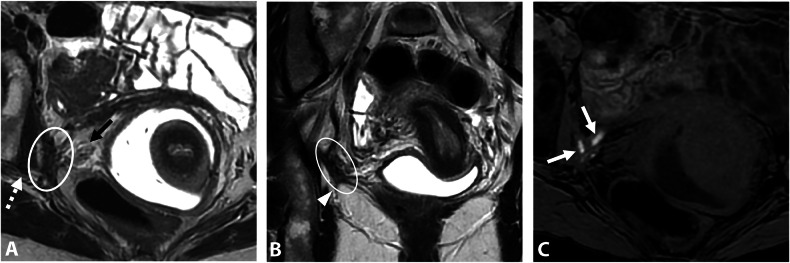 Figure 8
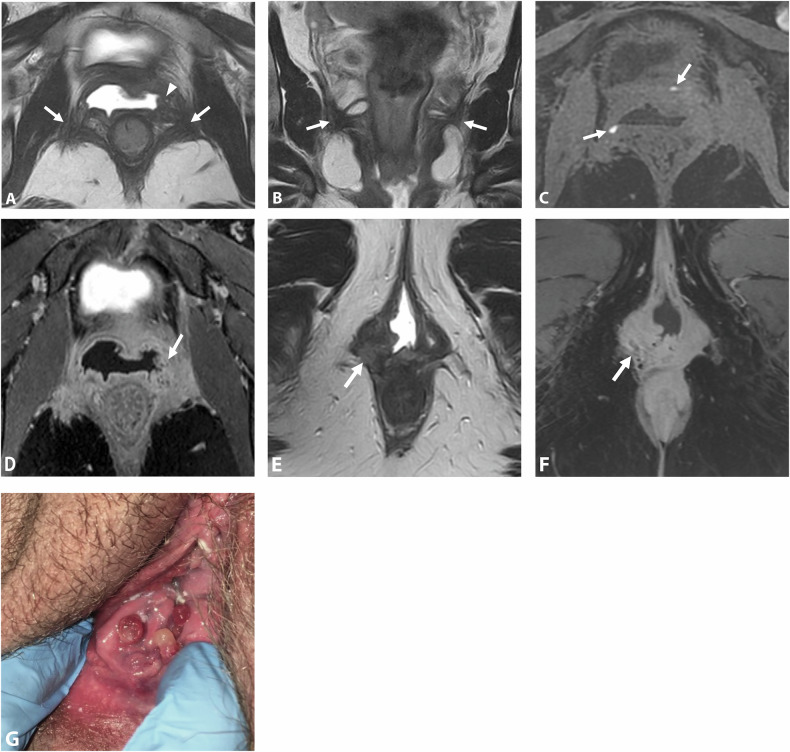 Figure 9
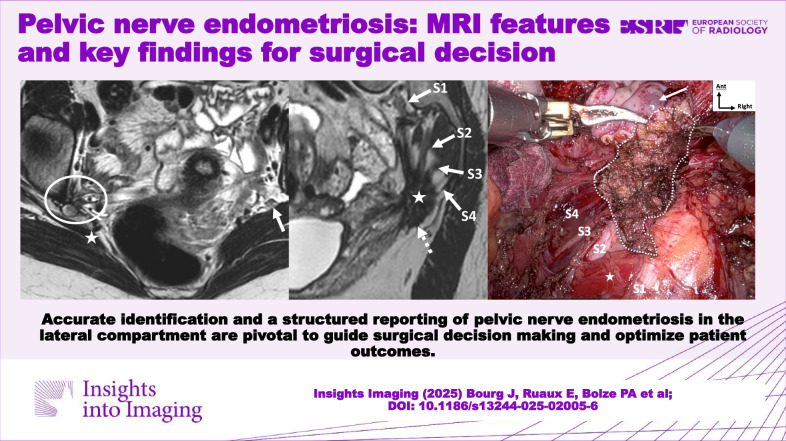 Figure 12
Peer Reviews
No public reviews on file for this paper yet. If you reviewed it on a platform where reviews are public (OpenReview, ICLR, NeurIPS, ICML), you can paste yours below so the community can read it here.
Videos
No videos yet. Explain this paper in a talk, walkthrough, or lecture? Add one.
Taxonomy
TopicsEndometriosis Research and Treatment · Endometrial and Cervical Cancer Treatments · Uterine Myomas and Treatments